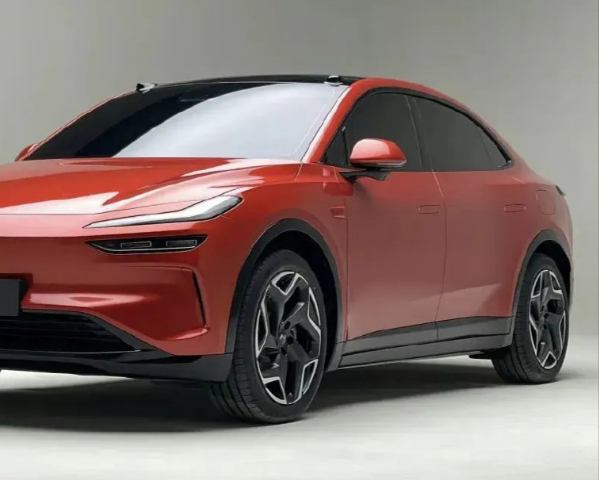
The shift toward electrified transportation is no longer limited to passenger vehicles. Across logistics, last-mile delivery, corporate mobility, and public transportation, businesses are increasingly adopting electric vehicles (EVs) to reduce operating costs, meet sustainability goals, and comply with evolving emissions regulations.
While the long-term benefits are well established, transitioning a commercial fleet involves careful planning. Questions about costs, charging infrastructure, vehicle selection, and operational efficiency remain common among fleet managers.
Below are answers to some of the most frequently asked questions businesses consider before investing in an electric vehicle fleet.
1. Is an electric fleet more cost-effective than a traditional fleet?
For many businesses, the answer is yes—particularly when evaluating ownership over several years instead of focusing only on the initial purchase price.
Although electric vehicles often require a higher upfront investment, their operating expenses are typically much lower. Electric drivetrains contain fewer moving parts than internal combustion engines, reducing routine maintenance requirements such as oil changes, engine servicing, transmission repairs, and exhaust system maintenance.
Electricity prices also tend to be more stable than gasoline or diesel costs, making fuel expenses easier to predict.
When calculating total cost of ownership (TCO), businesses should include vehicle depreciation, maintenance, energy consumption, insurance, downtime, and expected resale value rather than comparing purchase prices alone.
For organizations seeking to control capital expenditure, professionally inspected pre-owned EVs can provide an economical entry point while delivering many of the same operational benefits as new vehicles.
2. What charging infrastructure is required for a commercial EV fleet?
Charging strategy is one of the most important factors in a successful fleet transition.
Most commercial operators combine overnight depot charging with access to public fast-charging stations when additional flexibility is required.
Before deploying multiple vehicles, businesses should evaluate local electrical capacity, available parking space, charging schedules, and anticipated fleet growth.
Installing scalable EV charging infrastructure allows organizations to accommodate future expansion without significant redesign or additional construction costs.
Energy management software can also optimize charging times, helping businesses reduce electricity costs by avoiding peak demand periods.
A carefully planned charging network improves fleet availability while minimizing operational disruptions.
3. Can electric vehicles meet commercial driving requirements?
Modern EVs are capable of supporting a wide range of commercial applications, including urban delivery, municipal services, corporate transportation, airport shuttles, and regional distribution.
Rather than asking whether electric vehicles have enough range, businesses should determine whether individual vehicles match their actual operating requirements.
Analyzing route history through fleet telematics helps identify average daily mileage, idle time, payload requirements, and charging opportunities.
Selecting vehicles based on real operational data ensures the commercial electric fleet delivers maximum efficiency while reducing unnecessary battery capacity and acquisition costs.
For many urban operations, today’s EVs can comfortably complete daily routes using overnight charging alone.
4. Are financial incentives available for fleet electrification?
Many countries continue offering financial programs that encourage businesses to adopt zero-emission transportation.
Depending on local regulations, organizations may qualify for purchase incentives, tax credits, infrastructure grants, accelerated depreciation, or reduced registration fees.
Some utility companies also provide incentives for commercial charging equipment installation or discounted electricity rates during off-peak hours.
Because these programs change frequently, businesses should review both national and regional incentive policies before making purchasing decisions.
Taking advantage of available support can significantly reduce the overall investment required for fleet electrification.
5. How should employees prepare for driving electric vehicles?
Driver education plays an important role in maximizing fleet performance.
Although operating an electric vehicle is generally straightforward, drivers benefit from understanding regenerative braking, charging procedures, energy-efficient driving techniques, and route planning.
Simple habits—such as smooth acceleration, efficient climate control use, and proper charging practices—can improve driving range while extending battery life.
Many organizations include EV familiarization sessions during fleet deployment to help employees adapt quickly while improving confidence behind the wheel.
Training also reduces operational errors that could affect charging efficiency or vehicle availability.
6. Should businesses consider pre-owned electric fleet vehicles?
For many organizations, purchasing used EVs has become an increasingly attractive option.
As the used electric vehicles market continues to expand, businesses can access well-maintained models with verified maintenance records, battery health reports, and significantly lower purchase costs than equivalent new vehicles.
Pre-owned EVs are particularly suitable for companies expanding fleets quickly or launching pilot electrification projects before making larger investments.
When evaluating used commercial vehicles, buyers should request battery State of Health (SOH) reports, service history, charging records, accident history, and comprehensive inspection documentation.
Working with experienced suppliers that specialize in commercial EV sourcing helps reduce purchasing risk while ensuring vehicle quality and regulatory compliance.
Final Thoughts
Transitioning to an electric fleet involves more than replacing conventional vehicles—it requires a strategic approach that considers operating costs, charging infrastructure, driver readiness, and long-term business objectives.
Organizations that carefully evaluate total cost of ownership (TCO), invest in scalable EV charging infrastructure, and select vehicles based on real operational requirements are more likely to achieve successful fleet electrification.
As battery technology continues to improve and the electric vehicle fleet market matures, businesses of all sizes have greater opportunities to reduce operating expenses, improve sustainability performance, and build more resilient transportation operations for the future.