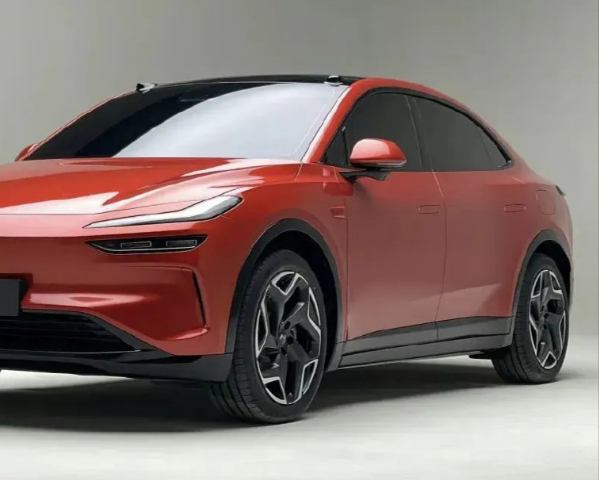
The global automotive industry continues to evolve as electric vehicles (EVs) become a mainstream choice for private owners, fleet operators, and international buyers. Improvements in battery technology, expanding charging infrastructure, and growing consumer confidence have accelerated EV adoption across many markets. At the same time, the rapid growth of new electric vehicle sales has created new opportunities in the pre-owned market, giving buyers access to high-quality vehicles at more competitive prices.
Whether you’re purchasing your first EV or expanding a commercial fleet, understanding today’s electric vehicle market trends can help you make a more informed investment.
The Used EV Market Is Growing Rapidly
One of the most noticeable developments over the past few years is the rapid expansion of the used electric vehicle market. As lease contracts expire and early EV owners upgrade to newer models, a larger number of well-maintained vehicles are entering the secondary market.
This increased inventory provides buyers with more choices across different price ranges, brands, and battery capacities. Popular models that were once difficult to find are now becoming widely available, making electric mobility more affordable for individual consumers and businesses alike.
For international buyers and automotive dealers, the growing supply of pre-owned EVs also creates opportunities to source reliable vehicles with verified maintenance histories and competitive export pricing.
Battery Health Remains the Most Important Buying Factor
When evaluating any pre-owned electric vehicle, battery condition should be the first priority.
Unlike conventional vehicles that rely on complex mechanical engines, an EV’s long-term value depends largely on the condition of its battery pack. Fortunately, battery technology has improved significantly over the past decade.
Modern EV battery health management systems continuously monitor temperature, charging behavior, and cell performance to reduce degradation over time. Many manufacturers also release over-the-air (OTA) software updates that optimize battery efficiency and improve charging performance throughout the vehicle’s lifecycle.
Before purchasing a used EV, buyers should request a comprehensive battery health report whenever possible. Information such as State of Health (SOH), charging history, maintenance records, and software update history provides a clearer picture of the battery’s remaining performance than mileage alone.
A well-maintained battery can continue delivering reliable performance for many years, making battery diagnostics one of the most valuable tools during the purchasing process.
Charging Infrastructure Is Improving Worldwide
The availability of charging facilities continues to influence EV adoption around the world.
Large metropolitan areas have experienced significant investment in public charging networks, including high-speed DC fast chargers capable of restoring substantial driving range within a short period. At the same time, residential charging solutions have become increasingly affordable, allowing many owners to charge overnight at home.
For buyers considering an electric vehicle, evaluating local EV charging infrastructure is just as important as selecting the vehicle itself.
Daily commuting distance, access to home charging, workplace charging availability, and nearby public charging stations all contribute to the overall ownership experience.
Businesses operating electric fleets should also assess charging capacity at distribution centers or company facilities to maximize operational efficiency while reducing energy costs.
Technology Is Becoming a Major Competitive Advantage
Today’s electric vehicles offer far more than zero-emission driving.
Manufacturers now compete through intelligent software, advanced driver assistance systems, connected vehicle services, and continuously updated digital features. Many vehicles receive regular OTA updates that improve navigation, battery management, safety systems, and user experience without requiring dealership visits.
This software-driven approach helps maintain vehicle performance throughout ownership while extending the practical lifespan of many EV models.
For buyers comparing different vehicles, evaluating software support, charging compatibility, and digital features can be just as important as comparing driving range or acceleration.
Sustainability Supports Long-Term Value
Environmental considerations continue to influence purchasing decisions, but sustainability also contributes to long-term economic value.
Compared with conventional gasoline vehicles, electric vehicles generally require fewer routine maintenance procedures because they contain fewer moving mechanical components. There are no engine oil changes, fewer wear items, and simplified powertrain systems, reducing long-term servicing costs.
As electricity generation increasingly incorporates renewable energy sources, the environmental benefits of EV ownership continue to improve over time.
In addition, governments in many regions continue investing in charging infrastructure, clean transportation initiatives, and policies supporting electric mobility, further strengthening the long-term outlook for the industry.
Choosing the Right Used Electric Vehicle
Buying a pre-owned EV involves more than comparing prices.
Prospective buyers should carefully review vehicle history, battery diagnostics, accident records, charging compatibility, warranty coverage, and maintenance documentation before making a final decision.
Working with reputable suppliers that provide transparent inspection reports and verified vehicle information reduces purchasing risk while improving confidence in long-term ownership.
As the electric vehicle market continues to mature, professional inspections and battery assessments are becoming standard practice for both retail customers and commercial importers.
Final Thoughts
The electric vehicle industry is evolving quickly, creating new opportunities for consumers, dealerships, and fleet operators around the world.
The continued expansion of the used electric vehicle market, improvements in EV battery health, stronger EV charging infrastructure, and ongoing software innovation are making electric vehicles more practical and accessible than ever before.
For buyers willing to research vehicle history, evaluate battery condition, and choose trusted suppliers, today’s market offers excellent opportunities to purchase reliable electric vehicles that combine long-term value with modern technology and lower operating costs.