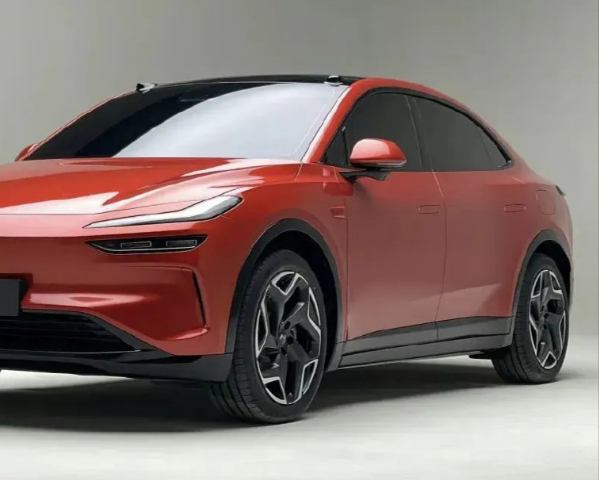
As electric vehicles become a mainstream choice for commercial transportation, procurement strategies are evolving beyond simple price comparisons. Fleet operators, dealerships, logistics providers, and corporate mobility managers are placing greater emphasis on vehicle quality, battery reliability, operational efficiency, and long-term return on investment.
In 2026, successful fleet procurement is driven by standardized evaluation processes rather than one-time purchasing decisions. Businesses that rely on transparent vehicle data, consistent inspection standards, and long-term infrastructure planning are better positioned to reduce operational risks while improving overall fleet performance.
Standardized Battery Assessments Improve Purchasing Confidence
Battery condition remains the most critical factor when evaluating a commercial electric vehicle.
Unlike traditional vehicles, where engine condition is often the primary concern, an EV’s long-term value depends heavily on battery performance. As a result, many professional buyers now require standardized battery State of Health (SoH) reports before approving vehicle purchases.
A comprehensive battery assessment typically includes remaining battery capacity, charging history, cycle count, thermal management performance, and Battery Management System (BMS) diagnostics.
Using standardized battery reports allows procurement teams to compare vehicles from multiple suppliers using consistent criteria rather than relying on estimated performance or incomplete service records.
For businesses purchasing vehicles in larger volumes, this approach reduces uncertainty while creating a stronger foundation for future maintenance planning.
Look Beyond Acquisition Cost
Purchase price represents only one part of the overall investment.
Commercial fleet managers increasingly evaluate Total Cost of Ownership (TCO) by considering depreciation, electricity consumption, maintenance requirements, insurance expenses, software support, and expected resale value throughout the vehicle’s lifecycle.
Electric vehicles often deliver lower operating costs than internal combustion vehicles due to fewer mechanical components and simplified maintenance requirements. However, maximizing these advantages requires selecting vehicles that match operational requirements rather than simply choosing the lowest acquisition cost.
Analyzing total ownership costs before procurement helps businesses improve budget forecasting while supporting long-term financial planning.
Connected Vehicle Data Supports Better Fleet Decisions
Modern electric vehicles generate a significant amount of operational data that can improve fleet management.
Battery status, charging history, energy consumption, driving behavior, maintenance alerts, and system diagnostics can all be integrated into centralized fleet management platforms.
Organizations using connected vehicle data can optimize charging schedules, improve route planning, identify inefficient driving habits, and monitor vehicle health across the entire fleet.
This data-driven approach enables businesses to make informed decisions throughout the ownership cycle instead of reacting only when operational issues occur.
As commercial fleets expand, integrating EV fleet management software with telematics platforms becomes increasingly valuable for improving efficiency and reducing unnecessary operating costs.
Build Procurement Standards That Scale
Fleet growth often introduces additional operational complexity.
Managing vehicles from multiple manufacturers with different charging standards, battery chemistries, software ecosystems, and maintenance procedures can significantly increase administrative workload and servicing costs.
Many organizations simplify long-term operations by establishing standardized procurement requirements before expanding their fleets.
Selecting vehicles with compatible charging systems, similar battery technologies, and consistent software platforms helps reduce technician training requirements while improving maintenance efficiency and parts availability.
Standardization also simplifies future fleet expansion because procurement decisions follow established technical criteria rather than changing with every purchase.
Why Specialized EV Suppliers Add Long-Term Value
Commercial electric vehicle procurement requires expertise that extends well beyond vehicle sourcing.
Experienced suppliers understand battery diagnostics, export compliance, charging compatibility, logistics coordination, software support, and lifecycle management. This knowledge helps buyers avoid inconsistencies that may not be visible during a traditional vehicle inspection.
Businesses sourcing used electric vehicles increasingly work with specialized suppliers capable of providing battery certification, independent inspection reports, maintenance documentation, and transparent vehicle histories.
Professional procurement support reduces purchasing risk while improving confidence in long-term fleet performance.
China’s Growing Role in Commercial EV Supply
China continues to play a significant role in the international electric vehicle supply chain.
With one of the world’s largest EV markets, the country has developed a substantial inventory of high-quality vehicles entering the secondary market. These vehicles offer advanced battery technology, intelligent driver assistance systems, and competitive pricing for international buyers.
Many commercial fleet operators now evaluate Chinese used EVs when expanding operations because they provide a practical balance between acquisition cost and technological capability.
Working with experienced sourcing partners also simplifies export documentation, customs procedures, quality inspections, battery verification, and international logistics, making cross-border procurement more predictable.
Infrastructure Planning Completes the Procurement Strategy
Vehicle procurement should always be aligned with charging infrastructure.
Fleet managers should evaluate daily driving distances, depot layouts, vehicle utilization rates, and local electricity pricing before selecting charging equipment.
Many businesses achieve the best results through EV fleet charging solutions that combine overnight Level 2 charging with strategically deployed DC fast chargers for higher-utilization routes.
Intelligent charging management systems further improve efficiency by balancing electrical loads, reducing peak demand charges, and protecting long-term battery performance.
Planning vehicles and charging infrastructure together helps ensure that fleet expansion remains both operationally efficient and financially sustainable.
Looking Ahead
Commercial fleet electrification is becoming increasingly dependent on standardized procurement, reliable vehicle data, and long-term operational planning.
Organizations that prioritize battery verification, lifecycle cost analysis, connected fleet management, and infrastructure compatibility will be better equipped to scale efficiently while reducing operational risk.
Whether you’re expanding an existing fleet or launching a new electrification strategy, sourcing used EVs from China through a trusted supplier provides access to verified inventory, transparent battery documentation, and professional export support designed for today’s global commercial vehicle market.