As China’s automotive export industry continues to expand, international buyers are increasingly looking to source high-quality used vehicles directly from the Chinese market. Whether you are a dealership purchasing inventory for resale or an individual importing a vehicle for personal use, understanding the export process can significantly reduce risks and improve purchasing outcomes.
This FAQ addresses the most common questions regarding vehicle sourcing, inspections, shipping, customs clearance, and post-sale support for both electric vehicles (EVs) and traditional internal combustion engine (ICE) vehicles.
Q1: What types of vehicles are available for export?
Our export portfolio includes a broad range of vehicles designed to meet the needs of different markets and infrastructure environments.
Electric Vehicles (EVs) and Extended-Range EVs (EREVs)
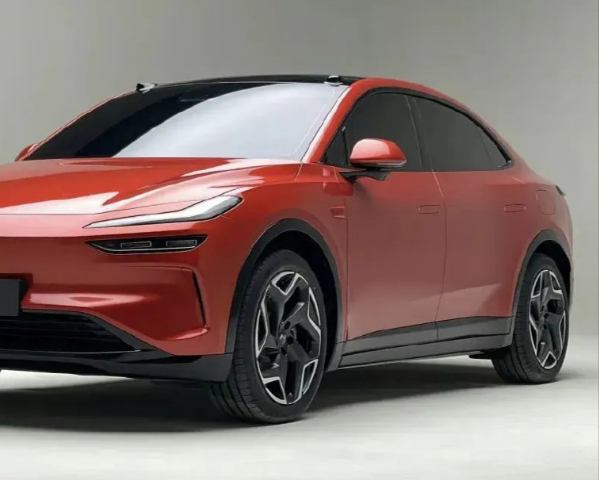
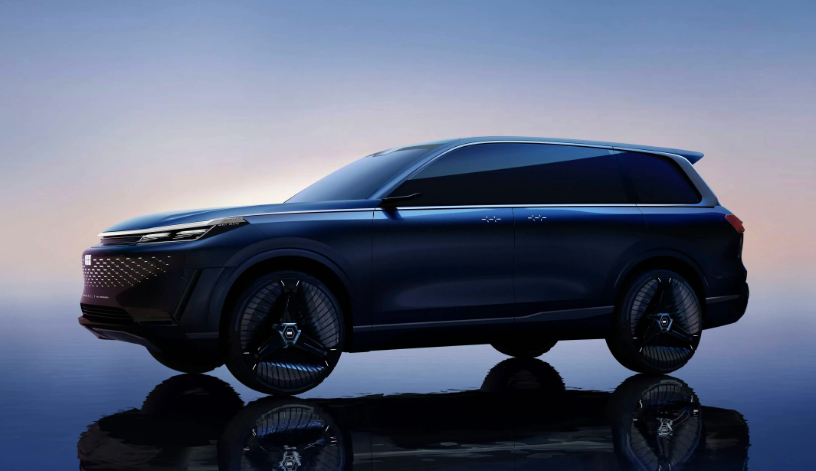
We source popular Chinese new energy vehicles, including premium electric SUVs and intelligent mobility platforms. Models such as the NIO ES6 and Li Auto L9 are frequently requested due to their advanced driver-assistance systems, battery technology, and connected smart-cabin ecosystems.
ICE and Hybrid Vehicles
Despite the rapid growth of EV adoption, demand for gasoline-powered and hybrid vehicles remains strong in many regions. We regularly export reliable models such as the Geely Monjaro and Toyota Highlander Hybrid, which offer proven durability, global serviceability, and strong resale value.
For buyers comparing different powertrain options, understanding Chinese used vehicle exports is essential when evaluating long-term ownership costs and local market demand.
Q2: Do you work with both dealerships and individual buyers?
Yes. Our sourcing and export services are structured to support both commercial and private vehicle purchases.
For Dealerships and Fleet Buyers (B2B)
We provide scalable procurement solutions for importers, distributors, and automotive retailers. Services include:
- Multi-unit vehicle sourcing
- Containerized and Ro-Ro shipping arrangements
- Export documentation management
- VIN verification and inspection reports
- Bulk purchasing support
Many international dealers rely on used car sourcing from China to diversify inventory and improve profit margins.
For Individual Buyers (B2C)
Private customers receive the same level of inspection and documentation support. We assist with:
- Vehicle selection
- Pre-export inspections
- Shipping coordination
- Customs documentation
- Import compliance guidance
This ensures a transparent purchasing experience from vehicle selection to final delivery.
Q3: How do you verify vehicle quality before export?
Quality control is one of the most important aspects of cross-border vehicle procurement.
Every vehicle undergoes a detailed inspection process before export approval.
EV Battery Inspection
For electric vehicles, battery performance is evaluated using manufacturer-level diagnostics. Our inspection process includes:
- Verification of Battery State of Health (SOH)
- Cell voltage consistency testing
- Battery Management System (BMS) diagnostics
- Thermal management system evaluation
- Charging performance checks
Battery health remains one of the most important indicators of long-term EV ownership costs.
ICE Vehicle Inspection
For gasoline and hybrid vehicles, inspections focus on:
- Engine performance
- Transmission operation
- Structural integrity
- Paint thickness analysis
- Accident history indicators
- Emissions system functionality
Detailed reports are generated to help buyers make informed decisions before shipment.
Q4: What shipping methods are available?
International vehicle transportation generally utilizes two primary shipping methods.
Roll-on/Roll-off (Ro-Ro)
Ro-Ro shipping is often the most cost-effective solution for vehicle transportation.
Benefits include:
- Lower freight costs
- Reduced handling requirements
- Efficient loading and unloading
- Suitable for large vehicle volumes
Many dealerships importing multiple units prefer Ro-Ro vehicle shipping because of its scalability.
Container Shipping
For destinations with limited Ro-Ro access or buyers seeking additional protection, containerized shipping is available.
Advantages include:
- Enclosed transportation
- Increased protection from environmental exposure
- Flexible routing options
- Cost sharing through multi-unit loading
Depending on vehicle dimensions, multiple vehicles can often be loaded into a single 40HQ container to optimize transportation costs.
Q5: What documents are provided for customs clearance?
Proper documentation is essential for successful vehicle importation.
Before export, each vehicle completes China’s deregistration and export approval procedures.
The documentation package typically includes:
- Commercial Invoice
- Packing List
- Bill of Lading (B/L)
- Certificate of Origin (when applicable)
- Vehicle technical specification sheet
- VIN verification documentation
These records assist customs brokers and local authorities in processing vehicle registration and calculating applicable import duties.
Understanding vehicle import documentation requirements before purchase can significantly reduce delays at destination ports.
Q6: How are maintenance, spare parts, and software updates handled after export?
After-sales support is one of the most frequently asked questions among overseas buyers.
ICE Vehicles
Many exported models utilize globally recognized platforms and suppliers, making parts sourcing relatively straightforward.
Vehicles such as the Geely Monjaro share components with internationally supported architectures, while models like the Toyota Highlander benefit from extensive global parts availability.
Electric Vehicles
For EVs, maintenance requirements are generally lower due to fewer moving components.
Common replacement parts such as:
- Brake systems
- Suspension components
- Interior electronics
- Lighting systems
can often be sourced through international distribution channels.
Vehicles designed with modern connectivity features can continue receiving OTA updates after export, helping maintain software functionality and user experience.
For buyers evaluating future ownership expenses, understanding EV battery health inspection and software support policies is critical.
Q7: What factors should buyers consider before importing a used vehicle from China?
Before making a purchasing decision, buyers should evaluate several key factors:
- Local import regulations
- Customs duties and taxes
- Vehicle compliance requirements
- Availability of spare parts
- Fuel or charging infrastructure
- Expected resale value
- Total Cost of Ownership (TCO)
Conducting proper due diligence before purchase helps minimize risk and maximize long-term value.
Strategic Vehicle Sourcing for Global Buyers
Importing a used vehicle from China has become significantly more transparent and efficient than in previous years. Through standardized inspections, verified vehicle histories, and professional export logistics, buyers can access a wide range of EVs, hybrids, and ICE vehicles while maintaining confidence in the procurement process.
Whether your goal is expanding dealership inventory, sourcing fleet vehicles, or importing a single unit for personal use, a data-driven purchasing strategy remains the most effective approach to achieving long-term value and operational reliability.