For international vehicle importers, focusing solely on the purchase price is one of the most common mistakes when sourcing used vehicles from China. In reality, long-term profitability depends on a much broader financial picture that includes depreciation, maintenance costs, energy consumption, logistics expenses, import duties, and future resale value.
Whether the buyer is a dealership managing inventory turnover or an individual seeking an affordable vehicle for personal use, understanding Total Cost of Ownership (TCO) has become the foundation of successful purchasing decisions in 2026.
As China’s used vehicle export industry continues to mature, historical resale data now provides increasingly accurate depreciation forecasts for both New Energy Vehicles (NEVs) and traditional Internal Combustion Engine (ICE) vehicles. These trends offer valuable insights into which models deliver the strongest long-term value.
Understanding TCO in the Chinese Used Vehicle Export Market
When evaluating imported vehicles, the acquisition price represents only a portion of the overall investment.
A comprehensive TCO analysis should include:
- Initial vehicle purchase cost
- International shipping expenses
- Import duties and local taxes
- Insurance costs
- Fuel or electricity consumption
- Maintenance and repair expenses
- Parts availability
- Future resale value
For many buyers, a vehicle with a higher upfront purchase price may ultimately prove more economical if it experiences slower depreciation and lower operating costs over time.
This is particularly relevant when comparing premium Chinese EVs with conventional gasoline-powered SUVs.
EV Depreciation Trends: Battery Health Matters More Than Mileage
Unlike traditional vehicles, modern electric vehicle depreciation is heavily influenced by battery condition and software support rather than engine wear.
For international buyers, understanding Battery State of Health (SOH) has become just as important as checking mileage.
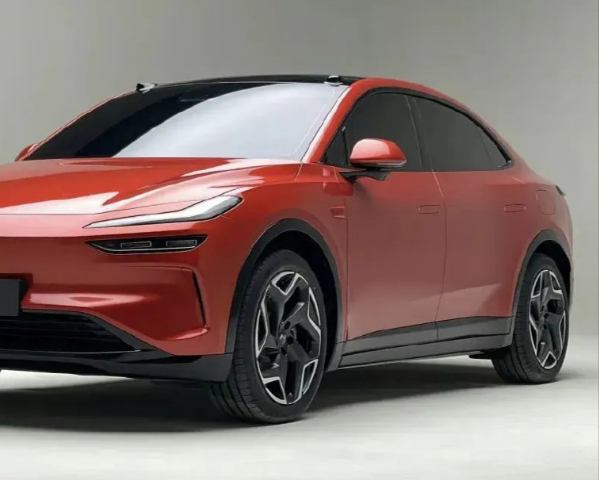
NIO ES6: Strong Residual Value Through Battery and Software Longevity
The NIO ES6 has established itself as one of the most sought-after premium Chinese EVs in export markets.
One of the key reasons is its relatively stable battery performance. Export inspection reports from low-mileage vehicles equipped with both 75 kWh and 100 kWh battery packs consistently show strong battery retention, with many units maintaining over 90% battery capacity after several years of use.
Beyond battery performance, NIO benefits from continuous software development. Regular OTA updates help preserve functionality and user experience long after the vehicle leaves the factory.
As a result, the ES6 often experiences slower technology-related depreciation than many earlier-generation EVs.
For dealerships, this translates into stronger resale demand. For private buyers, it reduces concerns regarding rapid technological obsolescence.
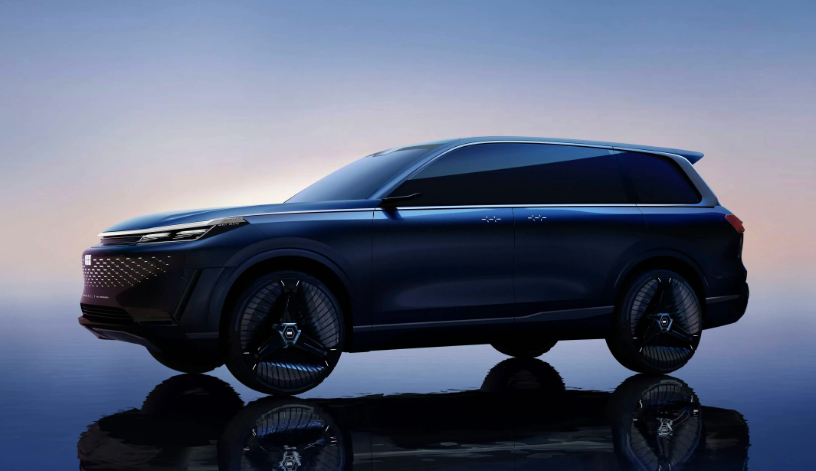
Li Auto L9: A Different Depreciation Model
The Li Auto L9 represents one of the most successful examples of the Extended-Range Electric Vehicle (EREV) concept.
Unlike conventional hybrids, the gasoline engine functions primarily as a generator rather than directly driving the wheels. This operating strategy reduces engine stress and mechanical wear compared with traditional ICE vehicles.
At the same time, the large battery pack handles most daily commuting requirements.
This combination creates a balanced ownership profile:
- Reduced fuel consumption
- Lower engine wear
- Extended battery utilization
- Strong resale appeal in markets with limited charging infrastructure
Because range anxiety remains a concern in many developing markets, the L9 continues to command premium resale values compared with many fully electric competitors.
For importers, this creates an attractive opportunity within the growing used EV export from China sector.
ICE Vehicles Continue to Deliver Predictable Long-Term Value
While EV exports are expanding rapidly, conventional gasoline and hybrid vehicles still account for a significant share of global demand.
Their appeal remains straightforward:
- Proven reliability
- Familiar servicing requirements
- Extensive parts networks
- No charging infrastructure dependency
For many regions, these factors continue to support stronger market acceptance.
Geely Monjaro: One of the Best Value Opportunities
Among Chinese-built ICE SUVs, the Geely Monjaro offers an interesting case study in depreciation arbitrage.
Built on Volvo-derived CMA architecture, the vehicle combines modern engineering, premium features, and strong performance characteristics.
However, domestic market conditions in China often cause local-brand vehicles to depreciate more rapidly during their first ownership cycle compared with international joint-venture brands.
This creates opportunities for overseas buyers.
Importers can acquire relatively new Monjaro units at highly competitive prices while still benefiting from premium specifications, turbocharged performance, and globally recognized component suppliers.
The availability of reliable driveline components contributes positively to vehicle depreciation analysis, making the Monjaro increasingly attractive in emerging export destinations.
Toyota Highlander: The Benchmark for Resale Stability
Few vehicles demonstrate long-term value retention as consistently as the Toyota Highlander.
Chinese-manufactured hybrid Highlanders continue to maintain strong demand across international markets due to their reputation for reliability and fuel efficiency.
Although acquisition costs are typically higher than comparable domestic Chinese SUVs, long-term ownership economics often favor the Highlander.
Key advantages include:
- Excellent fuel economy
- Proven hybrid technology
- Extensive global parts support
- Strong secondary market demand
For dealership operators, Highlanders frequently function as highly liquid inventory assets because they appeal to a broad range of buyers.
This makes them particularly attractive when evaluating used car resale value and long-term fleet profitability.
Shipping Costs, Import Duties, and Landed Cost Calculations
Even the best depreciation profile can be undermined by inaccurate import cost calculations.
Before finalizing a purchase, buyers should evaluate:
- Ro-Ro shipping rates
- Container shipping costs
- Marine cargo insurance
- Customs clearance fees
- Destination-country tariffs
- Registration expenses
- Local compliance modifications
The final landed cost often varies significantly depending on local regulations.
Many countries continue to offer incentives for low-emission vehicle imports, which can improve the economics of importing EVs such as the ES6 or L9.
Conversely, some markets impose higher taxes on larger-displacement gasoline vehicles, making accurate vehicle import cost calculation essential before procurement.
Choosing the Right Vehicle Based on Regional Demand
There is no universally superior vehicle category.
Successful importers typically align purchasing strategies with local market conditions.
In regions where charging infrastructure is expanding rapidly, premium EVs may generate higher profit margins and stronger consumer interest.
In markets where fuel-powered vehicles remain dominant, reliable ICE models often deliver faster inventory turnover and lower ownership risk.
The most effective sourcing strategies combine:
- Accurate depreciation forecasting
- Verified vehicle history reports
- Battery health inspections
- Logistics cost analysis
- Market-specific demand evaluation
By integrating these factors into procurement decisions, both dealerships and individual buyers can significantly improve long-term returns when sourcing vehicles from China.
Final Thoughts
The Chinese used vehicle export market in 2026 offers opportunities across both EV and ICE segments. However, the most successful purchases are rarely determined by the lowest price alone.
Buyers who prioritize Total Cost of Ownership, residual value performance, battery health, and regional market demand are more likely to achieve sustainable returns on their investment.
Whether importing a technology-focused EV such as the NIO ES6, an extended-range platform like the Li Auto L9, or proven ICE models such as the Geely Monjaro and Toyota Highlander, a data-driven sourcing approach remains the most reliable path toward maximizing long-term value.