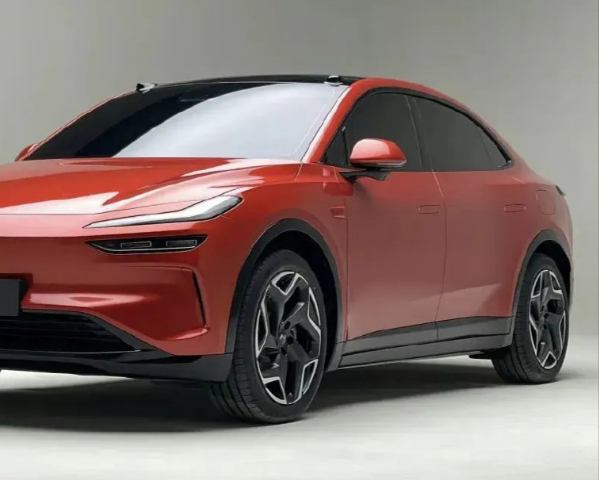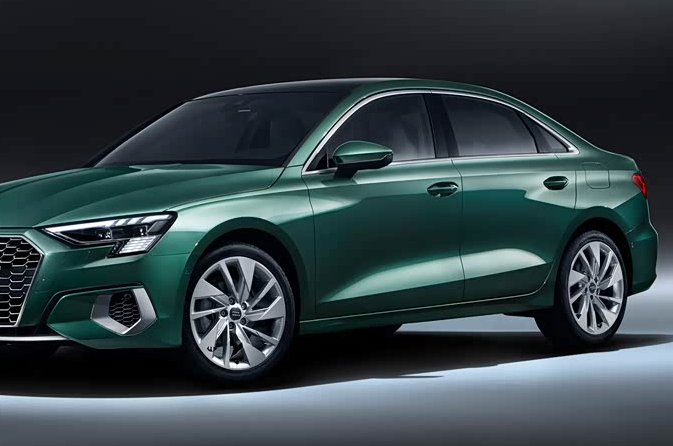
As global vehicle procurement strategies continue to evolve, China has become one of the most influential sources of export-ready pre-owned vehicles. The rapid growth of both electric and conventional vehicle production over the past decade has created a large inventory of high-quality used cars suitable for international markets.
For dealerships, fleet operators, importers, and private buyers, understanding the technical differences between used electric vehicles and traditional fuel-powered vehicles is essential before making purchasing decisions. Factors such as regulatory compliance, operating costs, maintenance requirements, and infrastructure readiness all influence which vehicle category offers the best long-term value.
This article examines the major technical and commercial trends shaping the Chinese used vehicle export sector in 2026.
Growing Demand for Both EV and ICE Vehicle Exports
Despite the global attention surrounding new energy vehicles, the international used vehicle market remains divided between electric and internal combustion technologies.
Countries with expanding charging infrastructure are increasingly importing Used EV Export inventory from China, while regions with limited charging networks continue to rely heavily on conventional gasoline-powered vehicles. As a result, exporters are maintaining balanced inventories that include both electric and internal combustion models.
For many overseas buyers, vehicle selection is no longer driven solely by purchase price. Instead, factors such as energy efficiency, maintenance accessibility, parts availability, and local regulations play a critical role in procurement decisions.
Technical Assessment of Used Electric Vehicles
Unlike conventional vehicles, evaluating a used EV requires extensive analysis of battery systems, power electronics, and software functionality.
Battery State of Health (SOH)
The battery pack represents the most valuable component of any electric vehicle. Consequently, Battery State of Health (SOH) has become one of the most important indicators used during international transactions.
Professional exporters typically provide diagnostic reports that measure remaining battery capacity, charging performance, temperature history, and degradation trends. Buyers increasingly request verified SOH documentation before confirming vehicle purchases.
Battery chemistry also influences long-term performance. Lithium Iron Phosphate (LFP) batteries often demonstrate different aging characteristics compared to Nickel Manganese Cobalt (NMC) battery systems, making chemistry-specific evaluation an important part of vehicle selection.
Thermal Management Performance
Vehicle performance and battery durability are closely linked to effective thermal regulation.
During pre-export inspections, technicians commonly assess cooling circuits, heat pump systems, coolant flow stability, and battery temperature consistency under load conditions. These inspections become particularly important for vehicles destined for regions with extreme seasonal temperatures.
Software Localization and Connectivity
Modern EVs increasingly depend on integrated software ecosystems. Buyers should verify whether navigation systems, telematics modules, mobile applications, and infotainment platforms can function properly outside China.
Many export-oriented vehicles undergo software adaptation or firmware localization to improve usability in overseas markets. Verifying OTA Update Compatibility before shipment helps avoid post-delivery connectivity issues.
Technical Assessment of Used ICE Vehicles
Although electric vehicles continue to expand globally, traditional internal combustion vehicles remain highly competitive in many export destinations due to their mature infrastructure and established maintenance networks.
Powertrain Condition Evaluation
A comprehensive Vehicle Inspection Report for an ICE vehicle typically includes engine diagnostics, transmission performance analysis, compression testing, and drivetrain health assessments.
These evaluations help determine the remaining service life of critical mechanical components and provide buyers with greater confidence regarding long-term reliability.
Many Chinese-manufactured ICE vehicles utilize widely adopted engine platforms, making maintenance and repair procedures familiar to mechanics across numerous international markets.
Emission Compliance Verification
Emission standards remain one of the most important regulatory considerations during vehicle importation.
Prior to export, inspectors commonly evaluate catalytic converter efficiency, oxygen sensor performance, exhaust system integrity, and onboard diagnostic data to verify compliance with local regulations.
Depending on the destination market, buyers may require vehicles that satisfy Euro 5, Euro 6, or equivalent national emissions standards.
Spare Parts Availability
The expansion of Chinese automotive brands into international markets has significantly improved access to replacement components.
Today, many importers consider OEM Auto Parts availability a key purchasing factor. Reliable access to both genuine and aftermarket components helps reduce maintenance costs and minimizes vehicle downtime for fleet operators and individual owners.
The Importance of Independent Vehicle Inspections
Successful international vehicle sourcing depends heavily on transparent quality verification.
Before export approval can be issued, vehicles must complete deregistration procedures and pass various compliance checks. To further reduce risk, many buyers request independent third-party inspections.
These assessments often include:
- Paint thickness measurements
- Chassis structure analysis
- Suspension system evaluation
- Diagnostic Trouble Code (DTC) scans
- Accident history verification
- Electrical system testing
Comprehensive inspection reports provide objective data that supports informed purchasing decisions and reduces uncertainty during cross-border transactions.
Export Logistics and International Delivery
Vehicle transportation methods vary according to shipment volume and buyer requirements.
Large-scale dealership purchases frequently utilize Roll-on/Roll-off (RoRo) shipping due to its efficiency and cost advantages. Smaller orders and individual purchases often rely on containerized transport for enhanced protection during transit.
Regardless of shipping method, proper documentation, customs compliance, and pre-shipment verification remain critical elements of the export process.
Outlook for the Chinese Used Vehicle Export Industry
The Chinese used vehicle export market continues to expand as international buyers seek cost-effective, technologically advanced transportation solutions. Both electric and internal combustion vehicles offer distinct advantages depending on local infrastructure, operating conditions, and regulatory requirements.
For importers evaluating inventory opportunities in 2026, successful sourcing depends on access to accurate technical data, verified inspection records, transparent vehicle histories, and dependable export support services.
Whether procuring electric vehicles with advanced battery technologies or conventional models with proven mechanical reliability, informed decision-making remains the foundation of successful international vehicle acquisition.