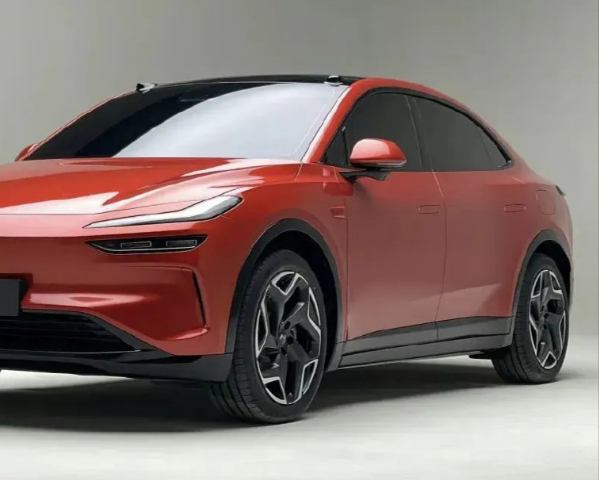
The global automotive trade is entering a new phase of development. As China continues to expand its role as a major vehicle manufacturing and export center, international demand for both used electric vehicles (EVs) and internal combustion engine (ICE) vehicles has increased significantly. For importers, dealerships, fleet operators, and private buyers, access to China’s extensive used vehicle inventory creates substantial procurement opportunities.
However, the success of cross-border vehicle sourcing no longer depends solely on finding attractive purchase prices. The real challenge lies in accurately evaluating vehicle condition, reducing information asymmetry, and calculating long-term ownership costs before committing capital.
In today’s export market, professional buyers increasingly rely on standardized inspection systems and data-driven procurement methodologies to ensure predictable outcomes and minimize operational risk.
Why Standardized Vehicle Grading Matters
Traditional used car transactions often relied heavily on visual assessments and subjective judgments. While this approach may be acceptable in local retail markets, it is inadequate for international procurement, where buyers frequently purchase vehicles without physically inspecting them.
A structured inspection framework provides transparency and consistency throughout the transaction process. More importantly, it creates a common technical language between buyers, exporters, logistics providers, and regulatory authorities.
Because electric vehicles and conventional fuel-powered vehicles have fundamentally different architectures, inspection standards must be tailored accordingly.
Inspection Framework for Used Electric Vehicles
For electric vehicles, cosmetic condition tells only part of the story. The most valuable and expensive component is the battery system, making electrical diagnostics the foundation of any professional evaluation.
Battery Management System (BMS) Verification
The first step involves extracting operational data directly from the vehicle’s Battery Management System.
A professional inspection should verify:
- Actual battery cycle count
- Remaining battery capacity
- Charging history
- Historical fault codes
- Battery State of Health (SOH)
Recommended Hyperlink Keyword: Battery State of Health (SOH)
Unlike dashboard displays, which may present simplified information, BMS data provides a direct assessment of battery condition and long-term usability.
Cell Voltage Consistency Analysis
Battery performance depends on the balance between individual cells.
Inspectors should conduct a detailed cell voltage analysis to determine whether significant variances exist across the battery pack.
Recommended Hyperlink Keyword: Cell Voltage Delta Analysis
Large voltage deviations often indicate uneven degradation, which can lead to:
- Reduced driving range
- Slower charging performance
- Premature battery aging
- Increased risk of future repairs
For international buyers, this analysis is often one of the most important indicators of future operating costs.
Thermal Management System Inspection
Modern EV batteries require carefully controlled operating temperatures.
Inspection procedures should include examination of:
- Cooling lines
- Thermal pumps
- Battery coolant systems
- Heat exchangers
- Leak detection points
Failures within the thermal management system can negatively affect charging efficiency, battery lifespan, and overall vehicle safety.
Inspection Framework for Internal Combustion Engine Vehicles
While EV adoption continues to accelerate globally, many regions still rely heavily on conventional fuel-powered vehicles due to infrastructure limitations and local operating conditions.
As a result, demand for quality used ICE vehicles remains strong across numerous export markets.
Powertrain Diagnostics
A comprehensive ICE inspection should include:
- Engine compression testing
- Fuel system evaluation
- Transmission diagnostics
- Lubrication system assessment
- Exhaust system inspection
These tests provide valuable insight into overall drivetrain condition and remaining service life.
Emissions Compliance Verification
One frequently overlooked aspect of international vehicle sourcing is emissions regulation compliance.
Vehicles must satisfy the environmental standards of the destination market before import approval can be granted.
Depending on the jurisdiction, requirements may include compliance with:
- Euro 4
- Euro 5
- Euro 6
- Equivalent national emissions regulations
Failure to verify compliance before shipment can result in costly customs delays or import restrictions.
Structural Integrity Assessment
Accident history and structural condition significantly influence vehicle value and safety.
Professional inspectors commonly utilize:
- Paint thickness gauges
- Chassis measurement systems
- Laser alignment equipment
- Undercarriage inspections
These procedures help identify hidden repairs, frame damage, or previous collision-related structural modifications.
Total Cost of Ownership: EV vs. ICE Vehicles
Many first-time importers focus exclusively on purchase price when comparing vehicles.
In reality, acquisition cost represents only one component of the overall ownership equation.
A complete Total Cost of Ownership (TCO) model should account for:
- Vehicle purchase price
- Shipping expenses
- Import duties and taxes
- Fuel or energy costs
- Maintenance requirements
- Depreciation projections
- Resale value
Recommended Hyperlink Keyword: Total Cost of Ownership (TCO)
Acquisition and Logistics Costs
Electric vehicles often carry slightly higher acquisition costs and require specialized transportation procedures due to lithium-ion battery regulations.
Battery-powered vehicles are classified as Class 9 hazardous goods under international maritime shipping guidelines, requiring additional documentation and handling protocols.
By comparison, conventional ICE vehicles generally benefit from simpler transportation procedures and lower freight complexity.
Operational Expenses
The long-term economics frequently favor EV ownership.
Compared with ICE vehicles, EVs eliminate many routine maintenance items, including:
- Engine oil changes
- Spark plug replacement
- Exhaust repairs
- Timing belt servicing
- Fuel injection maintenance
For commercial fleets operating high annual mileage, these savings can significantly reduce operating expenses over a multi-year ownership period.
Energy Cost Predictability
Electricity pricing tends to be more stable than global fuel markets, allowing fleet managers to forecast operating costs with greater accuracy.
In regions where renewable energy infrastructure is well developed, EV ownership often delivers substantial long-term financial advantages.
Conversely, markets with limited charging infrastructure, unreliable power grids, or challenging terrain may continue to favor well-maintained ICE vehicles.
Reducing Information Asymmetry in International Procurement
One of the largest risks in cross-border vehicle sourcing is purchasing based solely on photographs or incomplete dealer descriptions.
Professional exporters increasingly address this issue through comprehensive documentation and third-party verification.
Every vehicle should undergo an Independent Vehicle Inspection before export.
Recommended Hyperlink Keyword: Independent Vehicle Inspection
A complete inspection package typically includes:
- High-resolution vehicle photographs
- Chassis condition reports
- OBD-II diagnostic scans
- Verified mileage records
- Service history documentation
- Export eligibility verification
Recommended Hyperlink Keyword: OBD-II Diagnostic Report
This level of transparency significantly reduces uncertainty and improves buyer confidence.
Export Compliance and Documentation
Technical inspections alone are insufficient if regulatory requirements are not satisfied.
Before shipment, exporters must complete:
- Vehicle deregistration
- Ownership verification
- Export declarations
- Customs documentation
- Compliance certifications
Recommended Hyperlink Keyword: Vehicle Export Compliance
Ensuring regulatory accuracy before shipment helps prevent customs delays, storage penalties, and unexpected import complications.
The Rise of Consolidated Sourcing Platforms
As international procurement becomes more sophisticated, buyers are increasingly moving away from fragmented dealer networks and toward specialized export platforms.
A centralized sourcing model allows buyers to access:
- Verified inventory
- Standardized inspections
- Software localization services
- Export compliance management
- International logistics coordination
Platforms such as UsedEVChina simplify the procurement process by consolidating multiple stages of the supply chain into a single operational workflow.
Whether sourcing electric vehicles for urban delivery fleets or purchasing reliable ICE vehicles for retail resale, buyers benefit from improved transparency, reduced transaction risk, and more predictable project execution.
Conclusion
China’s used vehicle export industry has evolved into a highly technical and increasingly standardized global marketplace.
Successful procurement now depends on objective diagnostics, rigorous inspection procedures, accurate TCO modeling, and complete supply chain transparency. Buyers who adopt structured evaluation frameworks rather than relying on subjective assessments are better positioned to identify quality assets, manage risk, and maximize long-term value.
As international demand for affordable and technologically advanced vehicles continues to expand, standardized inspection protocols and data-driven sourcing strategies will remain essential components of successful cross-border automotive trade.