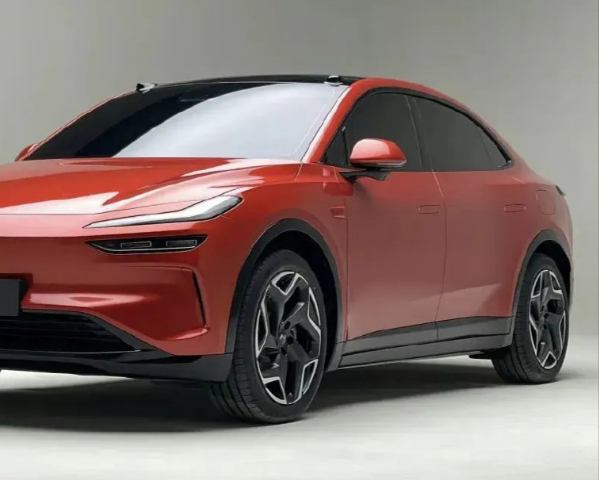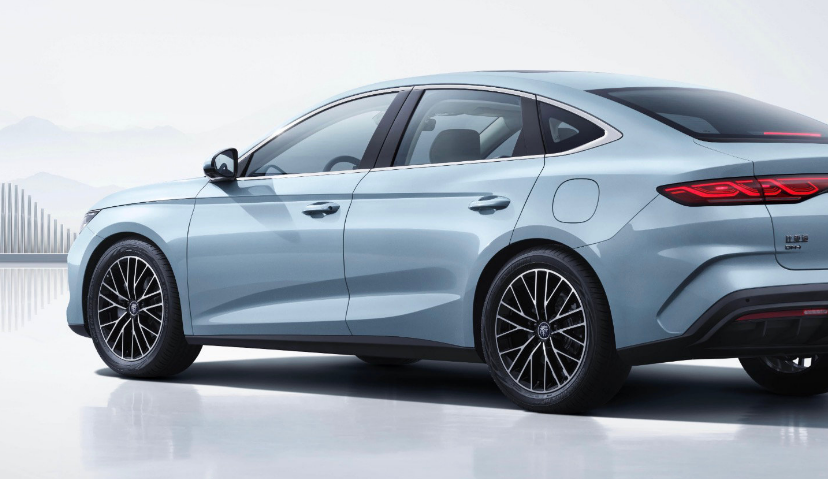
As international demand for Chinese vehicles continues to grow, buyers increasingly seek transparent information about sourcing, inspections, export procedures, and logistics. Whether you are an automotive dealer, fleet operator, vehicle importer, or individual consumer, understanding the complete procurement process is essential for reducing risk and ensuring a successful transaction.
This FAQ provides detailed answers to the most common questions regarding cross-border vehicle procurement from China, covering both electric vehicles (EVs) and internal combustion engine (ICE) vehicles.
General Procurement & Eligibility
Q1: What types of vehicles can be sourced and exported from China?
China’s vehicle export market now includes a wide range of automotive assets, including:
- Used electric vehicles (EVs)
- Plug-in hybrid electric vehicles (PHEVs)
- Extended-range electric vehicles (EREVs)
- Internal combustion engine (ICE) vehicles
- Commercial vehicles and fleet units
- Luxury and premium vehicle segments
Through specialized sourcing channels such as UsedEVChina, buyers can access inventory from multiple domestic markets, allowing both businesses and private customers to identify vehicles that match their operational requirements and budgets.
Whether you require a single vehicle for personal use or a large-scale fleet acquisition, the sourcing and export process follows the same professional inspection and compliance standards.
Q2: Is there a minimum order quantity (MOQ)?
Yes. The minimum order quantity is one vehicle.
Many international buyers begin with a pilot purchase to evaluate vehicle quality, shipping efficiency, and supplier reliability before scaling to larger orders.
While bulk purchases can reduce logistics costs through container optimization, individual buyers receive the same level of procurement support, inspection verification, and export administration.
Vehicle Inspection & Quality Assurance
Q3: How is vehicle quality verified before export?
A professional export transaction should never rely solely on photographs or seller descriptions.
Every vehicle should undergo a comprehensive inspection process before shipment.
For electric vehicles, inspections typically include:
- Battery Management System (BMS) diagnostics
- Battery State of Health (SOH) verification
- Charging system evaluation
- Cell voltage consistency analysis
- High-voltage system inspection
- Cooling system assessment
Recommended Hyperlink Keyword: Battery State of Health (SOH)
For internal combustion engine vehicles, inspectors generally evaluate:
- Engine compression
- Transmission condition
- Fuel system operation
- Emissions equipment functionality
- Cooling system performance
In addition, all vehicles should receive:
- Chassis inspections
- Paint thickness measurements
- Undercarriage evaluations
- Structural integrity verification
Buyers are typically provided with detailed inspection reports, diagnostic records, and high-resolution images before any final payment is completed.
Q4: How do you verify that mileage records are accurate?
Mileage fraud remains a concern in the global used vehicle industry.
To reduce this risk, professional exporters compare information from multiple sources, including:
- Dashboard odometer readings
- Engine Control Unit (ECU) records
- Vehicle telematics systems
- Service histories
- Insurance records
- Maintenance databases
Any significant discrepancy between these data sources may indicate tampering and generally results in the vehicle being removed from export inventory.
Software Localization & Charging Compatibility
Q5: How are Chinese charging standards adapted for international markets?
Most domestically sold Chinese EVs utilize the GB/T Charging Standard, which differs from charging systems used in other regions.
Recommended Hyperlink Keyword: GB/T Charging Standard
Depending on the destination country, vehicles may require compatibility solutions for:
- CCS2 (Europe and Middle East)
- CCS1 (North America)
- NACS (North America)
- Other regional charging systems
Solutions may include:
- Certified charging adapters
- Communication protocol integration
- Charge port modifications
- Permanent hardware retrofits
For commercial fleet projects, customized charging solutions can often be arranged before shipment.
Q6: Can the vehicle interface be converted to English?
Yes.
Most modern vehicles support multilingual operating systems and can be configured for international users.
Common software preparation services include:
- English-language interface setup
- Navigation language adjustment
- Infotainment localization
- Connectivity configuration
- Telematics optimization
Certain China-specific applications may be removed or disabled because they depend on domestic internet services unavailable outside China.
Shipping, Logistics & Export Compliance
Q7: How are vehicles transported internationally?
The shipping method depends on order volume, destination, and project requirements.
Container Shipping
For most individual buyers and smaller commercial orders, container transport is the preferred option.
Recommended Hyperlink Keyword: Containerized Vehicle Shipping
Benefits include:
- Enhanced vehicle protection
- Flexible scheduling
- Reduced exposure to weather conditions
- Greater cargo security
A standard 40HQ container typically accommodates three to four passenger vehicles.
Ro-Ro Shipping (Roll-on/Roll-off)
Ro-Ro transportation is commonly used for larger fleet exports.
Advantages include:
- Efficient loading and unloading
- Lower handling requirements
- Competitive pricing for high-volume shipments
Transit times vary by destination but generally range between:
- 15–25 days for Central Asia and parts of the Middle East
- 30–45 days for Europe, Africa, and the Americas
Important Considerations for EV Shipping
Electric vehicles contain lithium-ion battery systems classified as Class 9 hazardous materials under international maritime regulations.
As a result, exporters must comply with strict requirements regarding:
- Hazardous goods documentation
- Battery charge levels
- Shipping declarations
- Maritime safety standards
Professional exporters typically manage these procedures on behalf of buyers.
Export Documentation & Regulatory Compliance
Q8: Who handles Chinese export procedures?
Exporting a used vehicle from China requires multiple administrative procedures before shipment can occur.
These generally include:
- Vehicle deregistration
- VIN cancellation procedures
- Export licensing
- Customs declarations
- Inspection documentation
- Export clearance certificates
Recommended Hyperlink Keyword: Vehicle Export Compliance
Professional export providers typically manage the entire origin-country process, allowing buyers to focus primarily on import registration and customs clearance within their own jurisdictions.
Pricing, Quotations & Procurement Support
Q9: How can I request a quotation?
Obtaining an accurate quotation begins with providing clear procurement requirements.
The following information is usually required:
- Vehicle make and model
- EV or ICE preference
- Quantity required
- Target market
- Destination port
- Special technical requirements
Recommended Hyperlink Keyword: Cross-Border Vehicle Procurement
Providing detailed specifications enables sourcing teams to identify suitable inventory, calculate logistics costs, and prepare accurate project quotations more efficiently.
Final Thoughts
Cross-border vehicle procurement has become a highly structured and increasingly transparent industry. Successful buyers focus on verified technical data, independent inspections, regulatory compliance, and total ownership costs rather than purchase price alone.
By partnering with experienced export specialists and following standardized evaluation procedures, both enterprise buyers and individual consumers can confidently access China’s expanding inventory of used electric and fuel-powered vehicles while minimizing risk throughout the procurement process.