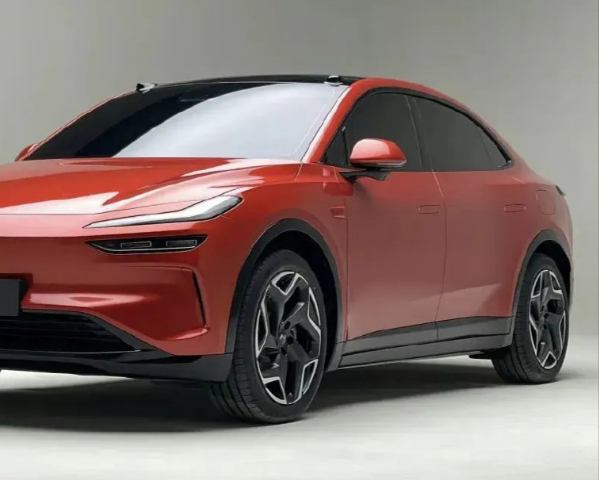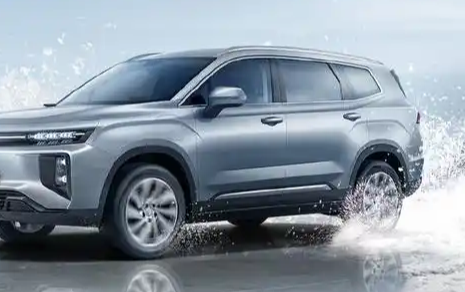
As global vehicle supply chains continue to evolve, China has emerged as one of the world’s most influential exporters of pre-owned vehicles. The rapid growth of New Energy Vehicles (NEVs), combined with accelerated domestic replacement cycles, has created a substantial inventory of high-quality used electric and fuel-powered vehicles available for international markets.
For automotive dealerships, fleet operators, vehicle importers, and individual buyers, Chinese used vehicles present a compelling opportunity to acquire modern technology at significantly reduced acquisition costs. However, evaluating these assets requires a fundamentally different approach compared with purchasing vehicles through traditional domestic channels.
Understanding battery longevity, depreciation behavior, export compliance requirements, and charging compatibility has become essential for making informed procurement decisions.
Battery Health: The Most Important Indicator of EV Value
When assessing a used internal combustion engine (ICE) vehicle, buyers typically focus on engine condition, transmission wear, and maintenance records. For electric vehicles, the primary determinant of long-term value is battery condition.
The most reliable measurement is Battery State of Health (SOH), which reflects the remaining usable capacity of the battery compared to its original factory specification.
Professional exporters generally retrieve SOH data directly from the Battery Management System (BMS), providing a far more accurate assessment than mileage alone.
Recommended Hyperlink Keyword: Battery State of Health (SOH)
A vehicle with relatively high mileage but excellent battery health may represent a better investment than a lower-mileage vehicle with significant battery degradation.
LFP vs. NCM Battery Technologies
China’s EV market is largely dominated by two battery chemistries:
| Battery Type | Typical Cycle Life | Thermal Stability | Long-Term Depreciation |
|---|---|---|---|
| Lithium Iron Phosphate (LFP) | 2,500–3,000 cycles | High | Slower |
| Nickel Cobalt Manganese (NCM) | 1,000–1,500 cycles | Moderate | Faster |
LFP batteries have gained widespread adoption because of their durability, safety characteristics, and lower degradation rates. Industry testing has shown that many LFP-equipped vehicles retain over 90% battery capacity after several years of normal usage.
For overseas buyers focused on minimizing long-term operational risks, LFP-equipped vehicles frequently offer superior value retention and reduced maintenance uncertainty.
Recommended Hyperlink Keyword: LFP Battery Technology
Understanding EV Depreciation Curves
One of the most misunderstood aspects of used EV procurement is depreciation.
Unlike conventional vehicles, where depreciation is closely tied to mechanical wear, electric vehicle depreciation is heavily influenced by technological innovation. New battery designs, software updates, and extended driving ranges introduced in newer models can significantly impact resale values of previous generations.
As a result, the steepest depreciation typically occurs within the first 24 to 36 months after initial registration.
The Optimal Procurement Window
For professional buyers, the most attractive acquisition period often falls between two and three years of vehicle age.
During this stage:
- Most initial depreciation has already occurred.
- Battery degradation remains relatively limited.
- Vehicle software and safety systems remain modern.
- Purchase prices become significantly more competitive.
This creates an advantageous Total Cost of Ownership (TCO) profile for fleet operators and automotive importers.
Recommended Hyperlink Keyword: Total Cost of Ownership (TCO)
After the third year, depreciation rates generally stabilize, allowing buyers to benefit from predictable residual values while maintaining access to modern vehicle technology.
Maintenance Economics and Operational Savings
Although international shipping and customs procedures introduce upfront expenses, used EVs often generate substantial long-term operational savings.
Compared with traditional ICE vehicles, electric vehicles eliminate or significantly reduce:
- Engine oil changes
- Transmission servicing
- Exhaust system repairs
- Timing belt replacement
- Fuel system maintenance
For commercial fleets operating over multi-year periods, these reduced maintenance requirements can offset a meaningful portion of import and logistics costs.
This is particularly relevant in emerging markets where fuel prices and maintenance expenses continue to increase.
Charging Infrastructure Compatibility for Export Markets
One of the most important technical considerations when exporting Chinese EVs involves charging compatibility.
Most vehicles originally produced for the domestic Chinese market utilize the GB/T charging standard. International markets generally operate different charging systems:
| Region | Charging Standard |
|---|---|
| Europe | CCS2 |
| Middle East | CCS2 |
| North America | NACS / CCS1 |
| Australia | CCS2 |
Before export, buyers should verify whether the vehicle will require:
- Certified charging adapters
- Charging port conversion
- Communication protocol updates
- Fast-charging compatibility verification
Recommended Hyperlink Keyword: EV Charging Compatibility
Particular attention should be given to DC fast-charging equipment, where thermal monitoring and voltage management are critical for safety and reliability.
Software Localization and Telematics Adaptation
Modern Chinese vehicles rely heavily on connected software ecosystems.
Many domestically delivered vehicles include:
- Chinese-language infotainment systems
- Local navigation services
- Region-specific applications
- China-based cloud connectivity
For international deployment, professional exporters typically perform software localization procedures that include:
- English-language interface installation
- Removal of region-locked applications
- Telematics configuration updates
- Connectivity optimization for destination markets
While these modifications do not affect core vehicle functionality, they significantly improve usability and ownership experience.
Recommended Hyperlink Keyword: Vehicle Software Localization
Export Compliance and International Logistics
Cross-border vehicle procurement involves far more than transportation alone.
Electric vehicles contain lithium-ion battery packs classified as Class 9 hazardous materials under international shipping regulations. As a result, exporters must comply with strict documentation and handling requirements.
Vehicle Deregistration and Export Licensing
China’s used vehicle export sector operates under a regulated licensing framework.
Before shipment, vehicles typically require:
- VIN deregistration
- Export declaration processing
- Customs clearance documentation
- Ownership verification
- Export certification
Failure to complete these procedures correctly can result in customs delays, storage charges, or shipment rejection.
For this reason, many overseas buyers work directly with licensed export partners that specialize in automotive trade compliance.
Recommended Hyperlink Keyword: Used Vehicle Export License
Choosing the Appropriate Shipping Method
The two most common international transportation solutions include:
Ro-Ro Shipping (Roll-on/Roll-off)
Advantages:
- Cost-efficient for large-volume fleet orders
- Simplified loading procedures
- Suitable for commercial procurement programs
Limitations:
- Port scheduling constraints
- Battery charge restrictions
- Potential port congestion risks
Container Shipping
Advantages:
- Greater physical protection
- Flexible scheduling
- Ideal for smaller orders
- Enhanced security during transit
A standard 40HQ container typically accommodates three to four passenger vehicles, depending on dimensions and loading configuration.
Building a Reliable Procurement Framework
Successful vehicle sourcing depends on rigorous inspection protocols rather than cosmetic appearance alone.
Professional buyers should prioritize:
- Battery SOH reports
- Cell voltage consistency analysis
- Chassis inspections
- Cooling system evaluation
- Suspension examination
- Accident history verification
- Diagnostic system scans
Recommended Hyperlink Keyword: Pre-Shipment Vehicle Inspection
Comprehensive inspection reports reduce uncertainty and help establish transparent vehicle valuations before export commitments are made.
Conclusion
The international market for Chinese used vehicles has evolved from a niche trading segment into a structured and increasingly professional global industry.
Whether sourcing electric vehicles for commercial fleets or importing fuel-powered vehicles for retail distribution, buyers who focus on objective technical data, battery health metrics, depreciation timing, and regulatory compliance can secure significant value advantages.
As battery technology matures and global demand for affordable mobility solutions continues to grow, data-driven procurement strategies will remain the foundation of successful cross-border vehicle sourcing.