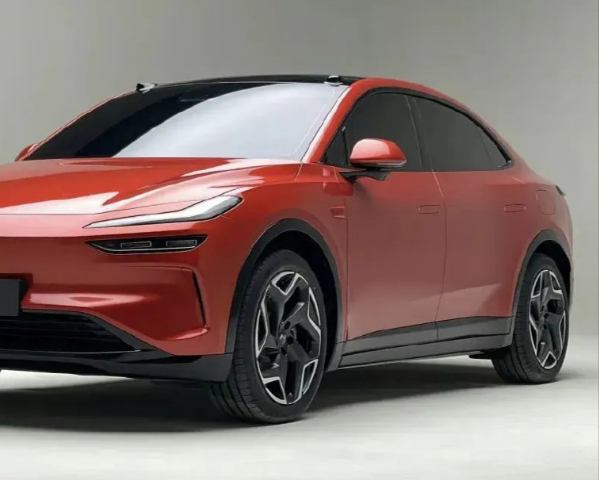
The international automotive trade is evolving rapidly in 2026, especially as demand for electric vehicles continues to grow across Europe, Southeast Asia, the Middle East, Latin America, and Africa. For dealerships, fleet operators, and automotive wholesalers, sourcing vehicles from China has become an effective way to expand inventory while controlling procurement costs. At the same time, buyers are becoming more selective about where they purchase vehicles.
Rather than relying on informal peer-to-peer transactions, more businesses are choosing professional export companies that offer standardized inspections, verified documentation, and comprehensive logistics support. This shift reflects a broader industry trend: successful international procurement depends on transparency, technical expertise, and supply chain reliability.
Why Professional Exporters Offer Greater Security
Buying vehicles directly from individual sellers may appear cost-effective, but it often introduces unnecessary risks. Vehicle history may be incomplete, battery condition difficult to verify, and export documentation inconsistent or inaccurate.
Professional used car export services reduce these uncertainties through structured procurement procedures. Every vehicle is typically inspected before shipment, with detailed reports covering battery performance, mechanical condition, software functionality, and structural integrity.
This level of verification helps buyers make informed purchasing decisions while reducing the likelihood of unexpected maintenance costs after import.
For commercial buyers managing large inventories, standardized quality control is essential for protecting long-term profitability.
Independent Vehicle Inspections Build Buyer Confidence
The most valuable aspect of professional sourcing is objective technical verification.
A comprehensive multi-point vehicle inspection evaluates critical systems including battery health, braking performance, suspension, steering, charging equipment, electronic controls, and accident history. Inspection reports are often supported by high-resolution photographs and diagnostic data that accurately document vehicle condition before export.
Unlike peer-to-peer transactions, professional exporters follow consistent inspection standards for every vehicle. This creates greater transparency throughout the purchasing process and helps dealerships confidently market imported vehicles to their own customers.
Independent inspections also reduce warranty disputes and improve customer satisfaction after resale.
Efficient Logistics Save Time and Reduce Costs
International vehicle procurement involves much more than selecting inventory. Export documentation, customs procedures, ocean freight, container loading, and battery transportation regulations all require specialized knowledge.
Experienced exporters coordinate international vehicle logistics from the moment vehicles are selected until they arrive at the destination port. This includes preparing export documents, arranging customs clearance, optimizing container loading, and working with trusted shipping partners.
Efficient logistics reduce shipping delays, improve inventory planning, and allow businesses to maintain more predictable supply chains.
For dealerships operating in competitive markets, shorter procurement cycles often translate directly into faster inventory turnover and improved cash flow.
Technical Support Adds Long-Term Value
Modern electric vehicles rely heavily on software systems, battery management technology, and electronic diagnostics.
Professional procurement partners provide more than transportation services—they also help buyers understand vehicle specifications, software versions, maintenance requirements, and available replacement components.
Access to EV technical documentation allows dealerships and fleet operators to support imported vehicles more effectively after delivery. This includes maintenance manuals, diagnostic guidance, battery information, and software-related technical resources.
Strong technical support reduces servicing challenges while improving the ownership experience for end customers.
Long-Term Partnerships Create Better Business Outcomes
Many successful dealerships no longer view vehicle sourcing as a series of individual purchases. Instead, they establish long-term partnerships with trusted suppliers capable of providing consistent vehicle quality and reliable inventory.
Working with professional exporters offers access to verified vehicle histories, standardized inspection procedures, transparent pricing, and ongoing procurement support. These relationships help businesses respond more quickly to changing market demand while maintaining consistent quality standards.
As global demand for electric vehicles continues to increase, reliable procurement networks have become a major competitive advantage.
The Future of Vehicle Sourcing Is Built on Transparency
Cross-border vehicle procurement is becoming increasingly professional as buyers place greater emphasis on technical verification and operational reliability.
Choosing suppliers that provide battery inspection reports, transparent documentation, professional logistics coordination, and standardized quality control helps businesses reduce procurement risks while improving customer confidence.
Rather than focusing solely on purchase price, successful importers evaluate the complete procurement process—from inspection and documentation to shipping and after-sales support.
Businesses that prioritize transparency, efficiency, and professional service will be better positioned to grow in the expanding global market for electric vehicles.
As international trade continues to evolve, working with experienced export partners provides dealerships and fleet operators with the confidence, consistency, and operational support needed to build sustainable long-term success.