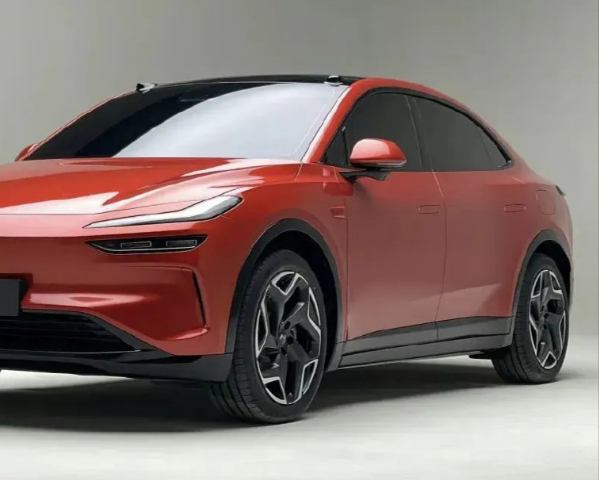
As the global market for Chinese electric vehicles continues to expand, international dealerships, fleet operators, rental companies, and automotive wholesalers are placing greater emphasis on after-sales support. While competitive pricing and vehicle quality remain important, long-term profitability ultimately depends on efficient maintenance, reliable spare parts availability, and responsive technical assistance.
For businesses importing electric vehicles in volume, establishing a strong after-sales strategy is just as important as selecting the right inventory. The following guide answers some of the most common questions about maintaining imported EV fleets and building a sustainable service network.
How Can International Buyers Secure Reliable Spare Parts?
A dependable spare parts supply chain is essential for maintaining vehicle uptime and minimizing repair delays. Professional exporters typically work with established manufacturer networks and authorized component suppliers to help overseas buyers source both routine maintenance parts and specialized electronic components.
Frequently requested items include brake components, suspension systems, lighting assemblies, sensors, charging accessories, and battery cooling equipment. Businesses managing larger fleets are encouraged to maintain a strategic inventory of EV spare parts to reduce downtime and improve maintenance efficiency.
Working with experienced sourcing partners also simplifies international procurement by coordinating shipping, customs documentation, and inventory planning for replacement components.
What Technical Resources Are Available for Maintenance Teams?
Modern electric vehicles combine advanced mechanical systems with sophisticated software and electronic controls. As a result, technicians require more than traditional repair experience—they also need access to accurate technical information.
Professional suppliers often provide EV technical documentation, including service manuals, wiring diagrams, diagnostic procedures, maintenance schedules, and component specifications. These resources enable local service teams to identify faults more accurately and complete repairs according to manufacturer guidelines.
Access to reliable technical documentation improves repair quality while helping businesses reduce unnecessary parts replacement and labor costs.
Can Businesses Build Local Service Networks?
As Chinese EV brands continue expanding into international markets, demand for qualified service providers is increasing rapidly.
Many fleet operators and dealerships now establish partnerships with independent repair centers or authorized service providers to improve local maintenance capabilities. Some exporters also support technical training programs that help service technicians become familiar with specific vehicle platforms and diagnostic procedures.
Developing a regional EV service network allows businesses to respond more quickly to customer needs, improve repair turnaround times, and strengthen long-term customer relationships.
For dealerships planning continued growth, investing in local technical expertise creates a significant competitive advantage.
How Are Warranty Claims and Technical Recalls Managed?
Warranty support remains an important consideration when importing electric vehicles internationally.
Professional procurement partners help buyers understand manufacturer warranty policies, required documentation, and claim procedures before vehicles are delivered. This preparation reduces confusion should warranty-related issues arise during vehicle ownership.
Export partners also monitor manufacturer announcements regarding software updates, technical bulletins, and product recalls. When necessary, buyers receive timely information that allows them to respond quickly and maintain compliance with manufacturer requirements.
Effective communication throughout the warranty process helps reduce operational disruptions while protecting both dealerships and end customers.
Can Imported EVs Be Diagnosed Using Standard Equipment?
Diagnostic accessibility has become an increasingly important factor for fleet operators and independent workshops.
Many modern electric vehicles support OBD-II diagnostics, allowing technicians to retrieve fault codes, monitor system performance, and perform routine diagnostic procedures using compatible equipment. Depending on the manufacturer, additional diagnostic software may also provide access to battery management systems, charging data, and electronic control modules.
Before purchasing vehicles in bulk, buyers should verify which diagnostic tools are supported for each model. Selecting vehicles with broader diagnostic compatibility simplifies maintenance and reduces long-term servicing costs.
For businesses operating professional repair facilities, accessible diagnostics significantly improve workshop efficiency.
Why After-Sales Support Matters for Long-Term Success
Importing electric vehicles is only the first step in building a successful automotive business. Maintaining vehicle reliability, supporting customers, and minimizing downtime are equally important for achieving long-term profitability.
Businesses that invest in spare parts planning, technician training, diagnostic capabilities, and professional support services are better prepared to manage growing EV fleets efficiently.
Reliable after-sales systems also improve customer satisfaction, strengthen dealership reputation, and encourage repeat business in increasingly competitive markets.
As global demand for electric vehicles continues to rise, companies that prioritize comprehensive service support alongside quality vehicle sourcing will be well positioned for sustainable growth in the years ahead.