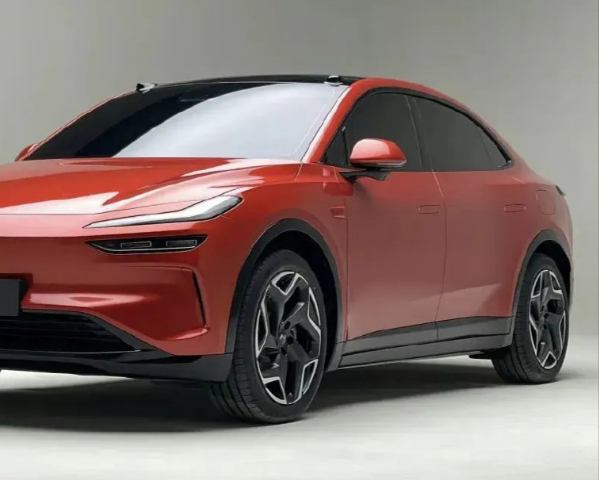
The global market for pre-owned electric vehicles is entering a new stage of maturity in 2026. As more dealerships, fleet operators, and vehicle importers source electric vehicles from China, purchasing decisions are becoming increasingly data-driven. While price and appearance remain important considerations, buyers now place greater emphasis on battery condition, technical verification, and long-term reliability. In today’s competitive market, trust is built on measurable performance rather than assumptions.
For businesses engaged in international vehicle trade, comprehensive battery diagnostics have become an essential part of the procurement process. Reliable technical data not only reduces purchasing risks but also strengthens customer confidence and improves the long-term value of imported inventory.
Battery Diagnostics Are Reshaping EV Procurement
Unlike traditional fuel-powered vehicles, an electric vehicle’s most valuable component is its battery system. Understanding its condition is critical when evaluating a used vehicle for international resale.
Professional buyers now expect detailed battery diagnostic reports that provide measurable information about battery performance instead of relying solely on mileage or visual inspections. These reports help determine how efficiently a battery has operated throughout its service life and whether it is capable of delivering reliable performance for future owners.
By using standardized diagnostic procedures, importers can make informed purchasing decisions while reducing uncertainty throughout the supply chain.
Why Battery State of Health Matters
One of the most important indicators included in modern diagnostics is Battery State of Health (SoH). This measurement estimates how much usable battery capacity remains compared with the battery’s original factory specification.
A healthy SoH generally indicates stable driving range, consistent charging performance, and a longer remaining service life. In contrast, batteries showing excessive degradation may require additional maintenance or significantly reduce vehicle value.
Professional inspections also evaluate charging history, battery temperature management, voltage consistency across battery modules, and overall system performance. Together, these data points provide a comprehensive assessment of battery condition before export.
For dealerships, offering verified SoH information increases customer confidence and helps simplify the sales process.
Transparency Reduces Risk for International Buyers
Cross-border vehicle transactions naturally involve a higher level of uncertainty than domestic purchases. Buyers cannot always inspect vehicles in person before shipment, making reliable documentation increasingly valuable.
Providing third-party battery inspection results helps bridge this information gap by offering objective technical verification from independent professionals. Combined with maintenance records, vehicle history, and inspection reports, battery diagnostics create a transparent purchasing experience that benefits both buyers and sellers.
Businesses that consistently provide verified documentation often build stronger reputations, generate repeat customers, and reduce after-sales disputes.
In today’s international EV market, transparency has become a competitive advantage rather than simply an added service.
Modern Battery Technology Supports Long-Term Value
Battery technology has advanced significantly over the past several years. Many Chinese electric vehicles now utilize Lithium Iron Phosphate (LFP) batteries, which are widely recognized for their excellent thermal stability, long cycle life, and reliable performance.
When properly maintained, these battery systems can retain a high percentage of their original capacity even after years of regular operation. This improved durability has helped increase buyer confidence in the global used EV market while reducing concerns about battery replacement costs.
For commercial importers, vehicles equipped with proven battery technology generally offer stronger resale potential and lower long-term operating expenses.
Verified Data Creates Stronger Customer Confidence
Consumers purchasing used electric vehicles want clear evidence that the vehicle has been professionally inspected. Verified battery diagnostics allow dealerships to demonstrate vehicle quality using measurable technical information instead of marketing claims.
Comprehensive reports typically include battery capacity analysis, charging efficiency, thermal management evaluation, and electronic system diagnostics. Together, these records provide buyers with greater confidence before making a purchasing decision.
For businesses managing larger inventories, offering EV battery inspection documentation also improves operational consistency by establishing standardized quality benchmarks across every imported vehicle.
This approach helps strengthen customer relationships while supporting long-term brand credibility.
Data-Driven Procurement Is the Future of EV Trading
As the international electric vehicle market continues to expand, successful businesses will increasingly rely on verified technical data throughout the procurement process.
Professional battery diagnostics, independent inspections, transparent maintenance histories, and standardized quality control all contribute to more reliable purchasing decisions and improved customer satisfaction.
Rather than treating inspection reports as optional documents, leading importers now view them as essential business tools that reduce risk and increase inventory value.
Companies that prioritize battery health verification, technical transparency, and professional inspection standards will be better positioned to compete in the rapidly growing global market for pre-owned electric vehicles.
As customer expectations continue to evolve, data-backed quality assurance will remain one of the strongest competitive advantages for dealerships, wholesalers, and fleet operators involved in international EV trade.