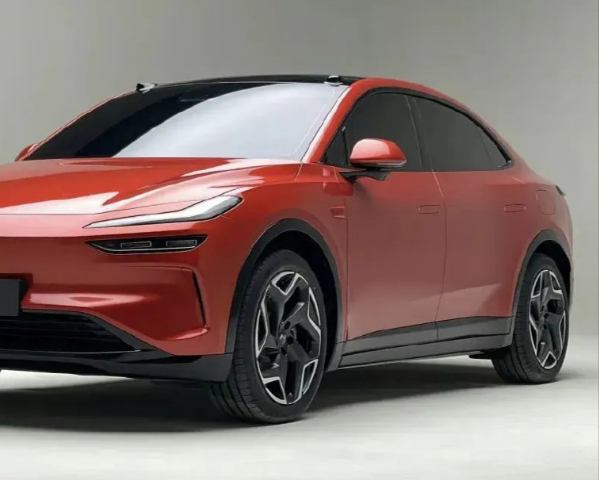
As demand for electric vehicles continues to grow worldwide, international dealerships, fleet operators, vehicle rental companies, and automotive wholesalers are increasingly sourcing inventory from China. While the opportunities are significant, successful cross-border procurement requires careful planning, reliable logistics, and a thorough understanding of import regulations.
This FAQ addresses some of the most common questions from commercial buyers and provides practical guidance for building an efficient, scalable electric vehicle procurement strategy.
What Documents Are Required for International EV Imports?
Accurate documentation is one of the most important factors in ensuring a smooth customs clearance process. Although import requirements vary by country, professional exporters generally prepare a complete package of shipping and compliance documents before vehicles leave China.
Typical documentation includes the commercial invoice, packing list, certificate of origin, vehicle registration cancellation records, and export declarations. For electric vehicles, buyers should also receive battery safety certification, transportation compliance documents, and other technical paperwork required by local customs authorities.
Professional suppliers carefully verify every document before shipment to reduce the risk of customs delays, additional inspection fees, or clearance complications. Complete documentation not only accelerates import procedures but also protects businesses from unnecessary operational disruptions.
How Are Vehicles Protected During International Shipping?
Transporting electric vehicles over long distances requires specialized handling to maintain vehicle quality throughout the shipping process.
Reliable logistics providers use professional securing systems to prevent vehicle movement inside containers during ocean transport. Every vehicle is carefully positioned, fastened, and protected using industry-standard loading procedures designed specifically for automotive exports.
Before shipment, suppliers typically complete a pre-shipment vehicle inspection and record the vehicle’s condition through detailed photographs and videos. These inspection records provide valuable documentation for insurance purposes while giving buyers confidence that the vehicle’s condition has been verified before departure.
Working with experienced shipping partners significantly reduces transportation risks and helps ensure vehicles arrive in the same condition in which they were loaded.
Can Multiple Vehicle Models Be Combined in One Shipment?
Yes. Most international wholesalers and dealerships choose to import a combination of vehicle types rather than relying on a single model.
A diversified inventory may include compact city cars, family SUVs, executive sedans, and commercial vehicles within the same shipment. This strategy allows businesses to respond to different customer preferences while reducing inventory risk.
Professional exporters also optimize container utilization through mixed-model vehicle sourcing, allowing buyers to maximize shipping efficiency without committing to large quantities of one specific model.
For businesses entering new markets, mixed shipments provide valuable opportunities to evaluate customer demand before expanding future procurement.
What Technical Support Is Available After Delivery?
Successful vehicle procurement extends well beyond the shipping process. After-sales technical support plays an important role in maintaining fleet reliability and customer satisfaction.
Professional suppliers often provide access to digital service manuals, maintenance documentation, diagnostic specifications, and repair guidance for exported vehicles. Buyers may also receive assistance identifying compatible replacement components and recommended maintenance procedures.
For dealerships and fleet operators, having access to reliable EV technical support helps reduce repair times, improve service quality, and minimize vehicle downtime.
Building long-term relationships with experienced suppliers ensures ongoing technical resources remain available as fleets continue to grow.
What Payment Options Are Available for Commercial Buyers?
International vehicle procurement typically follows secure payment procedures designed to protect both buyers and suppliers.
Most transactions begin with a deposit after order confirmation, followed by the remaining balance once shipping documents—including the Bill of Lading—have been issued. This process provides financial security while allowing both parties to verify shipment completion before final payment.
For long-term business partners purchasing vehicles on a regular basis, suppliers may offer more flexible commercial arrangements that improve procurement efficiency and support business growth.
Establishing transparent financial processes helps create stronger partnerships while simplifying future purchasing cycles.
Why Choosing the Right Procurement Partner Matters
Importing electric vehicles involves much more than selecting competitive prices. Buyers must evaluate vehicle quality, battery condition, shipping reliability, documentation accuracy, compliance standards, and post-sale support before making investment decisions.
Working with experienced procurement specialists helps businesses reduce operational risks while improving supply chain efficiency. Comprehensive inspections, verified documentation, reliable logistics, and professional technical assistance all contribute to a smoother purchasing experience.
As global demand for electric vehicles continues to increase, companies that invest in transparent sourcing processes and professional logistics support will be better positioned to serve customers and expand their market presence.
Whether purchasing a small number of vehicles or managing large commercial fleets, selecting reliable partners ensures consistent inventory quality and creates a solid foundation for long-term business success.