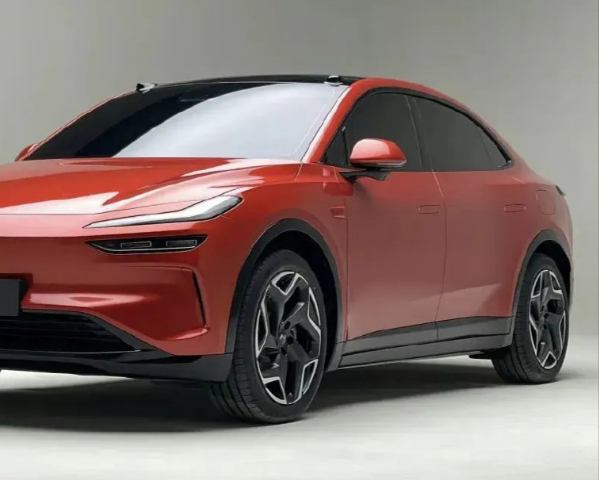
The international market for Chinese electric vehicles is expanding rapidly in 2026 as dealerships, fleet operators, and automotive wholesalers seek cost-effective solutions for the growing demand for electric mobility. While importing EVs from China offers significant commercial opportunities, it also requires a solid understanding of vehicle inspection, logistics, compliance documentation, battery certification, and software compatibility.
This guide answers the most common questions from international buyers and explains the key steps involved in building a successful EV import business.
How Does the Vehicle Sourcing and Inspection Process Work?
Quality assurance is the foundation of every successful cross-border vehicle purchase. Before any electric vehicle is approved for export, professional suppliers should conduct a comprehensive inspection covering both mechanical and electronic systems.
A standard multi-point vehicle inspection includes battery diagnostics, structural evaluation, suspension testing, brake performance, charging system verification, software diagnostics, and road testing. Buyers should also receive detailed inspection reports supported by high-resolution photographs and videos that accurately reflect the vehicle’s condition.
For commercial buyers purchasing multiple units, standardized inspection procedures help reduce procurement risks while improving customer confidence after resale. Choosing suppliers that provide transparent inspection records is one of the most effective ways to protect your investment.
How Long Does the Import Process Usually Take?
Although delivery schedules vary depending on destination countries, most international EV exports follow a predictable workflow.
The process generally begins with vehicle sourcing and technical inspection, followed by export documentation, customs preparation, and vehicle deregistration in China. Once these procedures are completed, vehicles are loaded for international shipping before arriving at the destination port for customs clearance.
In most cases, the complete process takes between 45 and 60 days, depending on shipping routes, port congestion, and local import regulations.
Working with experienced logistics providers gives buyers better shipment visibility through real-time cargo tracking, helping businesses plan inventory arrivals more efficiently.
How Is Software Compatibility Handled for Overseas Markets?
Unlike traditional vehicles, modern electric cars depend heavily on software systems that control navigation, infotainment, remote connectivity, charging functions, and intelligent driving features.
Some vehicles are configured specifically for the Chinese domestic market and may require localization before international delivery. Professional exporters therefore evaluate software compatibility before shipment to ensure the vehicle functions correctly in its destination country.
This process may include language configuration, navigation updates, cloud service adjustments, mobile application compatibility, and over-the-air (OTA) software support.
For dealerships serving local customers, selecting vehicles with international software support reduces after-sales issues while improving customer satisfaction.
What Battery Certifications Are Required for Export?
Battery transportation is subject to strict international safety regulations. Every exported electric vehicle should include the necessary documentation required by customs authorities and shipping companies.
Among the most important documents are the UN38.3 battery test report, which verifies transportation safety for lithium batteries, and the Material Safety Data Sheet (MSDS), which provides essential information for handling and shipping battery systems.
Professional exporters typically prepare these compliance documents before shipment, helping buyers avoid customs delays while ensuring vehicles satisfy international transportation standards.
Proper battery certification also demonstrates that vehicles have been handled according to recognized global safety requirements throughout the export process.
Can Inventory Be Customized for Different Markets?
Every automotive market has different customer preferences, making flexible procurement increasingly important.
Some regions experience stronger demand for compact city vehicles, while others prefer crossover SUVs, premium sedans, or commercial fleet models. Professional sourcing companies help buyers build inventories based on local market demand, sales trends, and long-term profitability.
Whether purchasing a small number of vehicles or large wholesale shipments, customized sourcing allows dealerships to improve inventory turnover while reducing unnecessary stock.
Businesses can also request specific production years, battery capacities, mileage ranges, vehicle colors, or equipment configurations to better match customer expectations.
Why Professional Procurement Services Matter
Importing electric vehicles involves much more than selecting cars at competitive prices. Buyers must evaluate battery condition, inspection quality, documentation, logistics, software configuration, and regulatory compliance before making purchasing decisions.
Working with experienced sourcing partners simplifies this process by providing verified vehicle histories, transparent inspections, export documentation, and reliable shipping coordination.
As global demand for affordable electric mobility continues to rise, businesses that invest in professional procurement procedures will be better positioned to build customer trust, reduce operational risks, and improve long-term profitability.
For dealerships and fleet operators planning to expand their electric vehicle inventory, choosing suppliers that prioritize quality assurance, technical verification, and compliance is one of the most effective strategies for sustainable business growth.