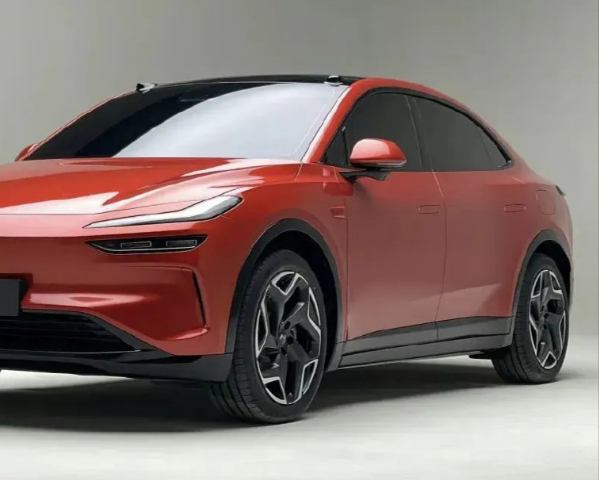
As China’s used electric vehicle export industry continues to expand, more dealerships, fleet operators, and automotive trading companies are exploring sourcing opportunities from the world’s largest EV market.
However, purchasing used EVs internationally involves much more than selecting inventory and arranging transportation. Buyers must understand battery verification, export documentation, logistics planning, software compatibility, and payment security before committing capital.
This FAQ guide answers some of the most common questions international B2B buyers ask when importing used electric vehicles from China.
Q1: What Documents Are Required to Export a Used EV from China?
Export compliance is one of the most important aspects of international vehicle procurement.
Before purchasing inventory, buyers should confirm that the exporter can provide the necessary documentation required for legal export and customs clearance.
Typical documentation may include:
- Vehicle ownership records
- Export qualification documents
- Vehicle de-registration certificates
- Customs clearance paperwork
- Shipping documentation
- Independent vehicle inspection reports
One critical verification step involves checking the Vehicle Identification Number (VIN).
The VIN should remain consistent across:
- Registration records
- Inspection documents
- Export paperwork
- Shipping documents
Even minor inconsistencies can create customs clearance delays or additional administrative costs at the destination port.
For this reason, experienced importers often perform document reviews before final payment is released.
Q2: How Can Battery State of Health (SOH) Be Verified Before Shipment?
Battery condition is often the most important factor affecting the value of a used electric vehicle.
Since international buyers typically cannot inspect vehicles in person, battery verification relies heavily on digital diagnostics.
A standard verification process generally follows this workflow:
Battery Management System (BMS) → OBD Diagnostic Scan → Battery Health Report
Professional inspectors can retrieve information directly from the vehicle’s Battery Management System (BMS) through an OBD diagnostic scan.
These reports may include:
- battery State of Health (SOH)
- Cell voltage consistency
- Charging history
- Temperature records
- Battery fault codes
Additional Verification Measures
Many experienced buyers request:
- Independent battery reports
- Live diagnostic demonstrations
- VIN verification during testing
- Bilingual inspection documentation
These steps help improve transparency and reduce procurement risk.
Q3: What Shipping Methods Are Available for Used Electric Vehicles?
Electric vehicles require specialized transportation planning due to battery-related shipping regulations.
The two most common international transport methods are:
| Shipping Method | Typical Use Case |
|---|---|
| Ro-Ro shipping | Fleet purchases and bulk orders |
| Container Shipping | Individual vehicles and premium inventory |
Ro-Ro Shipping
Advantages include:
- Lower transportation cost per vehicle
- Faster loading and unloading
- Efficient large-volume transportation
This option is commonly used by dealerships and fleet operators purchasing multiple vehicles.
Container Shipping
Advantages include:
- Enhanced physical protection
- Flexible routing options
- Suitable for high-value inventory
The most suitable shipping method depends on destination requirements, shipment volume, and budget considerations.
Q4: Can Chinese EV Software Be Adapted for Overseas Markets?
In many cases, yes.
However, localization requirements vary significantly depending on vehicle manufacturer, operating system architecture, and destination market regulations.
Common software adjustments include:
- Language pack installation
- Navigation updates
- Mobile network configuration
- Multimedia system optimization
Before importing inventory, buyers should verify:
- Available language options
- Navigation compatibility
- Connectivity requirements
- Smartphone integration support
Addressing these issues before shipment can help reduce post-import costs and improve customer satisfaction.
Q5: What Inspection Reports Should Buyers Request?
A professional inspection should cover much more than cosmetic appearance.
Recommended inspection categories include:
Mechanical Inspection
Evaluation of:
- Suspension components
- Steering systems
- Braking performance
- Tire condition
Battery Diagnostics
Assessment of:
- SOH percentage
- Battery charging performance
- Thermal management systems
- Battery fault history
Exterior and Interior Assessment
Documentation covering:
- Body condition
- Paint quality
- Interior wear
- Functional equipment status
Vehicle History Verification
Review of:
- Registration history
- Ownership records
- Service documentation
- Available maintenance records
Comprehensive reports provide greater confidence when purchasing vehicles remotely.
Q6: What Payment Terms Are Common in the Used EV Export Industry?
Payment structures vary depending on transaction size and supplier relationships.
The most common methods include:
Telegraphic Transfer (T/T)
Many international transactions follow a staged payment structure involving:
- Initial deposit
- Vehicle preparation phase
- Documentation completion
- Final balance payment
Letter of Credit (L/C)
For larger commercial purchases, Letters of Credit are often used to provide additional transaction security.
The preferred payment structure usually depends on:
- Order volume
- Buyer-supplier relationship
- Banking arrangements
- Risk management requirements
Regardless of payment method, buyers should ensure that funds are transferred only to legally registered corporate accounts associated with qualified export businesses.
Q7: What Are the Most Common Risks When Importing Used EVs?
Most sourcing risks can be reduced through careful due diligence.
Common challenges include:
- Incomplete documentation
- Unverified battery data
- Software compatibility issues
- Logistics delays
- Inaccurate vehicle condition reporting
To minimize these risks, buyers should prioritize:
- Independent inspections
- Verified battery diagnostics
- Complete vehicle documentation
- Transparent communication
- Professional export support
A structured procurement process is often the most effective way to improve sourcing outcomes and reduce unexpected costs.
Final Thoughts
China’s used EV export sector continues to attract growing interest from automotive dealerships, fleet operators, and vehicle trading companies worldwide.
Successful sourcing requires more than identifying competitively priced inventory. Buyers must also evaluate battery condition, verify documentation, understand shipping requirements, and assess software compatibility before making purchasing decisions.
Companies that prioritize transparency, technical due diligence, and regulatory compliance are generally better positioned to build sustainable and scalable used EV export operations in 2026 and beyond.