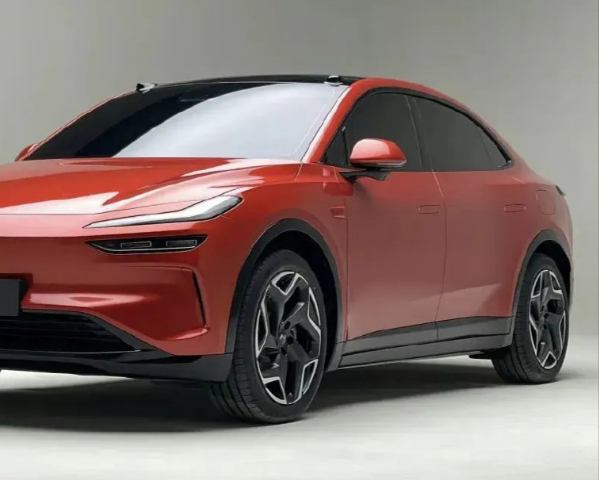
The international market for used electric vehicles continues to expand as dealerships, fleet operators, and automotive trading companies seek cost-effective inventory with modern technology and competitive pricing.
China has become one of the most important sourcing destinations due to its large EV ownership base and rapidly growing secondary vehicle market. However, purchasing a used electric vehicle requires a different evaluation framework than purchasing a traditional gasoline-powered vehicle.
For global buyers, vehicle condition can no longer be judged solely by appearance, mileage, or maintenance records. Modern EVs combine software, battery systems, electronics, and connectivity features that require a more comprehensive procurement process.
This checklist highlights several critical areas international buyers should review before completing a wholesale purchase.
Look Beyond Cosmetic Condition
Many buyers naturally focus on exterior appearance during initial inspections.
While paint quality, body panels, and interior condition remain important, the highest-value components of an electric vehicle are often hidden beneath the surface.
Traditional Vehicle Inspection vs. EV Inspection
| Traditional Vehicle Focus | Modern EV Focus |
|---|---|
| Engine condition | Battery pack integrity |
| Transmission performance | High-voltage system condition |
| Fluid leaks | Battery cooling systems |
| Exhaust system | Power electronics and charging systems |
Unlike conventional vehicles, EV battery packs are integrated into the vehicle chassis and represent a significant portion of the vehicle’s value.
During the inspection process, buyers should request:
- High-resolution underbody photographs
- Battery pack housing inspection
- Evidence of impact damage
- Corrosion assessment
- Structural condition reports
Even minor underbody damage may warrant additional evaluation before purchase.
Verify Battery Condition with Data, Not Assumptions
One of the most common mistakes in international sourcing is relying solely on vehicle age or mileage when evaluating battery quality.
Battery performance should be verified using objective diagnostic information.
Recommended documentation includes:
- battery State of Health (SOH) reports
- Battery Management System data
- Charging history records
- Cell voltage balance information
- Diagnostic fault reports
A comprehensive battery assessment provides a much clearer picture of future vehicle performance than mileage alone.
For B2B buyers, transparent battery documentation has become a standard requirement rather than an optional feature.
Review Software and OTA Update Status
Modern Chinese EVs increasingly function as software-defined vehicles.
Manufacturers regularly release OTA software updates that affect vehicle performance, connectivity, navigation systems, charging functions, and driver-assistance features.
Before purchasing inventory, importers should verify:
- Current software version
- Update eligibility
- Regional software restrictions
- Connected services availability
- User account ownership status
Why Account Ownership Matters
Some vehicles entering the secondary market may have previously belonged to:
- Ride-hailing operators
- Corporate fleets
- Vehicle subscription programs
- Car-sharing services
In these cases, the vehicle may still be linked to an existing user account or fleet management platform.
Buyers should confirm that:
- Previous user accounts have been removed
- Connected services can be transferred
- Remote access permissions have been reset
- Ownership records are complete
Addressing these issues before export can help avoid complications after delivery.
Evaluate Thermal Management Systems
Battery health receives significant attention, but battery longevity depends heavily on thermal management performance.
Modern EVs use sophisticated cooling and heating systems to maintain optimal battery operating temperatures.
Why Thermal Management Matters
Effective thermal control helps:
- Reduce battery degradation
- Improve charging performance
- Support long-term reliability
- Maintain driving range consistency
When available, buyers should review:
- Cooling system diagnostics
- Temperature sensor data
- Service records
- Heat pump functionality
- Battery cooling system inspections
Vehicles operating in extreme climates may require additional attention during this stage of evaluation.
Confirm Charging Compatibility Before Shipment
Charging compatibility remains one of the most overlooked aspects of international EV sourcing.
Different markets use different charging standards.
| Region | Common Charging Standard |
|---|---|
| China | GB/T |
| Europe | CCS2 |
| North America | NACS / CCS1 |
| Some Emerging Markets | Mixed Infrastructure |
Before importing inventory, buyers should evaluate:
- Charging port compatibility
- Adapter requirements
- Local charging infrastructure
- Fast-charging availability
Proper planning helps reduce customer concerns and improves post-sale ownership experiences.
Review Export Documentation Carefully
Documentation errors remain one of the most common causes of shipment delays.
Before finalizing a purchase, verify that all records are accurate and consistent.
Key documents may include:
- Vehicle registration records
- Export documentation
- Customs paperwork
- Inspection reports
- Shipping records
Particular attention should be given to VIN consistency across all documents.
Even small discrepancies can create administrative delays during customs clearance.
Supplier Due Diligence Remains Essential
Even the best procurement checklist cannot compensate for an unreliable supplier.
Before placing an order, buyers should evaluate:
- Export experience
- Inspection procedures
- Documentation standards
- Communication responsiveness
- After-sales support capabilities
Transparent sourcing partners are generally more likely to provide complete vehicle information and facilitate smoother transactions.
Final Thoughts
The used EV export market continues to create attractive opportunities for international dealerships and fleet operators. However, successful sourcing requires more than identifying low purchase prices.
Professional buyers increasingly focus on measurable indicators such as battery State of Health (SOH), Battery Management System (BMS) diagnostics, OTA software updates, thermal management performance, and charging compatibility.
By implementing a structured procurement process and prioritizing technical due diligence, importers can reduce risk, improve inventory quality, and build stronger long-term profitability within the growing used EV export market.