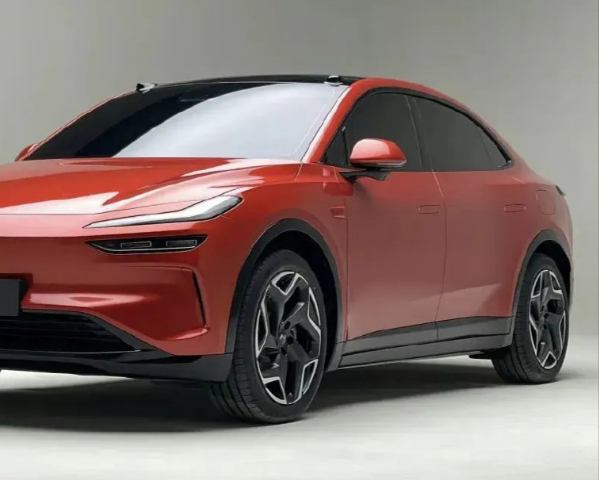
As the global market for pre-owned electric vehicles continues to expand, battery condition has become one of the most important factors influencing vehicle value, resale potential, and long-term operating costs.
For international dealerships, fleet operators, and automotive trading companies sourcing used EVs from China, understanding battery health is no longer a purely technical issue. It is a key factor that affects procurement decisions, customer satisfaction, and overall return on investment.
Unlike traditional gasoline-powered vehicles, where buyers often focus on mileage and maintenance records, electric vehicle assessments require a closer examination of battery performance and remaining capacity.
Why Battery Health Matters in the Used EV Market
The battery pack is widely regarded as the most valuable component of an electric vehicle. Depending on the model and battery size, it can account for a substantial portion of the vehicle’s total value.
As batteries age, their energy storage capacity gradually declines. This natural process affects driving range, charging performance, and future resale value.
For B2B buyers importing vehicles from overseas markets, understanding the actual condition of the battery can help avoid unexpected costs and improve inventory quality.
When evaluating used EV inventory, battery diagnostics should be considered just as important as vehicle mileage, accident history, and mechanical condition.
Understanding the Difference Between SOH and SOC
One of the most common mistakes made by first-time EV buyers is confusing State of Charge (SOC) with battery State of Health (SOH).
Although the terms sound similar, they measure completely different aspects of battery performance.
| Metric | What It Measures |
|---|---|
| SOC (State of Charge) | Current battery charge level |
| SOH (State of Health) | Remaining battery capacity compared to when new |
For example, a vehicle may display 100% charge after being plugged in overnight. However, if the battery’s maximum capacity has declined over time, its SOH may be significantly lower.
A battery with an SOH of 85% can only store approximately 85% of the energy it could when new.
For many professional buyers, battery State of Health (SOH) has become one of the most important indicators when assessing used electric vehicles.
General SOH Reference Guide
| SOH Range | Assessment |
|---|---|
| Above 90% | Excellent |
| 85% – 90% | Strong condition |
| 80% – 85% | Acceptable for most markets |
| Below 80% | Requires additional evaluation |
Actual battery performance should always be assessed alongside age, mileage, climate exposure, and maintenance history.
LFP vs. NMC Batteries: Which Offers Better Long-Term Value?
China’s EV market is dominated by two major battery technologies:
- LFP batteries (Lithium Iron Phosphate)
- NMC batteries (Nickel Manganese Cobalt)
Understanding the characteristics of each chemistry can help buyers select vehicles that match their target market.
LFP Batteries
LFP batteries are known for:
- Long cycle life
- Strong thermal stability
- Lower degradation rates
- Suitability for commercial fleets
These batteries are widely used in many mainstream EV models and have become increasingly popular due to their durability.
NMC Batteries
NMC batteries typically offer:
- Higher energy density
- Longer driving range
- Improved cold-weather performance
They are commonly found in premium and long-range electric vehicles where maximizing range is a priority.
Rather than determining which battery chemistry is universally better, buyers should evaluate which technology best suits local climate conditions and customer expectations.
How to Verify Battery Health Remotely
One of the biggest challenges for international buyers is evaluating vehicles located thousands of miles away.
Fortunately, modern electric vehicles generate detailed diagnostic information through their Battery Management System (BMS).
Request OBD Diagnostic Reports
Professional inspectors can retrieve information directly from the vehicle through an OBD diagnostic scan.
These reports may include:
- Battery SOH
- Cell voltage consistency
- Charging history
- Battery temperature records
- Fault codes
This data provides a more reliable assessment than dashboard photographs alone.
Review Charging History
If available, buyers should examine charging patterns.
Important factors include:
- Frequency of DC fast charging
- Long-term charging habits
- Extended storage periods
- Battery maintenance records
A well-maintained battery often delivers stronger long-term performance than one subjected to extreme operating conditions.
Verify Vehicle Identity
To improve transparency, many experienced importers request diagnostic reports that clearly display the vehicle VIN alongside battery data.
This additional verification step helps reduce sourcing risk.
Understanding the Growing Second-Life Battery Market
Battery value does not disappear when automotive performance begins to decline.
Many retired EV batteries are now being repurposed for stationary energy storage applications.
Examples include:
- Residential solar energy systems
- Commercial energy storage projects
- Backup power systems
- Renewable energy infrastructure
As global demand for energy storage increases, second-life battery applications may help support long-term residual value.
This emerging sector is becoming an increasingly important consideration when evaluating used EV assets.
Why Battery Transparency Improves Resale Performance
Today’s EV buyers are more informed than ever.
Many customers actively compare battery data before making a purchasing decision.
Providing documented battery information can help:
- Increase buyer confidence
- Improve dealership credibility
- Support stronger resale pricing
- Reduce post-sale disputes
For this reason, many professional dealerships now provide battery health reports or battery certificates alongside standard vehicle inspection documentation.
Final Thoughts
The global used electric vehicle market continues to mature, and battery evaluation has become a critical part of the sourcing process.
Successful importers look beyond vehicle appearance and focus on measurable indicators such as battery State of Health (SOH), battery chemistry, charging history, and independent diagnostic records.
By combining transparent battery verification with professional inspection procedures, dealerships and fleet operators can make more informed purchasing decisions and reduce risk when sourcing used electric vehicles from China.
As international demand for affordable electric mobility continues to grow, battery transparency is increasingly becoming a standard expectation rather than a competitive advantage.