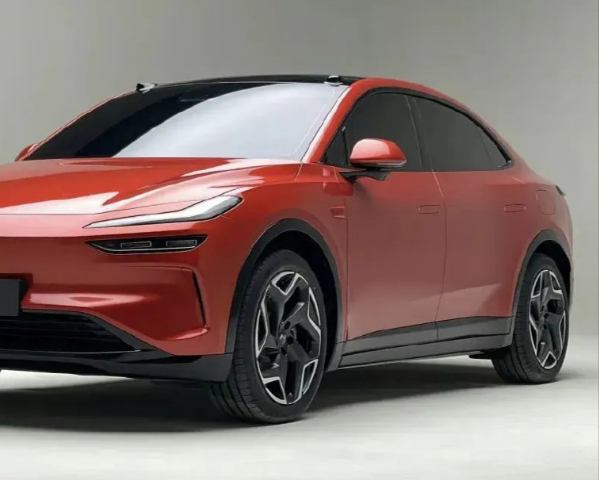
Navigating the international used car market requires clear information regarding logistics, vehicle sourcing, and regulatory standards. Whether you are an individual buyer seeking a reliable daily driver or a business entity exploring a wholesale vehicle export partnership, understanding the operational framework is essential. This FAQ provides detailed, objective answers regarding our inventory, quality assurance processes, and international shipping protocols to help you make an informed decision.
1. Do your services cater strictly to commercial enterprises, or can individual buyers purchase directly?
While we operate on a global scale and regularly handle business-to-business (B2B) transactions, our primary operational focus is actually on individual private buyers. We understand that navigating international vehicle purchases can seem complex for individuals who do not import goods regularly.
Therefore, we have structured our customer service and logistics channels to specifically support private buyers seeking reliable personal transportation. From selecting the right model to understanding the final shipping documents, our processes are designed to make individual purchasing as straightforward as possible. Whether you are buying a single unit for your family or coordinating a multi-vehicle order for a commercial fleet, the level of attention, transparent pricing, and administrative support remains consistent across the board.
2. What types of vehicles are primarily available in your inventory?
Although industry news frequently highlights new energy vehicles, the foundation of our practical, ready-to-ship inventory consists primarily of traditional fuel vehicles (Internal Combustion Engine, or ICE, models). We maintain a robust supply of high-quality gasoline and diesel vehicles because they offer established mechanical reliability, widespread parts availability, and require no specialized charging infrastructure. This makes them highly practical for buyers in many global regions.
Alongside our strong traditional vehicle supply, we also offer a curated selection of electric vehicles (EVs). This ensures that buyers whose local infrastructure and daily driving routines support electric mobility also have access to reliable options. This balanced approach allows us to meet diverse practical needs without pushing a single technology.
3. How do you verify the quality and condition of a vehicle before it is exported?
Transparency regarding vehicle condition is a fundamental requirement for cross-border transactions. Before any vehicle is cleared for export, it undergoes a standardized, objective inspection process. The results are documented in a comprehensive vehicle condition report provided to the buyer.
- For Traditional Fuel Vehicles: The inspection covers engine diagnostics, transmission functionality, fluid levels, exhaust systems, and chassis integrity.
- For Electric Vehicles: The process includes reading the battery’s State of Health (SOH), checking the thermal management systems, and verifying the high-voltage electronic components.
We do not use exaggerated claims or subjective language regarding vehicle condition. We simply provide the factual diagnostic data, maintenance history, and visual evidence required for you to understand exactly what you are purchasing.
4. What are the general procedures for international shipping and logistics?
Managing cross-border car shipping involves several coordinated steps to ensure the vehicle reaches its destination port safely and legally. The standard procedure includes inland transportation to the departure port, customs export clearance, and ocean freight.
Buyers generally have two primary options for ocean freight:
| Shipping Method | Description | Best Suited For |
| RoRo (Roll-on/Roll-off) | Vehicles are driven directly onto a specialized enclosed vessel and secured to the deck. | Single vehicle purchases, standard-sized cars, and keeping freight costs low. |
| Container Shipping | Vehicles are loaded and secured inside a standard 20ft or 40ft steel shipping container. | High-value vehicles, buying multiple cars at once, or shipping additional spare parts with the car. |
We assist in booking the freight space and coordinate the delivery to ensure a smooth handover to the shipping line.
5. Who is responsible for handling import duties and local customs clearance?
When a vehicle arrives at the destination port, the buyer (or their designated local customs broker) is responsible for managing import compliance and paying any applicable local taxes, tariffs, or registration fees.
Import regulations, age restrictions, and emissions standards vary significantly by country and sometimes by specific regions within a country. We strongly advise all buyers to consult with a local import specialist before finalizing a purchase to understand the exact financial and regulatory requirements for importing a used vehicle into their specific jurisdiction. To facilitate this process, we provide all necessary origin documentation, including the commercial invoice, export certificate, and the Bill of Lading.
6. What payment methods and terms are accepted for international transactions?
To ensure security for both parties, we utilize standard international banking procedures. Payment is typically processed via Telegraphic Transfer (T/T) through official bank channels.
The standard transaction structure requires an initial deposit to reserve the vehicle and initiate the export paperwork. The remaining balance is typically due upon the presentation of the final shipping documents. We provide clear, itemized commercial invoices so buyers know exactly what costs are covered (such as the cost of the vehicle and the ocean freight) before any funds are transferred.
7. How can I begin the sourcing process or inquire about specific models?
The process begins with a direct inquiry. You can submit your specific requirements—including your preferred make, model, powertrain (traditional fuel or electric), budget range, and your destination port. Our team will review our current available stock and provide a list of options that match your factual parameters.
As a quick reminder, while this platform provides industry news and guides, we are directly engaged in the export of these vehicles. We maintain an active, high-quality inventory and are ready to assist you in finding the exact car that meets your daily driving needs or business requirements. Please reach out through our contact page to start the process.