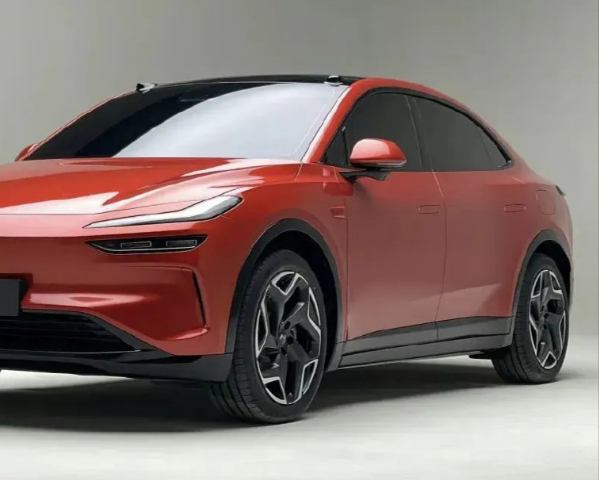
As the automotive industry evolves, a significant amount of media coverage is dedicated to the rise of electric vehicles. However, a closer look at the data within the used vehicle export market reveals a different reality for many global consumers. For the vast majority of individual buyers seeking dependable transportation, traditional internal combustion engine (ICE) vehicles continue to be the primary and most practical choice.
Understanding the ongoing demand for traditional fuel vehicles is essential for buyers navigating the secondary market. This article explores the objective reasons why standard gasoline and diesel vehicles remain the backbone of international vehicle exports, and how individual buyers can make informed purchasing decisions based on their specific local conditions.
The Advantage of Established Infrastructure
The most significant factor sustaining the demand for used ICE vehicles is infrastructure. While urban centers in certain regions are rapidly expanding their charging networks, a large portion of the world relies on existing, traditional refueling stations.
For an individual purchasing a car for practical daily driving, the ability to refuel quickly and reliably without needing specialized home equipment or planning routes around public chargers is a major consideration. Traditional fuel vehicles offer a “plug-and-play” experience in nearly any geographic location, ensuring that the driver is never restricted by regional infrastructure limitations.
Global Parts Availability and Repairability
Another critical metric for evaluating a used car is its serviceability over time. Traditional engines have been manufactured, refined, and standardized for decades. This maturity brings a massive advantage to the secondary market: global parts availability.
Whether a buyer is located in South America, Central Asia, or Africa, local mechanics are generally well-trained in servicing traditional internal combustion engines.
- Standardized Components: Items like alternators, spark plugs, and fuel pumps are universally understood and widely available in aftermarket varieties.
- Lower Repair Complexity: Diagnosing a mechanical issue on a traditional vehicle often requires standard hand tools and basic OBD-II scanners, rather than the proprietary high-voltage diagnostic equipment required for many modern electric vehicles.
This widespread mechanical familiarity directly reduces the cost and downtime associated with long-term maintenance, making traditional fuel vehicles highly economical for individual owners over a five-to-ten-year lifespan.
Evaluating Use Cases: When to Choose Which Powertrain
While traditional vehicles dominate the practical market, evaluating which powertrain is right for an individual buyer depends entirely on their local environment and driving habits.
| Powertrain Type | Ideal Operating Environment | Primary Advantages for Individual Buyers | Maintenance Profile |
| Traditional Fuel (ICE) | Rural areas, regions with developing power grids, frequent long-distance travel. | Maximum range flexibility, easy to find mechanics, predictable depreciation. | Requires regular fluid changes and mechanical upkeep; parts are easily sourced locally. |
| Electric Vehicle (EV) | Urban environments with established charging networks, predictable daily commuting. | Lower daily energy costs if home charging is available, quieter operation. | Fewer moving parts, but requires specialized technicians for electrical diagnostics. |
Buyer’s Tip: When importing a used vehicle, always consider the local import regulations regarding emissions and vehicle age. Many countries have specific compliance standards for traditional fuel vehicles that must be verified prior to shipping.
The Focus on Individual Buyers
The international vehicle trade has historically been viewed as a complex process reserved for large commercial enterprises. However, the market is shifting. Logistics networks and transparent export procedures have made it increasingly accessible for private individuals to import vehicles directly.
For a family or an individual seeking reliable personal transportation, sourcing a used vehicle from an established export market often provides access to higher quality standards and better-maintained inventories than what might be available domestically. By focusing on established ICE models—known for their durability—buyers can secure a dependable vehicle that serves their daily needs without facing the steep initial depreciation of a brand-new car.
Conclusion
While new energy technologies continue to develop, traditional fuel vehicles remain the standard for global practicality, ease of repair, and immediate usability. Their proven mechanical reliability ensures they will hold a vital place in the used car market for years to come.
Understanding market trends is an important step, but locating a dependable vehicle is the ultimate goal. On this platform, we do more than share industry analysis; we maintain a ready supply of thoroughly inspected used vehicles available for direct purchase. Our inventory leans heavily on proven, traditional fuel vehicles designed to meet the practical needs of individual buyers worldwide, alongside a selection of electric models for those whose local infrastructure supports them. If you are looking for a reliable daily driver, we are equipped to handle the sourcing and export process from start to finish.