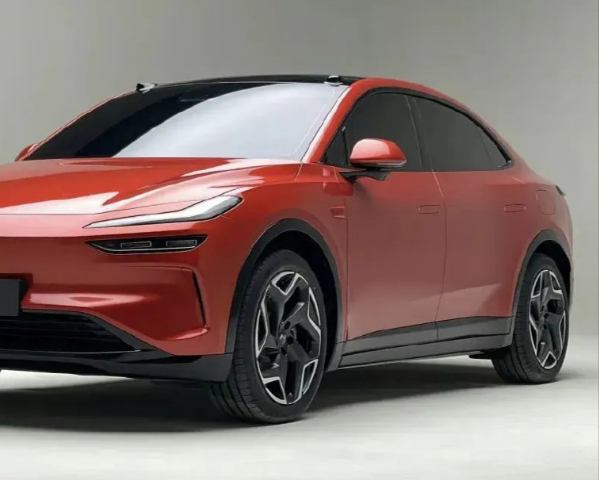
When individuals evaluate a pre-owned vehicle, the initial purchase price is only one part of the financial equation. Understanding long-term financial impacts, specifically used car depreciation and operational costs, is necessary for a sound purchase decision. As the used EV market continues to mature, sufficient historical data has emerged, allowing buyers to objectively compare the financial lifecycle of electric vehicles against traditional cars.
This analysis breaks down the cost retention and ongoing expenses associated with different powertrains, providing buyers with clear data to evaluate their next vehicle purchase.
The Mechanics of Depreciation
Depreciation is the measure of how a vehicle loses value over time. For a new car, the steepest drop in value typically occurs within the first three years of ownership. By the time a vehicle enters the secondary market, this depreciation curve begins to flatten, which is why purchasing a used vehicle is widely considered a practical financial strategy.
However, the rate of value loss differs between electric models and traditional internal combustion engine (ICE) vehicles due to different market forces.
Traditional Vehicle Depreciation
ICE vehicles have an established and predictable depreciation curve. Because the technology is well-understood and the mechanical lifespan of standard engines is widely documented, their resale value is primarily dictated by mileage, physical condition, and brand reputation. On average, a standard gasoline-powered car retains about 40% to 50% of its original value after five years.
Electric Vehicle Depreciation
The depreciation curve in the used EV market has historically been steeper in the first few years compared to ICE vehicles. This is largely driven by rapid advancements in battery technology and changes in government incentives for new EVs, which can artificially lower the resale value of older models. However, once an EV reaches the three-to-five-year mark, its value tends to stabilize. Buyers purchasing at this stage often bypass the heaviest financial hit while still acquiring a vehicle with a long functional lifespan.
Total Cost of Ownership (TCO) Comparison
To understand the true cost of a vehicle, buyers must calculate the total cost of ownership (TCO). This metric includes fuel or charging costs, insurance, taxes, and upkeep.
The following table provides a generalized comparison of ongoing costs for a used EV versus a used ICE vehicle over a standard five-year ownership period for an average individual driver.
| Expense Category | Used Electric Vehicle (EV) | Used Internal Combustion Engine (ICE) |
| Fuel / Energy | Generally lower, especially with home charging during off-peak hours. | Subject to volatile global fuel market prices; generally higher per mile. |
| Routine Maintenance | Minimal (tire rotation, cabin air filters, brake fluid). | Frequent (oil changes, spark plugs, transmission fluid, belts). |
| Brake Wear | Significantly reduced due to regenerative braking systems. | Standard wear and tear; requires regular pad and rotor replacements. |
| Insurance Premiums | Often slightly higher due to specialized repair parts and battery costs. | Generally lower and standardized across a wide range of providers. |
Evaluating Maintenance and Upkeep
A major point of consideration for any used vehicle buyer is the predictability of future maintenance expenses.
Electric vehicles inherently have fewer moving parts. There is no traditional transmission, exhaust system, or complex fuel delivery network. As a result, the day-to-day upkeep is simplified. Drivers primarily need to monitor tire wear—which can be slightly accelerated due to the heavier weight of EV battery packs—and ensure the vehicle’s thermal management systems are functioning correctly.
In contrast, traditional fuel vehicles require a strict adherence to mechanical maintenance schedules. While the parts are universally available and any local mechanic can service them, the cumulative cost of regular oil changes, filter replacements, and mechanical wear parts adds to the long-term operational budget.
Infrastructure and Practicality
The financial benefits of an EV are closely tied to the owner’s daily routine and local infrastructure. Buyers who have access to overnight home charging will realize the maximum savings in their TCO. Conversely, individuals who rely solely on public fast-charging networks may find that their energy costs are closer to traditional fuel prices, diminishing some of the EV’s financial advantages.
For ICE vehicles, the established global network of fueling stations ensures that range and refueling times are never an issue, making them highly practical for buyers in rural areas or those who frequently travel long distances without planned stops.
Making the Right Choice for Your Needs
Both electric and traditional vehicles present valid options depending on an individual buyer’s specific circumstances. The decision should be based on daily driving habits, access to charging infrastructure, and a realistic assessment of long-term costs.
If you are currently evaluating your options, our platform not only provides the latest market data but also directly supplies a practical inventory of used vehicles. We focus heavily on individual buyers, offering a well-rounded selection that includes both high-quality traditional fuel vehicles and modern electric options. Our goal is to provide reliable transportation solutions that fit your specific financial and daily requirements.
Conclusion
Understanding the distinct depreciation curves and calculating the total cost of ownership are fundamental steps in navigating the used car market. While electric vehicles offer compelling reductions in daily energy and maintenance costs, traditional fuel vehicles continue to provide predictable depreciation and unmatched refueling convenience. By analyzing these objective factors, buyers can confidently secure a vehicle that aligns with their budget and lifestyle.