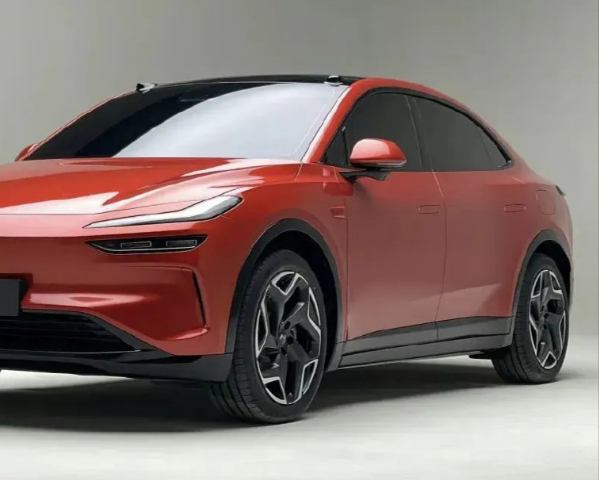
As global vehicle prices remain elevated across many markets, an increasing number of individual buyers are exploring international sourcing opportunities. Among these, China’s used vehicle export market has emerged as one of the most attractive options for consumers seeking late-model vehicles at competitive prices.
Driven by rapid domestic vehicle replacement cycles and the widespread adoption of new energy vehicles, China now offers a large inventory of both used electric vehicles (EVs) and traditional fuel-powered vehicles (ICE). For personal buyers, this creates access to newer models, advanced technology, and potentially significant cost savings compared to local market alternatives.
However, successful vehicle importing requires more than simply finding a low purchase price. Buyers must understand vehicle suitability, import regulations, logistics costs, and long-term ownership considerations before making a decision.
Understanding China’s Expanding Used Vehicle Export Market
China’s automotive industry has undergone significant transformation over the past decade. As consumers increasingly upgrade to newer vehicles, large numbers of relatively young used cars enter the secondary market each year.
This trend has created substantial export opportunities for international buyers.
Unlike many mature automotive markets, where used vehicles often remain in service for extended periods, Chinese consumers tend to replace vehicles more frequently. As a result, overseas buyers can often access well-maintained vehicles with modern safety systems, advanced infotainment technology, and detailed maintenance histories.
For personal buyers, the market now offers two distinct categories:
- Used Electric Vehicles (EVs)
- Internal Combustion Engine (ICE) Vehicles
Choosing between them depends largely on local infrastructure, driving habits, and long-term ownership goals.
The strongest advantage of importing from China is access to relatively modern vehicles that have already experienced significant domestic depreciation while still retaining substantial service life.
Why Many Personal Buyers Still Choose Fuel-Powered Vehicles
Although electric vehicle adoption continues to accelerate worldwide, traditional fuel-powered vehicles remain a practical choice for many consumers.
No Dependence on Charging Infrastructure
One of the biggest advantages of ICE vehicles is flexibility.
Buyers living in regions with limited charging networks or unreliable electrical infrastructure often find fuel-powered vehicles easier to operate on a daily basis.
This is particularly true for:
- Rural communities
- Developing markets
- Long-distance commuters
- Regions with extreme weather conditions
Easier Maintenance and Repairs
Conventional vehicle technology remains universally supported by independent repair shops worldwide.
Unlike EVs, which may require specialized battery diagnostics and manufacturer-specific software, most mechanics are already familiar with traditional engines and transmissions.
This often results in:
- Lower repair costs
- Faster service turnaround
- Greater availability of replacement parts
Attractive Purchase Prices
As China’s domestic market shifts increasingly toward electrification, many gasoline-powered vehicles are experiencing accelerated depreciation.
For overseas buyers, this trend creates an opportunity to purchase relatively new vehicles at highly competitive prices.
In many cases, the savings achieved during acquisition can offset a significant portion of shipping and import expenses.
The Growing Appeal of Used Electric Vehicles
For buyers located in regions with mature charging infrastructure, importing a used EV may offer compelling long-term value.
Battery Health Matters More Than Mileage
Unlike conventional vehicles, the most important component of an EV is its battery pack.
Before purchasing any electric vehicle, buyers should review a detailed Battery State of Health (SOH) report.
Recommended Hyperlink Keyword: Battery State of Health (SOH)
A quality inspection should verify:
- Remaining battery capacity
- Charging cycle count
- Cell balance condition
- Historical fault codes
- Thermal management performance
A vehicle with higher mileage but excellent battery health can often outperform a lower-mileage vehicle with significant battery degradation.
Software and Connectivity Considerations
Modern EVs function as software-driven platforms.
Before importing, buyers should confirm:
- Language localization options
- Navigation compatibility
- Mobile app functionality
- Charging network compatibility
- Software update availability
Some domestically configured systems may require localization before they can operate effectively outside China.
Long-Term Cost Savings
Although EVs may carry a higher purchase price, operating costs are typically lower.
Compared with conventional vehicles, EV owners generally benefit from:
- Lower energy costs
- Reduced maintenance requirements
- Fewer moving components
- Less frequent servicing
For many buyers, these savings contribute to a lower Total Cost of Ownership (TCO) over several years of use.
Recommended Hyperlink Keyword: Total Cost of Ownership (TCO)
Key Steps in the Vehicle Import Process
Importing a vehicle for personal use involves multiple stages beyond selecting the vehicle itself.
Verify Local Import Regulations
Before making any purchase, buyers should research their country’s import requirements.
Important considerations include:
- Emissions compliance
- Vehicle age restrictions
- Safety certifications
- Customs procedures
- Registration requirements
Recommended Hyperlink Keyword: Vehicle Import Regulations
A vehicle that cannot be legally registered may become an expensive mistake regardless of its purchase price.
Choose the Appropriate Shipping Method
International vehicle transportation generally follows two primary methods.
RoRo Shipping
RoRo (Roll-on/Roll-off) shipping involves driving the vehicle directly onto a specialized vessel.
Advantages include:
- Lower transportation costs
- Efficient loading procedures
- Suitable for single-vehicle purchases
Recommended Hyperlink Keyword: RoRo Shipping
Container Shipping
Containerized transport offers additional protection during transit.
Benefits include:
- Enhanced security
- Reduced exposure to weather
- Protection from port handling damage
For higher-value vehicles, container shipping is often the preferred option despite the additional cost.
Calculate the True Landed Cost
Many first-time buyers focus only on vehicle pricing and underestimate import expenses.
A complete cost calculation should include:
- Vehicle purchase price
- Export documentation fees
- Freight charges
- Marine insurance
- Customs duties
- VAT or GST
- Local registration costs
Understanding the full landed cost helps prevent unexpected financial surprises after shipment arrives.
The Importance of Independent Vehicle Verification
Cross-border purchases naturally involve a degree of uncertainty.
For this reason, professional buyers rarely rely solely on seller descriptions or online photographs.
A comprehensive Independent Vehicle Inspection should include:
- Mechanical diagnostics
- Structural assessments
- Battery reports (for EVs)
- OBD diagnostic scans
- Mileage verification
- Service history review
Recommended Hyperlink Keyword: Independent Vehicle Inspection
This independent verification process significantly reduces purchasing risk and provides objective information for decision-making.
Finding Reliable Inventory and Export Support
The most challenging aspect of international vehicle sourcing is often identifying trustworthy inventory and reliable logistics partners.
Many buyers begin by researching market trends and comparing available vehicles before narrowing their options.
Specialized export platforms such as UsedEVChina help simplify the process by combining vehicle sourcing, inspection coordination, export documentation, and international shipping support into a single workflow.
For personal buyers unfamiliar with international procurement, this centralized approach often reduces complexity while improving transparency throughout the transaction.
Conclusion
China’s used vehicle export market offers personal buyers access to a diverse range of modern electric and fuel-powered vehicles at competitive prices. Whether prioritizing the convenience of a traditional ICE vehicle or the long-term efficiency of an EV, buyers now have more options than ever before.
The key to a successful purchase is not simply finding the lowest price. Careful evaluation of battery condition, regulatory requirements, shipping costs, and total ownership expenses ultimately determines whether an imported vehicle delivers genuine value.
By relying on verified inspection data, understanding local import requirements, and working with transparent sourcing channels, personal buyers can confidently navigate the growing international market for used vehicles from China.