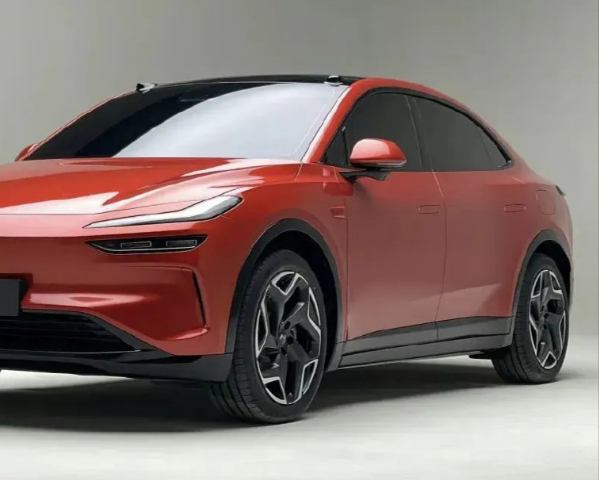
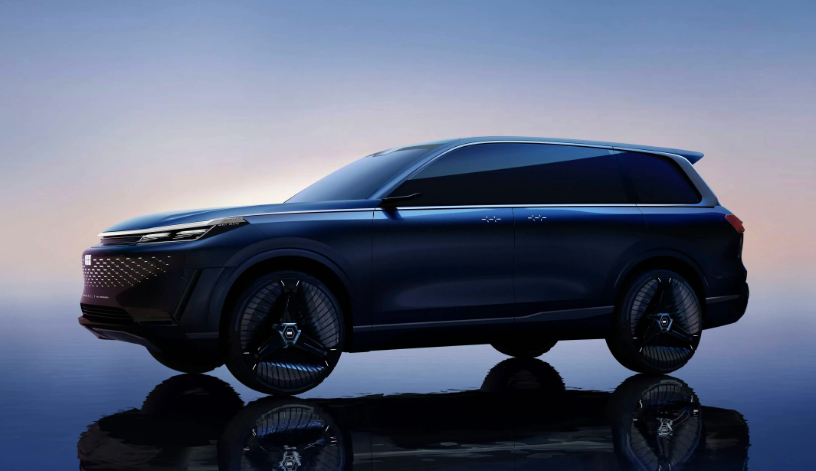
As global vehicle prices remain elevated and supply constraints continue to affect many regional markets, an increasing number of consumers are exploring international sourcing opportunities. Among the most significant developments is the continued growth of China’s used vehicle export sector, which now provides individual buyers with access to a wide selection of late-model vehicles at competitive prices.
However, choosing the right vehicle requires more than simply comparing purchase prices. For most personal buyers, reliability, maintenance accessibility, operating costs, and long-term ownership experience remain the primary considerations.
In 2026, the most successful buyers are not necessarily purchasing the newest technology available. Instead, they are selecting vehicles that align with their local infrastructure, driving habits, and long-term transportation needs.
Understanding the Current Used Vehicle Export Market
China’s automotive market has undergone rapid transformation over the past decade. As domestic consumers increasingly upgrade to newer models, substantial numbers of well-maintained vehicles enter the secondary market each year.
This creates an opportunity for overseas buyers to access vehicles that often feature:
- Modern safety technologies
- Advanced driver assistance systems
- Comprehensive maintenance records
- Lower mileage than comparable imports
- Competitive pricing due to domestic depreciation
For individual buyers, the key question is no longer whether quality vehicles are available, but rather which vehicle type offers the best balance of practicality and value.
Why Traditional Fuel-Powered Vehicles Continue to Make Sense
Although electric vehicles receive considerable media attention, conventional fuel-powered vehicles remain the most practical choice for many international buyers.
Infrastructure Independence
One of the strongest advantages of internal combustion engine (ICE) vehicles is their ability to operate without specialized charging infrastructure.
For buyers living in:
- Rural regions
- Developing markets
- Remote communities
- Areas with unstable electrical grids
fuel-powered vehicles often provide greater convenience and flexibility.
Unlike EV ownership, long-distance travel does not require route planning around charging availability.
Familiar Maintenance and Repair Networks
Another major advantage is the maturity of the global service ecosystem.
Gasoline-powered vehicles utilize technologies that mechanics worldwide have serviced for decades.
This provides buyers with:
- Easier access to repairs
- Lower maintenance complexity
- Wider availability of replacement parts
- Reduced dependence on manufacturer-specific software
For many consumers, this familiarity translates directly into lower ownership risk.
Strong Value in the Export Market
As China’s domestic market increasingly favors new energy vehicles, depreciation rates for many conventional vehicles have accelerated.
As a result, international buyers can often acquire relatively modern SUVs and sedans at prices significantly below those found in their local markets.
For budget-conscious buyers, this pricing advantage remains one of the strongest arguments for importing a used fuel-powered vehicle.
Evaluating Used Electric Vehicles
For buyers living in cities or regions with mature charging networks, used electric vehicles can offer compelling long-term benefits.
However, evaluating an EV requires a different approach than evaluating a traditional vehicle.
Battery Health Should Be the Primary Focus
Mileage is not the most important indicator of an EV’s condition.
Instead, buyers should request a detailed Battery State of Health (SOH) report before making a purchasing decision.
Recommended Hyperlink Keyword: Battery State of Health (SOH)
Important battery metrics include:
- Remaining capacity
- Charging cycle count
- Cell voltage balance
- Fast-charging history
- Thermal management performance
These factors provide a much clearer picture of future usability than odometer readings alone.
Prioritize LFP Battery Technology
Many of the most reliable Chinese EVs utilize LFP Battery Technology.
Recommended Hyperlink Keyword: LFP Battery Technology
Compared with older battery chemistries, LFP batteries generally offer:
- Longer cycle life
- Improved thermal stability
- Reduced degradation rates
- Lower risk of overheating
For buyers planning long-term ownership, these characteristics can significantly improve value retention.
Consider Software Compatibility
Modern EVs function as connected digital platforms as much as transportation devices.
Before importing, buyers should verify:
- Language localization availability
- Navigation compatibility
- Mobile app support
- Software update accessibility
- Charging network integration
Certain domestic Chinese applications may not operate outside their original market without modification.
Understand Service Availability
Although EVs contain fewer moving mechanical components, repairs involving battery systems or vehicle electronics often require specialized equipment and trained technicians.
Before importing an EV, buyers should confirm that qualified service providers exist within their region.
Vehicle Condition Verification Matters More Than Vehicle Type
Regardless of whether the vehicle is electric or fuel-powered, proper inspection remains critical.
A high-quality inspection can reveal issues that may not be visible in photographs or basic sales listings.
Structural Integrity Assessment
Buyers should prioritize vehicles that demonstrate:
- No major accident history
- No flood damage
- No structural frame repairs
- Consistent factory paint measurements
Professional inspections frequently include paint thickness reports and chassis evaluations that help verify the vehicle’s condition.
Interior Condition as a Usage Indicator
The cabin often provides valuable insight into previous ownership habits.
Particular attention should be given to:
- Driver seat wear
- Steering wheel condition
- Pedal wear
- Control switch usage
- Dashboard integrity
Well-preserved interiors typically indicate responsible ownership and careful maintenance.
Verify Export Eligibility
Vehicles approved for export generally undergo regulatory and technical reviews before leaving China.
Buyers should ensure all required documentation is available, including:
- Ownership verification
- Export clearance records
- Maintenance history
- Inspection reports
Recommended Hyperlink Keyword: Vehicle History Inspection
Transparent documentation significantly reduces purchasing risk and improves buyer confidence.
Building a Smart Personal Import Strategy
Importing a vehicle is ultimately a balance between acquisition cost and long-term ownership realities.
Many successful buyers begin by evaluating three key questions:
- Is local charging infrastructure sufficient for EV ownership?
- Are qualified repair facilities available nearby?
- What are the total import and operating costs over several years?
Answering these questions often clarifies whether an electric or fuel-powered vehicle represents the better option.
Think Beyond Purchase Price
The lowest-priced vehicle is not always the best value.
A smarter approach is to evaluate:
- Reliability
- Maintenance requirements
- Parts availability
- Fuel or electricity costs
- Expected resale value
This broader perspective often leads to better long-term ownership outcomes.
Finding Reliable Inventory
Once buyers understand their local regulations and transportation requirements, the next step is reviewing available inventory.
Specialized export platforms such as UsedEVChina simplify the process by combining vehicle sourcing, inspection coordination, export documentation, and international logistics support.
Whether you are searching for a dependable gasoline-powered SUV, an economical city sedan, or a battery-electric vehicle for daily commuting, working with a transparent sourcing platform can significantly reduce complexity and improve purchasing confidence.
Conclusion
The 2026 used vehicle export market offers individual buyers more choices than ever before. China’s extensive inventory of fuel-powered and electric vehicles provides access to modern transportation solutions at attractive price points.
For many consumers, traditional ICE vehicles continue to deliver unmatched convenience, maintenance simplicity, and infrastructure independence. For others, particularly those living in regions with mature charging networks, used EVs can provide meaningful long-term operating savings.
The most successful buyers focus on verified vehicle condition, transparent documentation, realistic ownership costs, and practical suitability rather than marketing trends alone. By taking a methodical approach and relying on objective inspection data, individuals can confidently navigate the growing market for used vehicles from China and secure transportation that delivers genuine long-term value.