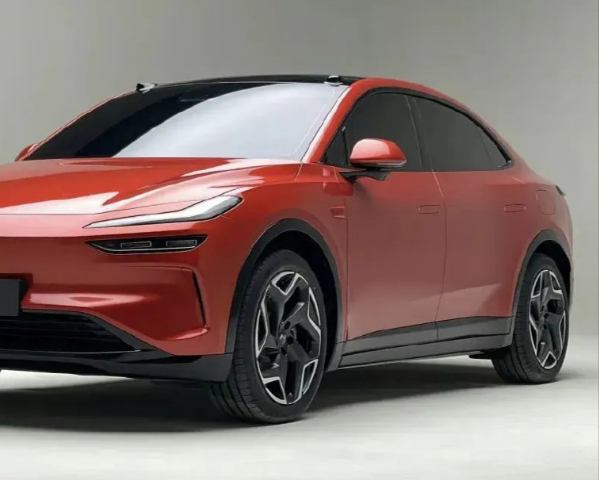
Executive Summary The global automotive trade is experiencing a profound structural shift, with the export of used vehicles from China emerging as an increasingly influential variable in international logistics. This detailed industry analysis examines the current landscape of the cross-border market, focusing on the parallel market entry of electric vehicles and the sustained, structural operational advantages of traditional fuel-powered cars.
The Foundation of the Export Market
Over the past three decades, China’s automotive industry has built an expansive and comprehensive manufacturing, distribution, and maintenance infrastructure. This massive industrial foundation now serves as the primary engine behind a rapidly growing export market for pre-owned passenger and commercial vehicles.
For international automotive procurement managers and dealerships who closely monitor used car news, the Chinese market presents an unprecedentedly diverse inventory that caters to various regional regulatory, climatic, and economic demands. While mainstream global media attention frequently focuses on the rapid domestic development of new energy vehicles, practical cross-border customs data indicates a much more balanced and infrastructure-dependent market reality.
Electric Vehicles: A Developing Segment
Electric vehicles (EVs) are gradually establishing their presence in specific international markets, driven primarily by regions undergoing rapid legislative shifts toward decarbonization. The inherent appeal of used electric vehicles lies in their updated technology integration, advanced driver-assistance systems, and lower operational emissions when compared to older internal combustion engine equivalents.
International territories possessing highly developed charging networks and stable municipal power grids are beginning to integrate these pre-owned vehicles into localized fleets. However, cross-border buyers interested in this technological sector must navigate a complex set of evaluation criteria. Unlike traditional vehicles, the valuation of a pre-owned EV is fundamentally tied to its battery health state and software upgrade compatibility. Tracking international electric vehicle export trends has become a necessary operational practice, providing global buyers with the raw technical data required to make informed purchasing decisions.
Traditional Fuel Cars: The Core Advantage
Despite the steady growth of the electric vehicle sector, traditional fuel-powered cars continue to represent the core advantage and the vast majority of volume within the used car export market. For a significant percentage of destination markets worldwide—most notably across Central Asia, Africa, Eastern Europe, and South America—the physical and economic infrastructure required to support a large-scale transition to electric mobility remains in the early stages of a multi-decade development cycle.
In these operating environments, gasoline and diesel vehicles offer immediate, non-negotiable practicality. The established global supply chain for traditional fuel-powered vehicles is mature, and this maturity translates directly into critical, structural benefits for international buyers.
Key Structural Benefits of Fuel Vehicles:
- Unmatched Spare Parts Availability: Because internal combustion engines share basic mechanical blueprints globally, the availability of aftermarket and original equipment manufacturer spare parts is extensive, highly standardized, and affordable. Maintenance and complex mechanical repairs can be executed efficiently in almost any localized workshop.
- Proven Mechanical Reliability: Traditional fuel cars possess mechanical systems that have been rigorously tested and optimized over decades of operational exposure to diverse climates, unpaved terrains, and variable fuel qualities.
- Simplified International Freight: The logistics channels for shipping gasoline and diesel vehicles are highly streamlined. Traditional vehicles do not face the strict maritime hazardous materials classifications or the complex battery safety certifications associated with the ocean transport of large lithium-ion battery packs.
Consequently, the traditional fuel car export sector continues to see sustained volume increases and consistent, predictable consumer demand.
Accessible Procurement for Diverse Buyers
A defining characteristic of the contemporary Chinese vehicle export ecosystem is its deliberate transition toward complete accessibility for a diverse spectrum of global buyers. The entire procurement, quality inspection, and maritime shipping pipeline has evolved away from rigid, legacy trade structures to seamlessly serve both high-volume corporate entities and small-scale independent importers.
For corporate clients, such as franchised dealerships and regional fleet operators, the procurement focus remains fixed on consistent quality benchmarks, wholesale bulk pricing structures, and highly predictable maritime logistics pipelines. Dealerships require dependable sourcing partners capable of continuously replenishing their local showrooms.
Conversely, individual buyers approach the market with a distinct set of priorities. They focus on transparent vehicle histories, straightforward localized customs documentation support, and flexible, single-unit shipping arrangements. A modern, structured vehicle sourcing platform directly resolves these divergent market requirements by offering fully scalable and adaptive trade services.
Looking ahead, the long-term trade dynamic between electric vehicles and traditional fuel cars will fluctuate based on the speed of regional infrastructure investments. However, the foundational global reliance on fuel-powered vehicles will persist as a dominant commercial reality for the foreseeable future. By leveraging transparent supply chains and accurate cross-border market data, international automotive purchasers can successfully mitigate risk and maximize capital efficiency across all aspects of vehicle acquisition.