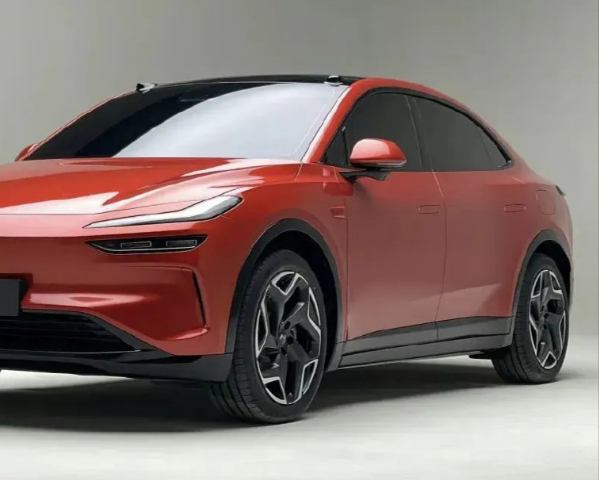
Executive Summary Executing a successful, legally compliant, and cost-effective cross-border procurement operation for used vehicles requires a highly methodical approach and a comprehensive understanding of international supply chain mechanics. This practical guide provides a breakdown of the necessary phases required to establish a streamlined, reliable vehicle sourcing operation for both enterprise and individual buyers.
Phase 1: Strategic Demand Assessment
The initial phase of any automotive procurement initiative involves a thorough analysis of the destination country’s operational environment and legal import frameworks. Buyers must make an informed decision between entering the electric vehicle segment or sourcing traditional internal combustion engine vehicles.
While analyzing global EV market insights indicates an increase in consumer curiosity regarding alternative propulsion, concrete local infrastructure realities must dictate final capital allocation. For the vast majority of international destination regions, traditional fuel-powered vehicles continue to maintain a clear, structural advantage. Their total independence from public charging networks and specialized battery diagnostic systems makes them a highly pragmatic choice. Furthermore, the long-term operational viability of fuel cars is secured by the universal presence of mechanical repair knowledge and the immediate availability of standard replacement components.
Phase 2: Sourcing Channel Evaluation
Once the baseline vehicle specifications, engine types, and emissions compliance standards are established, buyers must align with an authorized supply channel. The modern export industry has restructured its operational pathways to efficiently accommodate vast differences in procurement scale.
For high-volume enterprise buyers and fleet logistics managers, the sourcing strategy must prioritize long-term supply continuity and predictable pipeline flows. Partnering with an organized, transparent B2B vehicle supply chain grants corporate procurement teams direct access to high-volume trade inventories, standardized vehicle condition reports, and pre-negotiated maritime shipping schedules.
Conversely, independent individual buyers operate under a different framework characterized by precise, unit-by-unit selection. The expansion of digital trade platforms and flexible ocean freight options has made the direct importation of single vehicles highly accessible. Independent buyers must place their primary focus on verifying unalterable physical vehicle history records and securing end-to-end documentation support. Utilizing a fully diversified comprehensive vehicle export service designed to handle various volume accounts ensures that all purchasers are protected from administrative complexities.
Phase 3: Technical Quality Assurance and Auditing
International vehicle sourcing operations cannot rely on basic visual inspections. Objective, verifiable mechanical and structural auditing is the cornerstone of risk reduction in cross-border trade. Importers should systematically demand standardized, multi-point inspection certifications before authorizing any financial transfers.
For traditional internal combustion vehicles, the technical audit must comprehensively cover engine diagnostic logging, drivetrain and transmission auditing, and structural chassis verification to rule out past accident repairs. When acquiring electric vehicles, the technical focus shifts toward advanced electronics, specifically verifying the battery state of health and software localization compatibility with the destination country.
Phase 4: Maritime Logistics Execution
The final phase of the procurement workflow bridges the gap between physical vehicle ownership and cross-border delivery. Vehicles earmarked for export are predominantly transported via two distinct maritime shipping modalities: Roll-on/Roll-off (RoRo) specialized vessels or standardized ocean freight containers.
RoRo shipping is highly efficient for high-volume commercial vehicle consignments, as cars are driven directly onto the vessel’s internal decks, maximizing space allocation. Containerized shipping provides an alternative layer of security, completely isolating the vehicle from environmental exposure during ocean transit. Container shipping also allows buyers to consolidate multiple vehicles or secure high-demand mechanical spare parts within the same shipping unit.
To prevent border delays, buyers must ensure their sourcing partner provides an immaculate, legally integrated documentation package. This portfolio typically includes the original Bill of Lading, a fully compliant Commercial Invoice, a meticulous Packing List, and the official Certificate of Origin. By maintaining strict compliance with these operational phases, international automotive stakeholders can execute highly efficient vehicle import programs.