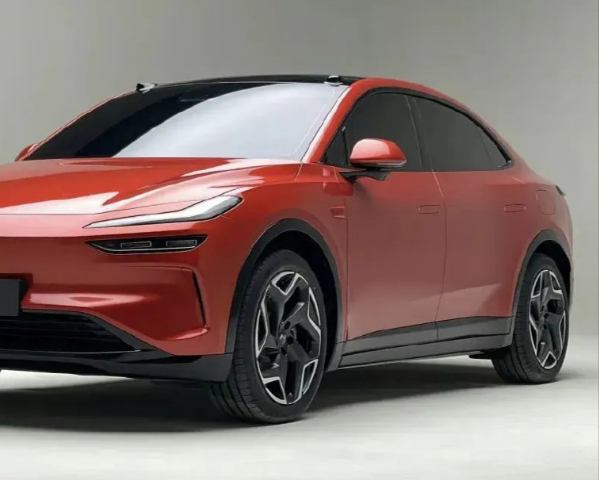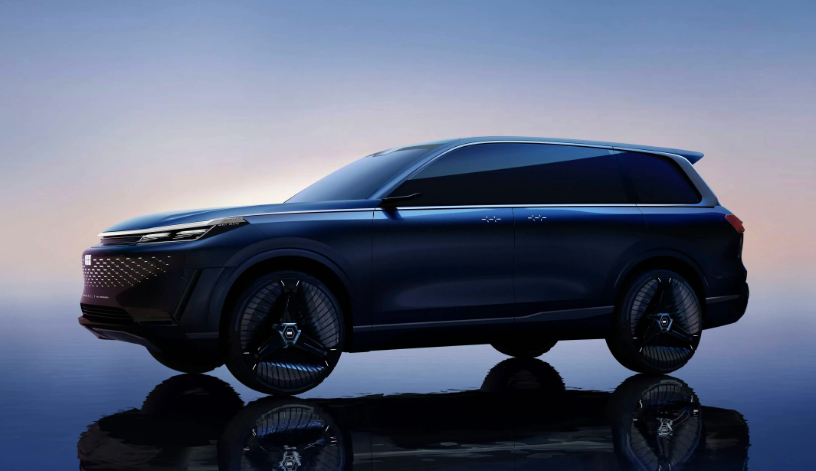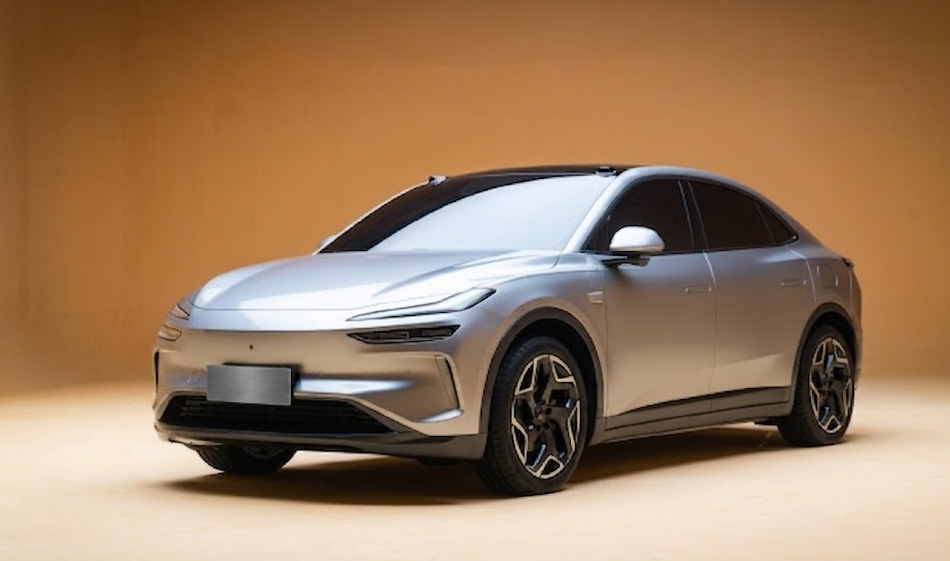
Importing vehicles from China is a highly rewarding venture, offering access to high-quality, cost-effective automotive assets. However, buyers often have critical questions regarding the process, regulations, and logistics. Below is our comprehensive FAQ designed to provide absolute clarity for both enterprise dealerships (B2B) and individual purchasers (B2C) looking to import used vehicles, with a special focus on high-demand fuel-powered cars.
1. Can both individual buyers (B2C) and enterprise dealerships (B2B) buy used cars from your platform? Absolutely. Our export services are designed to accommodate the entire spectrum of global buyers. For B2B enterprise clients, such as local car dealerships or fleet operators, we provide bulk sourcing, wholesale pricing structures, and scalable logistics via Ro-Ro vessels. We act as your dedicated procurement arm in China. Simultaneously, we welcome B2C individual buyers. If you are a consumer looking to import a single vehicle for personal use, we facilitate the transaction with zero minimum order quantities (MOQ). We handle the complex export procedures, making the international purchase as straightforward as possible for individuals.
2. What types of used vehicles do you primarily export? Are fuel-powered cars still available? While China is famous for its EV production, our core business heavily emphasizes traditional fuel-powered cars (Internal Combustion Engine – ICE vehicles). We recognize that in many global markets, fuel cars remain the most practical, reliable, and sought-after option due to existing infrastructure. We source a vast array of high-quality used fuel sedans, SUVs, pickup trucks, and commercial vehicles. We also supply used electric vehicles (EVs) upon request, but our primary expertise and inventory focus on delivering top-tier fuel vehicles.
3. How do you guarantee the quality and condition of the used vehicles before shipping? Quality assurance is our highest priority. Before any vehicle is cleared for export, it undergoes a mandatory, government-standardized inspection by independent third-party testing agencies. This inspection covers:
- Mechanical Integrity: Engine performance, transmission testing, and exhaust emissions.
- Structural Safety: Chassis checks to ensure no structural damage, welding, or major accident history.
- Historical Verification: We reject any vehicles with a history of flood damage or severe collisions. Only vehicles that pass this rigorous diagnostic process are approved, detailed, and prepared for international shipping.
4. What are the shipping methods, and how long does delivery take? We utilize two main shipping methods depending on your order size and destination:
- Ro-Ro (Roll-on/Roll-off): Ideal for B2B bulk orders. Cars are driven onto a specialized ship. This is cost-effective for large volumes.
- Container Shipping: Ideal for B2C single-unit purchases or smaller B2B orders. Vehicles are securely loaded into 20ft or 40ft containers, providing maximum protection from weather during transit. Transit times vary widely by destination. Generally, shipping to Central Asia or Eastern Europe via railway can take 15-25 days. Maritime shipping to the Middle East, Africa, or South America typically ranges from 30 to 45 days.
5. What documentation do you provide for customs clearance in my country? We provide a comprehensive set of export documents to ensure smooth customs clearance at your destination port. Standard documentation includes:
- Commercial Invoice
- Packing List
- Bill of Lading (B/L) or Railway Waybill
- Certificate of Origin (if required)
- Vehicle Export License & De-registration Certificate from China It is important that buyers verify their local import regulations (such as age limits on used cars or specific emission standards) with a local customs broker before placing an order.
6. What are the standard payment terms for cross-border vehicle transactions? For secure and transparent transactions, we operate via standard international trade payment terms. Typically, this involves a Telegraphic Transfer (T/T), requiring a 30% deposit upon order confirmation and vehicle allocation. The remaining 70% balance is strictly required before the vehicle is loaded onto the vessel, or against the copy of the Bill of Lading, depending on the specific contract terms. For large-scale B2B enterprise orders, Letters of Credit (L/C) at sight may be negotiable.