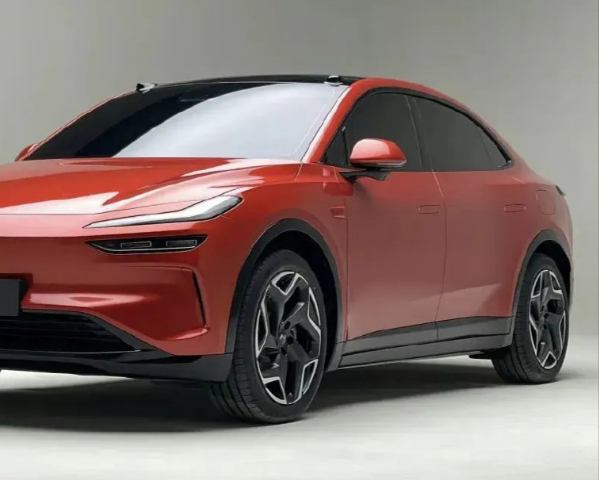
The global market for pre-owned electric vehicles isn’t merely expanding; it’s fundamentally rewriting the rules of cross-border automotive trade, depreciation curves, and buyer confidence. In the first half of 2026, transaction volumes for used EVs surged by roughly 27% year-over-year, with Chinese-made models capturing an unprecedented share. This isn’t a temporary blip on the radar. It reflects a deep, structural shift in how supply, pricing, and international demand interact.
For B2B buyers and exporters, the pressing question is no longer whether used EVs will hold their value. It’s about understanding exactly which models are moving the fastest, and the underlying reasons why.
The Flood of Off-Lease Inventory
A massive wave of three- and four-year-old electric cars is hitting the secondary market simultaneously, forcing prices into genuinely attractive territory. Many of these vehicles come from corporate fleets, early-adopter leases, and rental companies cycling out their first-generation EV inventories. In Europe alone, fleet offloading added an estimated 180,000 used EVs to the market in the last quarter. In China, the domestic resale pipeline is even deeper, driven by rapid model refresh cycles and aggressive new-car incentives that push trade-ins to record highs.
The immediate impact is striking. A BYD Atto 3 with 35,000 km can now be sourced for around 40% less than its original sticker price in key export markets. A NIO ES6, once viewed as a premium outlier, is now moving at price points that directly undercut used internal-combustion SUVs from legacy German brands.
Transparency as the Demand Unlock
What sets this current market cycle apart is the radical improvement in data transparency. Independent battery state-of-health reports, once a niche offering, have become standard paperwork for cross-border B2B deals. Buyers are no longer guessing about long-term battery degradation—they are negotiating with hard numbers in hand.
This transparency directly tackles the single biggest fear in the sector: buying a degraded battery that turns a seemingly good deal into a massive money pit. With SOH readings regularly showing 90–94% on three-year-old vehicles equipped with liquid-cooled packs, that fear is evaporating. Commercial importers in Southeast Asia, the Middle East, and Eastern Europe are now far more comfortable stocking Chinese pre-owned EVs. Many report that the average time-to-sale for a used BYD or Wuling in their local markets has dropped below 20 days.
Seller Urgency and the Rise of Visual Trust
On the flip side, sellers face intense pressure to move inventory quickly. Continuous new model launches put downward pressure on used values, particularly for vehicles with older LFP chemistries or first-generation driver-assist hardware. Sitting on inventory is no longer a viable strategy. Pricing units to move within a two-week window is now the defining difference between a profitable quarter and a stale, ignored listing.
This urgency is forcing dealers and exporters to elevate their B2B vehicle listings. Posting a few photos and a VIN simply doesn’t cut it anymore. Detailed walkaround videos, exported battery health certificates, and honest disclosures regarding software version status are what separate the fast movers from the rest. One major B2B platform recently recorded a 40% higher inquiry rate for listings that included a 90-second video and a visible SOH report, compared to static image-only posts. Trust remains the primary bottleneck in cross-border trade, and that trust scales rapidly when documentation is both visual and verifiable.
Policy Shifts and Lowering the Entry Barrier
Government policy is playing a heavy, albeit invisible, hand in this boom. China’s export facilitation for used NEVs has transitioned from pilot programs to broader implementation, cutting customs clearance times by nearly half at major hubs like Shanghai and Guangzhou. Meanwhile, several countries in the Middle East have updated their import regulations to explicitly welcome used electric vehicles under simplified inspection protocols. These are structural changes that lower the per-unit cost of moving a car across a border, and that savings is directly priced into the bids buyers are willing to make.
We are also seeing a notable uptick in shared-container shipping options for smaller dealers who cannot fill an entire 40-foot container. This logistics model lowers the minimum order barrier, allowing a new tier of smaller importers to test the market with two or three units before scaling up. Demand is broadening beyond massive volume players, creating a much more stable pricing floor.
For international buyers, currency fluctuations are creating distinct windows of opportunity. A stronger dollar against several emerging-market currencies has made dollar-denominated EV prices look artificially high on paper. Savvy sellers are adjusting. The smartest listings right now are priced in the buyer’s preferred currency or at least display a dual-currency estimate—a minor convenience that measurably lifts conversion rates.
Infrastructure and the Ecosystem Effect
The biggest misconception right now is that strong Chinese new-car exports will cannibalize the used market. In reality, they feed each other. They create an ecosystem where a three-year-old model serves as the affordable entry point, while the new version becomes the aspirational upgrade.
This dynamic is highly visible in markets like Jordan and Thailand, where pre-owned Chinese EVs are increasingly the first electric car a family buys. The ownership experience often converts them into new-EV buyers within three years. For exporters, this means the addressable market isn’t a fixed pool; it expands as familiarity grows.
Charging infrastructure plays a massive role here. In countries where fast-charging networks have doubled over the past 18 months, used EV market dynamics have followed almost lockstep. Morocco, for instance, saw a 60% increase in DC fast-charger installations since early 2025, and used EV imports skyrocketed by over 80% in the exact same window. Range anxiety isn’t an inherent fear—it’s a math calculation. When charging becomes convenient, the calculation flips entirely in favor of EV adoption.
The road ahead will test how quickly sellers adapt to the transparency expectations that buyers now demand. Those who embrace the data, provide the documentation, and price for velocity will move metal. Those who stick to the old ways of opaque cross-border trading will simply watch the market pass them by.
Alongside our regular news and trend analysis, our platform actively connects trade buyers with available used electric vehicle inventory from China—a practical, ground-level extension of the market data we track every day.