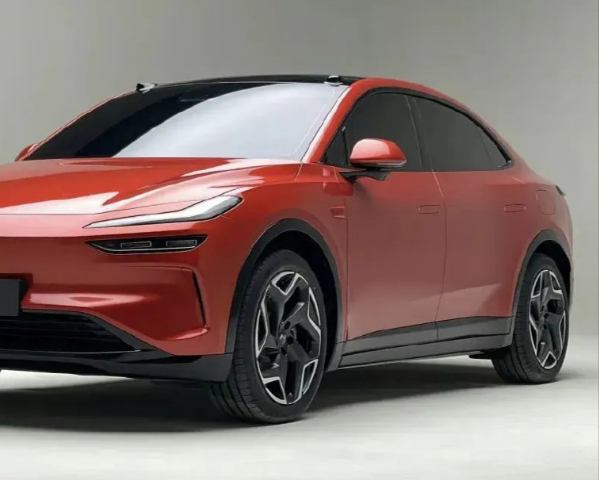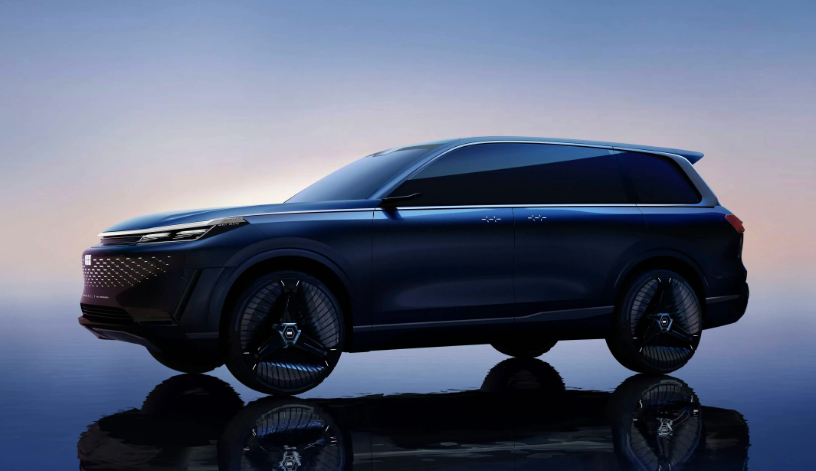
Looking to expand your dealership or fleet with affordable, tech-forward electric cars? Sourcing from China can drastically lower your acquisition costs, provided you know the right questions to ask. This FAQ addresses the real-world concerns we hear from B2B buyers every week—covering everything from battery degradation to customs paperwork. Let’s dive into the details.
Why source used electric vehicles from China instead of relying on local markets?
China operates the largest EV market globally, with over 20 million electric cars currently on the road. This massive volume naturally creates a robust secondary market. You will find well-maintained, low-mileage vehicles priced 30–50% below comparable local models. Beyond the price tag, buyers gain early access to advanced vehicle tech and battery chemistries that haven’t reached smaller markets yet. The selection is also incredibly diverse, featuring brands like BYD, NIO, XPeng, Zeekr, and Shanghai-built Teslas, many of which still carry active factory warranties.
How do I verify the battery isn’t degraded?
Battery anxiety is the top concern for any used EV buyer. The straightforward solution is to demand a professional State-of-Health (SOH) report. Never take the dashboard range estimate at face value. Instead, insist on a third-party diagnostic readout detailing cell voltage deviation, SOH percentage, and charging-cycle history. A healthy battery on a used EV typically sits above 85% SOH. Established B2B suppliers will happily provide this report alongside a cold-soak test video upon request. If a seller hesitates to share a battery health certificate, consider it a major red flag and walk away.
What documentation is required to export a used EV from China?
Every shipment needs a standard export package: the original title certificate, export customs declaration, commercial invoice, packing list, and a certificate of non-pledge (proving the car has no outstanding loans). Because these are electric vehicles, you also need a UN38.3 battery safety test report and, depending on your destination, a radiation-free certificate for the battery pack. A competent export partner will have these documents ready before the container is sealed. One pro tip: always verify the exporter’s valid export license on the Chinese Ministry of Commerce website. It takes two minutes and heavily protects your payment security.
Can I mix different models and brands in a single container?
Absolutely. Mix-and-match consolidation is standard practice for B2B buyers looking to test various models simultaneously. You can easily ship two BYD Atto 3s, a Tesla Model Y, and a NIO ET5 in one 40-foot container, provided all units are ready at the same warehouse. Mixed-load container shipping allows first-time buyers to spread risk and identify which EVs resell fastest in their local market. While each additional model might incur a small documentation fee, it is significantly cheaper than shipping vehicles separately.
What shipping methods are available, and how do the costs compare?
Most B2B clients choose between container shipping and RoRo (roll-on/roll-off). Container shipping offers maximum control—the vehicle is secured inside a dedicated container, leaving room for spare parts or charging cables. RoRo is generally cheaper for massive bulk purchases, but the car is driven onto a specialized vessel. For high-value EVs, we strongly recommend container shipping with marine insurance included. The extra $400–$600 per unit is a small price for the peace of mind. While freight rates fluctuate, a standard 40-foot container to the Middle East or Africa typically runs between $2,800 and$4,200, including port charges.
How do international B2B EV payments work?
Experienced buyers typically use a 30% deposit to confirm the order, followed by a 70% balance after a live video inspection and prior to container loading. For larger fleet orders, some suppliers accept Letters of Credit, while smaller trial orders usually go through bank transfers or secure trade-assurance platforms. Steer clear of any deal demanding 100% upfront without third-party verification. A legitimate supplier will show you the car’s VIN on a live video call, welcome independent inspectors, and provide daily progress photos during the loading phase.
Do I need to worry about my country’s import regulations?
Yes, and this is where first-time importers often stumble. Every country enforces its own age-limit rules, emissions-equivalence standards, and right-hand or left-hand drive restrictions. For used EVs specifically, certain nations require additional electrical safety homologation. We always tell buyers to share their target port and local import regulations sheet early on. Our documentation team then tailors the export paperwork to perfectly match your customs requirements. Taking this step prevents costly storage fees at the destination port.
What kind of after-sales support can I expect for used EVs?
Buying used doesn’t mean you’re left in the dark. A solid B2B program should include a basic used EV after-sales warranty on the powertrain and battery—usually 3 to 6 months with a mileage limit—plus access to replacement parts. If a fault occurs, critical components like onboard chargers, DC-DC converters, and battery modules should be sourced and shipped within 48 hours. Ensure your supplier stocks spare parts locally rather than ordering them from the factory on demand. That time lag can quickly erode your customer’s confidence.
Can I buy a single used EV without a dealership?
While our primary focus is B2B, we maintain a curated inventory of ready-to-ship units that work well for private buyers and small businesses. If you keep an eye on our inventory page, you might find a single-unit deal that fits your garage, backed by the same transparency we offer wholesale clients. If you only need one vehicle, reach out anyway. We can occasionally slot it into a shared container.
How do I get an accurate quote instead of a generic price list?
Share your wishlist—model, budget range, preferred battery SOH, and destination port. We will return a detailed proforma invoice within one business day. This invoice breaks down the exact vehicle, its inspection report, loading timeline, and shipping costs with zero hidden fees. Starting with a concrete quote turns a rough idea into an actionable plan, and it costs you nothing.