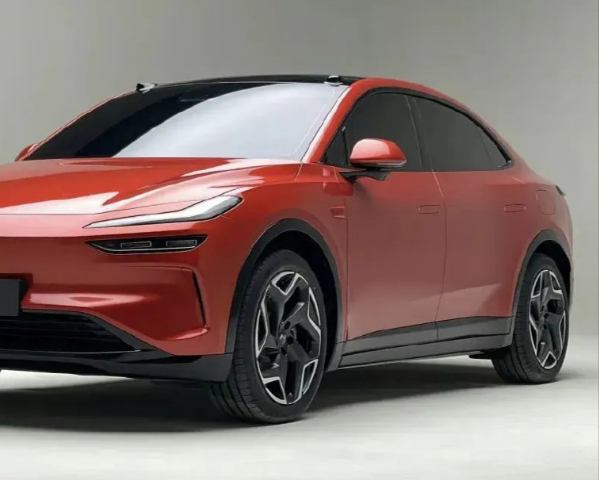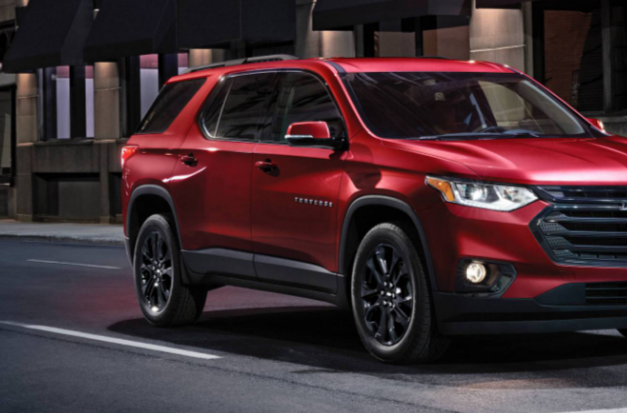
The global used electric vehicle market has entered a new phase of maturity. Instead of simply expanding inventory, automotive wholesalers, dealerships, leasing companies, and fleet operators are increasingly focused on improving profitability through smarter sourcing, better battery evaluation, and more efficient inventory management.
Unlike traditional gasoline vehicles, the value of a pre-owned EV depends on much more than mileage or appearance. Battery performance, charging history, software support, and digital diagnostics now play an equally important role in determining resale value. For businesses planning long-term growth, understanding these factors is essential for reducing risk and improving return on investment.
Battery Health Has Become the Foundation of Every Purchase
Every professional buyer knows that the battery pack represents the largest portion of an electric vehicle’s value. As a result, evaluating battery condition should be the first step in every procurement decision.
Instead of relying solely on visual inspections or odometer readings, successful dealers now request detailed battery State of Health (SoH) reports before purchasing inventory. These reports provide measurable information about remaining battery capacity, charging cycles, thermal management history, and expected long-term performance.
Vehicles with strong battery health not only attract buyers more quickly but also experience fewer warranty claims and customer complaints after delivery. Standardizing battery diagnostics throughout your purchasing process creates greater pricing transparency while helping your business establish long-term credibility with both suppliers and customers.
Improve Inventory Turnover Through Better Vehicle Classification
Inventory turnover has become one of the most important performance indicators for EV dealerships. Holding vehicles for extended periods increases financing costs while exposing inventory to changing market conditions.
Rather than treating every electric vehicle equally, many successful businesses classify inventory according to customer demand.
For example:
- Long-range EVs with DC fast charging appeal to commercial fleets and business travelers.
- Compact city EVs are attractive to urban commuters and first-time buyers.
- Premium electric SUVs often perform well in executive leasing and corporate fleet programs.
Providing detailed information such as charging speed, remaining battery capacity, software version, and warranty eligibility helps customers make faster purchasing decisions while reducing sales negotiations.
A transparent listing supported by verified technical data typically converts more efficiently than one based only on price.
Direct Procurement Creates Better Margins
Many experienced wholesalers are reducing dependence on multiple intermediaries and moving toward direct sourcing strategies.
Purchasing through trusted suppliers with established inspection standards allows businesses to secure higher-quality inventory while improving gross margins. More importantly, professionally inspected vehicles require less reconditioning before resale, reducing both labor costs and delivery time.
Reliable sourcing partners can also provide standardized documentation, making it easier to scale purchasing operations as demand increases.
For growing dealerships, building stable procurement channels often produces greater long-term value than simply negotiating lower purchase prices on individual vehicles.
Digital Records Increase Customer Confidence
Today’s buyers expect more than a clean vehicle—they expect proof.
Providing complete vehicle documentation, including battery health reports, service history, charging records, inspection certificates, and software maintenance information helps eliminate uncertainty during the purchasing process.
For commercial customers purchasing multiple vehicles, digital documentation significantly reduces due diligence time while supporting internal procurement requirements.
This level of transparency has become an important competitive advantage, especially as international buyers increasingly require standardized vehicle documentation before completing transactions.
Monitor Market Trends Before They Affect Inventory Value
The used EV market continues to evolve alongside government incentives, charging infrastructure expansion, and new model launches.
Businesses should continuously monitor:
- Changes in EV subsidy programs
- Battery technology improvements
- Residual value trends
- Manufacturer software support
- Regional charging infrastructure development
Staying informed allows dealerships to adjust purchasing strategies before market conditions shift.
For example, a new generation of vehicles offering significantly faster charging speeds may reduce demand for older models that lack comparable capabilities. Understanding these trends early enables businesses to optimize inventory mix and avoid unnecessary depreciation.
Diversification Reduces Business Risk
Successful dealerships rarely concentrate inventory within a single vehicle category.
Maintaining a balanced portfolio—including passenger EVs, electric SUVs, commercial vans, and fleet vehicles—helps reduce exposure to fluctuations in individual market segments.
Likewise, sourcing inventory across multiple manufacturers provides greater flexibility when consumer preferences change or software support policies evolve.
Diversification also enables businesses to serve a wider customer base while improving inventory turnover throughout different market cycles.
Data-Driven Procurement Is Becoming the Industry Standard
The secondary EV market is no longer driven primarily by intuition or traditional vehicle appraisal methods.
Today’s leading automotive businesses rely on EV battery diagnostics, digital inspection reports, software verification, and standardized quality assessments to guide procurement decisions.
This data-driven approach reduces uncertainty, improves pricing accuracy, and builds stronger relationships throughout the supply chain.
As electric vehicle adoption continues to accelerate worldwide, businesses that invest in standardized evaluation procedures, transparent reporting, and reliable sourcing partnerships will be better positioned to compete in an increasingly sophisticated marketplace.
Ultimately, profitability in the used EV industry is no longer determined simply by buying low and selling high. It comes from making informed purchasing decisions, managing inventory efficiently, and providing customers with the confidence that every vehicle has been professionally evaluated before it reaches the market.