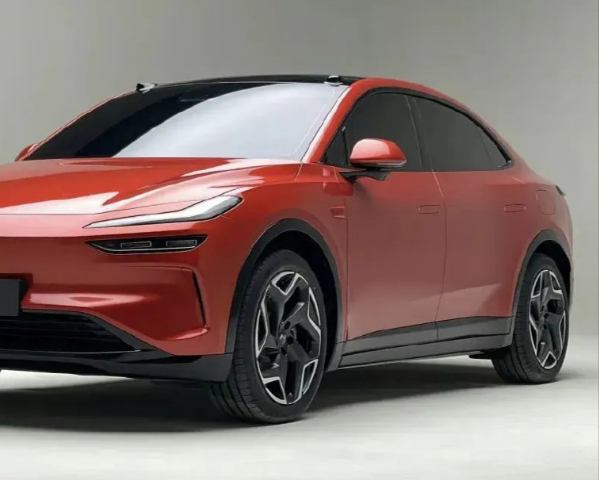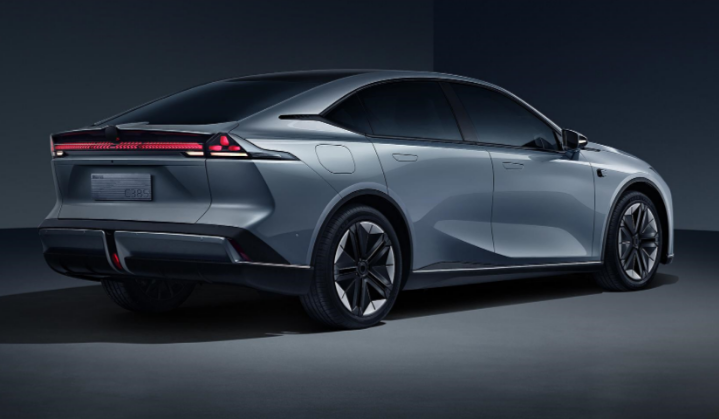
The global automotive industry continues to evolve rapidly in 2026. Rising fuel costs, expanding charging infrastructure, and significant improvements in battery technology have fundamentally changed how consumers and businesses evaluate vehicle ownership. Rather than viewing electric vehicles (EVs) as an emerging technology, buyers increasingly see them as a practical, long-term transportation solution.
One of the most notable developments this year is the growing demand for pre-owned electric vehicles. Thanks to increasing supply from lease returns, corporate fleet renewals, and trade-ins, buyers now have access to a wider selection of high-quality used EVs than ever before. Combined with improved battery durability and transparent vehicle diagnostics, the secondary EV market has become one of the strongest value opportunities in the automotive industry.
Whether you’re purchasing your first EV or expanding a commercial fleet, understanding today’s market trends can help you make a more informed investment.
Why the Economics of EV Ownership Have Changed
The total cost of vehicle ownership is no longer determined solely by the purchase price.
Modern buyers increasingly evaluate long-term operating expenses, including:
- Energy costs
- Vehicle maintenance
- Insurance
- Depreciation
- Service requirements
- Resale value
For many drivers, electric vehicles offer clear advantages in several of these categories.
Although electricity prices vary by region, charging costs generally remain more predictable than gasoline prices, making long-term budgeting easier for both households and businesses.
Additionally, EVs have fewer moving mechanical components than conventional internal combustion engine (ICE) vehicles, reducing routine maintenance requirements over time.
A Growing Supply of High-Quality Used EVs
One of the biggest advantages for buyers in 2026 is inventory availability.
Thousands of electric vehicles are entering the secondary market through:
- Lease expirations
- Fleet replacement programs
- Corporate vehicle upgrades
- Manufacturer certified pre-owned programs
Many of these vehicles are only two to four years old and include technologies that remain highly competitive with new models.
Features commonly available include:
- Long driving range
- Advanced driver assistance systems (ADAS)
- OTA (Over-the-Air) software updates
- Fast DC charging capability
- Intelligent battery thermal management
- Connected infotainment platforms
Purchasing these vehicles allows buyers to access premium technology while avoiding the higher depreciation associated with brand-new vehicles.
Battery Technology Has Become More Reliable
Battery longevity remains one of the most important considerations when purchasing a used EV.
Fortunately, battery technology has improved significantly over the past several years.
Modern battery systems now include:
- Advanced thermal management
- Improved battery chemistry
- More intelligent Battery Management Systems (BMS)
- Enhanced charging optimization
- Longer manufacturer warranties
These developments help reduce battery degradation while extending vehicle lifespan.
As a result, many late-model used EVs continue to deliver excellent driving range and reliable daily performance.
Battery Health Should Always Be Verified
Regardless of vehicle age, buyers should request a detailed battery diagnostic report before completing a purchase.
A comprehensive inspection should include:
- Battery State of Health (SoH)
- Remaining capacity
- Charging history
- Fast-charging frequency
- Battery warranty status
- BMS diagnostic information
Battery health provides a much more accurate indication of long-term vehicle value than mileage alone.
Professional dealers increasingly provide certified battery reports as part of the purchasing process, improving transparency and buyer confidence.
Charging Infrastructure Continues to Expand
Charging availability has improved substantially across many international markets.
Public charging networks now offer:
- Higher charging speeds
- Expanded geographic coverage
- Improved reliability
- Better route planning integration
- Multiple payment options
Home charging solutions have also become more affordable and accessible.
These developments continue reducing one of the most common concerns among first-time EV buyers—charging convenience.
As charging infrastructure grows, owning a used electric vehicle becomes increasingly practical for both personal and commercial use.
Why Many Buyers Are Choosing Battery Electric Vehicles
Hybrid vehicles remain popular because they combine electric efficiency with conventional fueling flexibility.
However, many consumers are now choosing fully battery electric vehicles (BEVs) for several reasons:
- Lower operating costs
- Simplified maintenance
- Zero tailpipe emissions
- Quieter driving experience
- Instant torque
- Reduced dependence on fuel price fluctuations
Modern BEVs also offer significantly longer driving ranges than earlier generations, making them suitable for both urban commuting and longer-distance travel.
For many households, today’s electric vehicles comfortably meet daily transportation needs without compromise.
How to Choose the Right Used EV
Not every used electric vehicle delivers the same ownership experience.
Before making a purchase, buyers should evaluate several important factors.
Review Charging History
Frequent DC fast charging does not necessarily damage a battery, but understanding charging habits helps evaluate long-term battery health.
Vehicles primarily charged through slower AC home charging often experience more gradual battery aging.
Battery reports can provide valuable insight into previous charging behavior.
Verify Software Support
Modern EVs rely heavily on software.
Confirm that the manufacturer continues providing:
- OTA software updates
- Navigation improvements
- Security updates
- Battery optimization
- Infotainment enhancements
Ongoing software support helps preserve vehicle functionality and resale value.
Confirm Service History
Request complete maintenance records covering:
- Battery inspections
- Cooling system servicing
- Suspension maintenance
- Brake system inspections
- Tire replacement
- Recall completion
Comprehensive service documentation demonstrates responsible ownership while reducing future uncertainty.
Used EVs Offer Excellent Value for Fleet Operators
Commercial organizations are also recognizing the financial advantages of used electric vehicles.
Fleet managers benefit from:
- Lower acquisition costs
- Reduced operating expenses
- Predictable maintenance
- Lower energy costs
- Improved ESG performance
- Faster fleet electrification
Certified used EVs provide businesses with a cost-effective pathway toward sustainable transportation while maintaining operational efficiency.
Sustainability Is Driving Long-Term Demand
Purchasing a pre-owned electric vehicle supports environmental sustainability by extending the useful life of existing vehicles.
Benefits include:
- Reduced manufacturing emissions
- Lower raw material consumption
- Improved resource efficiency
- Reduced lifecycle carbon emissions
This circular approach aligns with global sustainability initiatives while providing economic benefits to buyers.
Many organizations now consider lifecycle sustainability alongside purchase price when making procurement decisions.
The Outlook for the EV Market in 2026
Industry experts expect the used EV market to continue expanding throughout the remainder of 2026.
Several trends support continued growth:
- Increased lease returns
- Better battery diagnostics
- Longer battery warranties
- Expanding charging infrastructure
- More certified pre-owned programs
- Continued software improvements
These developments continue increasing buyer confidence while making electric mobility accessible to a broader range of consumers and businesses.
Why This Is an Ideal Time to Transition to Electric Mobility
The electric vehicle market has reached an important stage of maturity.
Improved battery reliability, transparent vehicle diagnostics, expanding charging infrastructure, and growing availability of high-quality used electric vehicles have significantly reduced many of the barriers that once discouraged EV adoption.
Whether your priority is lowering operating costs, reducing environmental impact, or accessing advanced automotive technology at a more affordable price, the current secondary EV market offers compelling opportunities.
By selecting a well-maintained vehicle with verified Battery State of Health (SoH), complete service documentation, and ongoing manufacturer support, buyers can enjoy reliable electric mobility while maximizing long-term value.
As the automotive industry continues its transition toward electrification, certified pre-owned EVs are expected to play an increasingly important role in making sustainable transportation more affordable, accessible, and practical for drivers around the world.