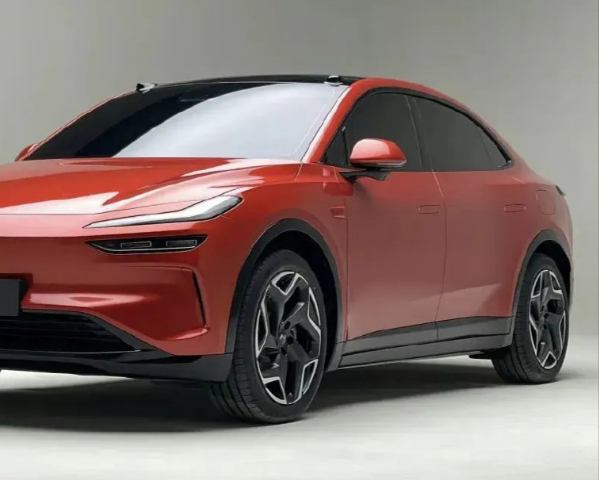
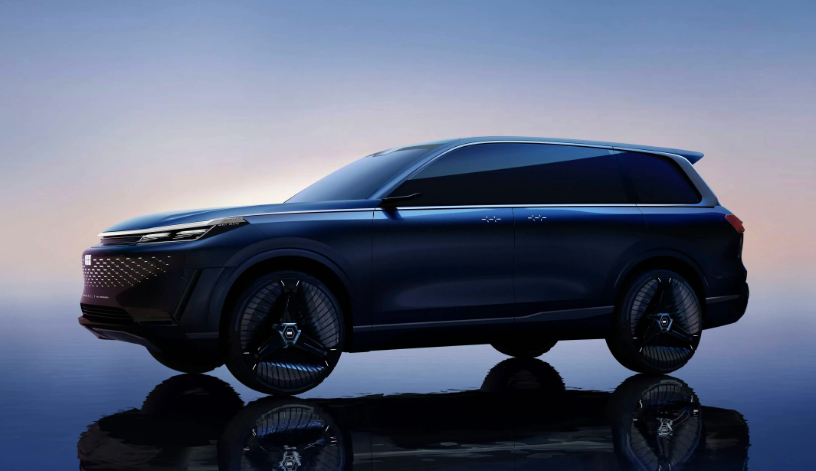
The Chinese electric vehicle industry has entered a highly competitive and diversified phase in 2026. With manufacturers ranging from mass-market leaders such as BYD and Geely to technology-driven newcomers like Xiaomi, international buyers now face a more complex sourcing environment than ever before. For dealerships, fleet operators, and automotive wholesalers, success is no longer defined by simply acquiring inventory—it depends on selecting the right combination of brands that align with local demand, infrastructure conditions, and customer expectations.
In this evolving landscape, the most successful importers are those who apply a clear strategy of market-brand alignment, ensuring that every vehicle in their inventory has a defined role within their target market.
Understanding Brand Positioning in the Chinese EV Market
Chinese EV manufacturers can generally be divided into different tiers based on scale, technology maturity, and global recognition.
Established brands such as BYD and Geely dominate the volume segment. These manufacturers benefit from strong production capacity, stable supply chains, and widespread service support networks. Vehicles from these brands are typically easier to resell due to their familiarity in international markets and consistent performance history.
For importers focused on stable turnover and low operational risk, these brands form the foundation of a reliable inventory strategy. High availability of EV spare parts, broad model variety, and proven reliability make them ideal for large-scale dealership operations or fleet deployment.
Technology-Driven Brands and Premium Market Opportunities
At the other end of the spectrum, newer and technology-focused manufacturers are reshaping customer expectations for in-vehicle experience and smart mobility.
Brands such as Xiaomi and other emerging EV manufacturers are introducing advanced digital ecosystems, intelligent cockpits, and sophisticated driver assistance systems. These vehicles often appeal to early adopters who prioritize innovation, connectivity, and premium design.
For international dealers, these models represent a high-margin opportunity—especially in markets where consumers value advanced technology and are willing to pay a premium for differentiated features. However, success in this segment requires careful selection, particularly around software compatibility and regional functionality.
Without proper verification, certain digital services, navigation systems, or connectivity features may not function fully outside their domestic ecosystem.
Matching Vehicles to Local Infrastructure and Demand
One of the most overlooked factors in EV sourcing is regional infrastructure compatibility.
Urban markets with dense charging networks tend to favor compact electric vehicles that offer efficiency, easy parking, and lower energy consumption. In contrast, regions with longer travel distances or less developed charging infrastructure typically show stronger demand for long-range SUVs and crossover models.
This means that effective inventory planning must go beyond brand selection and include a clear understanding of electric vehicle market segmentation based on geography, infrastructure, and user behavior.
Dealers who align their inventory with these conditions are more likely to achieve faster turnover rates and higher customer satisfaction.
The Importance of Curated Sourcing Over Open Market Purchasing
Sourcing vehicles randomly from fragmented marketplaces often leads to inconsistent inventory quality and mismatched product offerings. This can result in slow sales cycles, increased holding costs, and reduced customer trust.
Professional sourcing partners help mitigate these risks by providing curated access to vehicles that have been evaluated for export readiness, technical condition, and market suitability.
A structured approach to strategic EV sourcing allows businesses to build inventories that are tailored to their local customer base rather than relying on speculative purchasing decisions.
This includes evaluating battery condition, software configuration, mileage bands, and feature sets before shipment, ensuring that every unit serves a clear commercial purpose.
Building a Balanced Brand Portfolio for Long-Term Growth
A successful EV dealership strategy typically involves a balanced mix of high-volume brands and technology-forward models.
Volume brands provide stability, predictable demand, and efficient after-sales support. Premium and tech-focused brands, on the other hand, offer differentiation and higher profit margins.
Together, they create a diversified portfolio that can adapt to different customer segments and market fluctuations.
For example, BYD-based models often serve as the backbone of fleet and rental operations, while high-tech vehicles from emerging brands attract private buyers seeking advanced digital features.
Strategic Insight: Data-Driven Brand Selection
As the global EV market continues to evolve, data-driven decision-making is becoming essential. Dealers who analyze regional demand patterns, resale performance, and feature preferences are better positioned to make informed sourcing decisions.
Working with experienced export partners provides access to market insights, vehicle performance trends, and inventory recommendations that support long-term business growth.
Rather than treating procurement as a transactional process, leading importers now view it as an ongoing strategy that combines brand selection, market analysis, and supply chain optimization.
Conclusion: Aligning Brand Strategy with Market Reality
The Chinese EV market offers unprecedented opportunities for international buyers, but success depends on more than just accessing vehicles at competitive prices.
By carefully aligning brand selection with local infrastructure, customer demand, and technological expectations, businesses can build more resilient and profitable operations.
Whether focusing on high-volume models or premium technology-driven vehicles, a structured sourcing strategy ensures that every unit contributes to long-term business performance.
In 2026, the most successful importers will not be those who simply buy more vehicles—but those who choose the right EV brand strategy for their specific market environment.