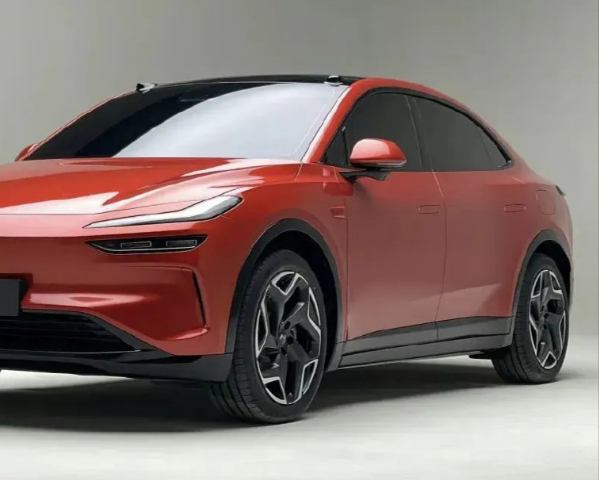
As the electric vehicle market continues to mature, evaluating a used EV involves much more than checking its driving range or mileage. In 2026, the condition of the battery has become the single most important factor influencing resale value, long-term reliability, and ownership costs. Whether you’re purchasing a vehicle for personal use or expanding a commercial fleet, understanding battery health can help you make a smarter investment.
Why Battery Health Matters More Than Mileage
Mileage has traditionally been one of the main indicators of a vehicle’s condition. For electric vehicles, however, battery performance often tells a more complete story.
Modern EV batteries age differently depending on charging habits, operating temperatures, and daily driving patterns. A vehicle with relatively high mileage may still deliver excellent performance if it has been carefully maintained, while a lower-mileage model with poor charging practices could experience faster battery degradation. For this reason, experienced buyers increasingly rely on verified battery health reports instead of focusing solely on the odometer.
Modern Battery Diagnostics Provide Better Insights
Battery assessment has become significantly more accurate in recent years. Advanced diagnostic systems now analyze key performance indicators such as charging cycles, State of Health (SoH), thermal management history, and charging frequency.
These insights help buyers estimate the remaining lifespan of a battery and compare different used electric vehicles more objectively. As battery testing standards continue to improve, certified inspection reports have become an essential part of evaluating used EV inventory, reducing uncertainty for both private buyers and commercial operators.
What Buyers Should Look for Before Purchasing
A thorough inspection goes beyond appearance and service records. The Battery Management System (BMS) provides valuable information about battery degradation and overall performance.
Many dealerships and fleet managers now consider vehicles with at least 85% remaining battery capacity to offer the best balance between affordability and long-term usability. At this stage, much of the initial depreciation has already occurred, while the vehicle continues to deliver reliable everyday performance. For many buyers, this represents one of the strongest value opportunities within today’s pre-owned electric vehicles market.
Certified Vehicle History Reduces Risk
Transparent documentation has become a major advantage in the growing used EV market. Buyers should prioritize vehicles with complete maintenance records, software update histories, and professionally verified battery inspections.
Certified documentation provides greater confidence in the vehicle’s condition while reducing the risks commonly associated with private sales. It also makes it easier to estimate future maintenance costs and expected battery performance throughout the remaining ownership period.
Making Smarter Used EV Purchasing Decisions
Finding the right electric vehicle is no longer just about securing the lowest price. Long-term ownership costs, battery reliability, and verified maintenance history all play an equally important role.
When comparing available used EV inventory, choosing vehicles with documented battery inspections and transparent service records can significantly improve long-term value. As the secondary electric vehicle market continues to grow in 2026, buyers who understand battery data will be better positioned to identify dependable vehicles that combine affordability with lasting performance.