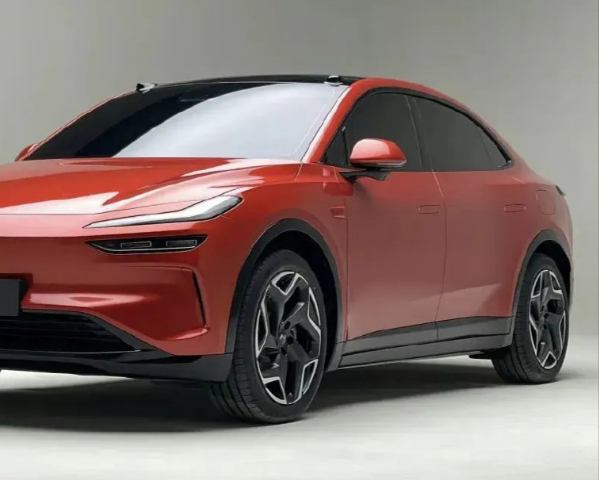
The electric vehicle market is entering a new stage of maturity. While new EV launches continue to attract attention, a growing number of consumers, fleet operators, and dealerships are turning their focus toward the used EV inventory market. In 2026, buying a pre-owned electric vehicle is no longer viewed as a compromise—it has become a practical strategy for reducing costs while maintaining long-term value.
Battery Transparency Is Reshaping Buyer Confidence
One of the biggest obstacles in the early used EV market was uncertainty surrounding battery condition. Buyers often had limited information about battery degradation, making resale values difficult to predict.
That situation has changed significantly. Today, many vehicles are sold with verified battery health reports, including standardized State of Health (SoH) assessments. These reports allow buyers to compare vehicles more accurately and understand expected battery performance before making a purchase. As transparency improves, confidence in the pre-owned electric vehicles market continues to grow, creating stronger demand across both retail and commercial sectors.
Fleet Managers Are Choosing Used Electric Vehicles
Businesses are increasingly evaluating transportation costs through the lens of long-term efficiency rather than upfront pricing. For delivery companies, mobility services, and corporate fleets, purchasing used electric vehicles often delivers a lower Total Cost of Ownership (TCO) than investing in brand-new models.
Lower maintenance expenses, reduced depreciation, and available regional incentives make well-maintained used EVs an attractive investment. Many fleet operators also benefit from faster vehicle replacement cycles without committing to the premium pricing associated with newly released models.
Sustainability and Cost Savings Go Hand in Hand
Choosing a used EV is no longer simply an environmentally responsible decision. It has become a financially sound one as well.
Extending the service life of existing electric vehicles reduces manufacturing demand and helps lower lifecycle carbon emissions. At the same time, buyers avoid the steep depreciation that typically occurs during the first few years of ownership. Many vehicles entering today’s used EV inventory retain between 80% and 90% of their original battery capacity, offering dependable performance for years while representing significantly better value than comparable new vehicles.
Regional Inventory Trends Matter More Than Ever
Successful vehicle sourcing now depends on more than comparing prices. Local market conditions play a significant role in inventory quality and availability.
Regions with well-developed charging infrastructure and higher EV adoption rates often experience faster turnover of premium models. Understanding these regional trends allows buyers to identify stronger opportunities before inventory becomes limited. Monitoring EV inventory across multiple markets can also improve purchasing decisions for dealerships and fleet managers seeking specific vehicle types or battery ranges.
Finding Reliable Used EV Inventory
As the secondary EV market continues to expand, selecting the right supplier becomes increasingly important. Buyers should prioritize vehicles with verified maintenance records, certified battery inspections, and transparent ownership histories.
Whether you’re expanding a commercial fleet or purchasing your first electric vehicle, accessing professionally inspected used EV inventory helps reduce uncertainty while maximizing long-term value. As battery diagnostics continue to improve and market transparency increases, the used EV sector is expected to remain one of the fastest-growing segments of the automotive industry throughout 2026 and beyond.