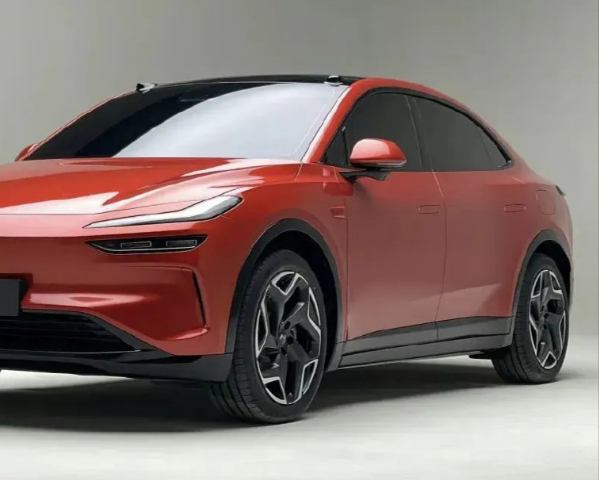
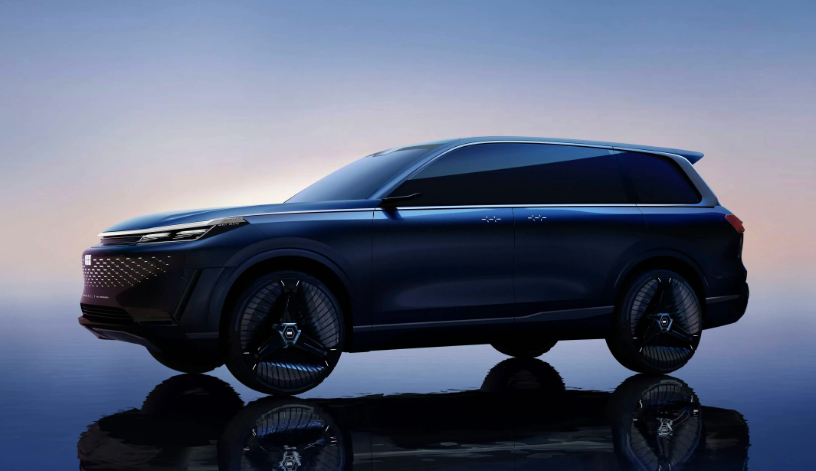
China has become one of the world’s largest sources of pre-owned electric vehicles, creating new opportunities for overseas dealerships, fleet operators, and automotive distributors. With a growing supply of well-maintained vehicles and competitive pricing, the Chinese market offers significant potential for international buyers.
However, successful importing requires more than finding an attractive price. Buyers must carefully evaluate vehicle condition, export documentation, battery performance, and regulatory compliance before making purchasing decisions. A structured sourcing strategy helps reduce operational risks while improving long-term profitability.
Risk 1: Verify Vehicle Condition Beyond Photos
High-quality images are useful, but they cannot replace a professional inspection. Since electric vehicles depend heavily on battery performance and electronic systems, remote verification should include both mechanical and digital assessments.
A complete inspection should cover:
- Battery State of Health (SOH) report generated from the Battery Management System (BMS)
- Suspension and steering components
- Battery enclosure and underbody condition
- High-voltage wiring and connectors
- ADAS sensors, cameras, and LiDAR calibration
- Vehicle software and OTA update status
| Traditional ICE Inspection | EV Inspection Priorities |
|---|---|
| Engine performance | Battery State of Health (SOH) |
| Transmission condition | Battery casing integrity |
| Oil leaks | High-voltage cable inspection |
| Exhaust emissions | Software diagnostics & OTA status |
Requesting high-resolution underbody photos or videos is especially important, as impact damage to the battery housing may not be visible from standard exterior images.
Risk 2: Ensure Complete Export Documentation
Documentation errors remain one of the most common reasons for customs delays.
Professional exporters should provide a complete documentation package including:
- MOFCOM Export License
- Vehicle Deregistration Certificate
- Commercial Invoice
- Packing List
- Bill of Lading (B/L)
- Third-party inspection report
- VIN verification records
All documents should display identical VIN information and vehicle specifications to prevent customs discrepancies.
Working with experienced exporters that understand Chinese export procedures can significantly reduce administrative risks. Many international buyers also prefer sourcing through platforms such as UsedEVChina, where documentation, inspections, and export preparation are coordinated before shipment.
Risk 3: Match Battery Chemistry to Your Market
Selecting the appropriate battery technology is equally important.
Two battery chemistries dominate the Chinese EV market:
Lithium Iron Phosphate (LFP)
Advantages include:
- Excellent thermal stability
- Long cycle life
- Lower degradation rates
- Ideal for commercial fleets and warm climates
However, temporary winter range reduction can occur in extremely cold environments.
Nickel Manganese Cobalt (NMC)
NMC batteries typically provide:
- Higher energy density
- Longer driving range
- Better low-temperature performance
They are commonly found in premium EV models but generally carry higher acquisition costs.
Understanding battery chemistry allows importers to build inventories that better suit local driving conditions and customer expectations.
Finding the Best Return on Investment
Industry experience shows that vehicles between two and three years old usually provide the best balance between technology, depreciation, and remaining battery life.
| Vehicle Age | Typical Mileage | Average Depreciation | Target Customers |
|---|---|---|---|
| 1–2 Years | 15,000–30,000 km | 30–40% | Premium buyers |
| 2–3 Years | 30,000–50,000 km | 45–55% | Mainstream retail |
| 3–4 Years | 40,000–60,000 km | 50–65% | Budget-conscious consumers |
| 5+ Years | 80,000 km+ | 70%+ | Fleet and commercial use |
These vehicles often retain strong Battery State of Health (SOH) while benefiting from significant depreciation, making them attractive for overseas resale.
Building a Reliable Procurement Process
Successful China Used EV Export operations depend on standardized evaluation procedures rather than purchasing decisions based solely on appearance or price.
Before confirming any shipment, buyers should verify:
- Export qualifications
- MOFCOM Export License
- Independent inspection reports
- Battery State of Health (SOH)
- VIN consistency
- Software localization capability
- GB/T Charging Standard compatibility
- Shipping documentation
As global demand for certified used electric vehicles continues to grow, importers who establish transparent sourcing standards and partner with experienced exporters will be better positioned to reduce risks and improve long-term business performance.
Suggested Internal Link Keywords
- China Used EV Export
- Battery State of Health (SOH)
- MOFCOM Export License
- GB/T Charging Standard
- Used EV Export
- B2B Used Car Sourcing