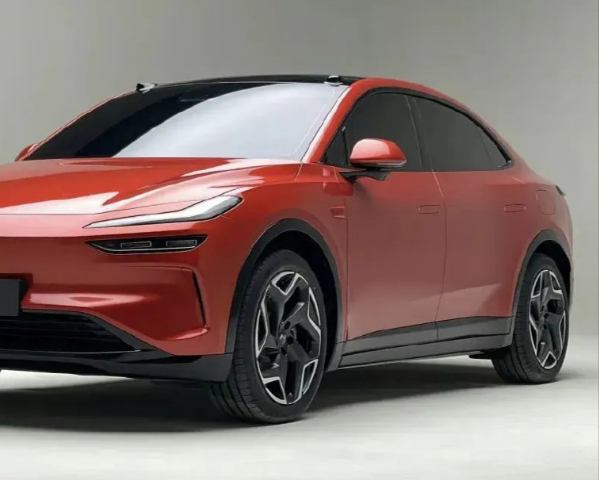
As the international market for pre-owned electric vehicles continues to expand, professional buyers are placing greater emphasis on compliance, documentation, and risk management. Importing used EVs from China involves more than selecting the right vehicle—it requires careful planning across customs procedures, payment security, battery verification, and technical compatibility.
This FAQ addresses the most common questions raised by overseas dealerships, fleet operators, and automotive distributors involved in B2B Used Car Sourcing.
Q1: How can international buyers secure payments when purchasing used EVs in bulk?
For large B2B transactions, payment security is just as important as vehicle quality. Most experienced exporters use internationally recognized payment methods that protect both buyers and suppliers.
The most common structure is a 30% Telegraphic Transfer (T/T) deposit after the purchase agreement is signed. This allows the exporter to complete domestic deregistration, vehicle inspection, and export documentation. The remaining 70% balance is generally paid after the buyer receives copies of the Bill of Lading (B/L), export customs documents, and inspection reports.
For larger fleet purchases, an irrevocable Letter of Credit (L/C) remains one of the safest financing options because payment is released only after all agreed shipping documents are presented.
Q2: How can buyers reduce the risk of receiving vehicles that do not match the agreed specifications?
Professional buyers should never rely solely on photographs or mileage records. Instead, every procurement contract should require:
- A verified Battery State of Health (SOH) report.
- Independent third-party inspection reports.
- VIN verification for every vehicle.
- High-resolution photos and videos of the exterior, interior, and underbody.
- Clear replacement or compensation clauses if a vehicle fails inspection.
Many experienced sourcing platforms also provide pre-export inspections, making it easier for overseas buyers to evaluate inventory before shipment.
Q3: Which export documents are required for shipping used EVs from China?
Because electric vehicles contain high-voltage lithium batteries, customs authorities require more documentation than for conventional vehicles.
Typical export documentation includes:
| Document | Purpose |
|---|---|
| MOFCOM Export License | Confirms the vehicle is legally approved for export. |
| Vehicle Deregistration Certificate | Removes the vehicle from China’s domestic registration system. |
| Commercial Invoice & Packing List | Required for customs declaration. |
| Bill of Lading (B/L) | Confirms shipment ownership. |
| Battery MSDS (where applicable) | Describes battery safety information during transport. |
| Third-Party Inspection Report | Verifies vehicle condition before export. |
Preparing complete documentation before shipment helps reduce customs delays and unnecessary storage charges.
Q4: Which HS Code is commonly used for battery electric vehicles?
Battery electric passenger vehicles are generally classified under HS Code 8703.80, although some countries apply additional local sub-categories.
Using the correct classification is important because it directly affects:
- Import duties
- Customs valuation
- Environmental incentives
- Tax calculations
Before shipping, buyers should confirm local customs requirements with their customs broker to avoid reclassification or clearance delays.
Q5: How do importers solve charging compatibility issues?
Most Chinese domestic EVs are equipped with the GB/T Charging Standard, while overseas markets commonly use CCS1, CCS2 or NACS.
There are two common solutions:
| Solution | Best Application |
|---|---|
| Certified GB/T adapters | Small fleets and individual retail vehicles |
| Charging port conversion | Large commercial fleets or long-term local distribution |
Selecting the right approach depends on local charging infrastructure, certification requirements, and operating costs.
Q6: Can software systems continue working after the vehicle is exported?
Modern EVs rely heavily on connected software services, including navigation, mobile applications, OTA updates, and cloud-based user accounts.
Before shipment, buyers should confirm that:
- Previous owner accounts have been removed.
- The vehicle supports local language options.
- OTA updates remain available outside China.
- Local SIM cards or eSIM services can be configured.
- Navigation and infotainment systems can be localized if required.
These checks help ensure a smoother ownership experience for end customers after import.
Best Practices for International Buyers
Successful China Used EV Export projects rely on transparent sourcing and standardized verification procedures. Before confirming any purchase, professional buyers should verify:
- Export qualifications and licensing
- Vehicle history and VIN consistency
- Independent battery diagnostics
- Customs documentation
- Shipping arrangements
- Software compatibility
- Local charging solutions
Working with experienced exporters that provide comprehensive inspection reports and clear documentation can significantly reduce procurement risks while improving delivery efficiency.
As demand for certified used electric vehicles continues to grow worldwide, businesses that establish structured procurement processes today will be better positioned to expand their inventory and serve customers with confidence.
Suggested Internal Link Keywords
- Battery State of Health (SOH)
- China Used EV Export
- B2B Used Car Sourcing
- MOFCOM Export License
- GB/T Charging Standard
- Used EV Export