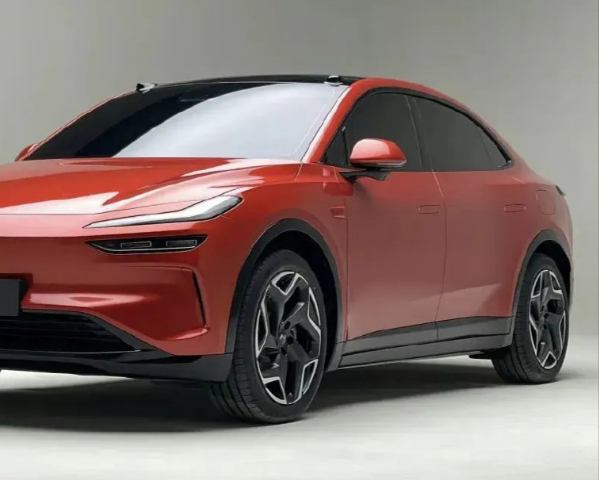
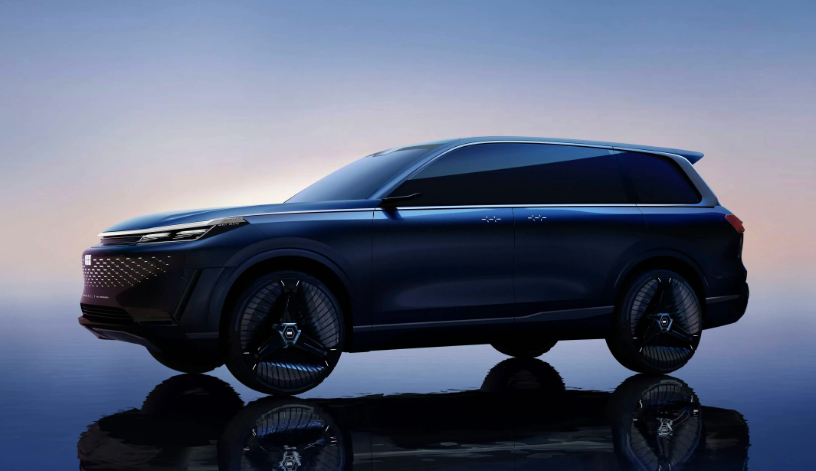
The global electric vehicle market continues to evolve at a rapid pace. While much attention remains focused on new EV sales, another segment is gaining significant momentum: China’s used electric vehicle export market.
For automotive dealerships, fleet operators, and vehicle importers worldwide, sourcing pre-owned EVs from China has become an increasingly attractive strategy. Competitive pricing, advanced technology, and a growing supply of relatively young vehicles are creating new opportunities for businesses seeking affordable electric mobility solutions.
As the market matures in 2026, international buyers are placing greater emphasis on transparency, battery verification, and vehicle certification when evaluating sourcing opportunities.
Why China’s Used EV Market Is Attracting Global Buyers
China’s rapid EV adoption over the past several years has created a substantial secondary market.
Many vehicles originally purchased between 2022 and 2024 are now entering the used vehicle sector through:
- Lease returns
- Vehicle trade-ins
- Corporate fleet upgrades
- Consumer replacement cycles
Unlike traditional used-car markets where older vehicles dominate inventory, many exported Chinese EVs are only two to four years old and still feature modern technologies.
Key Features Found in Recent Chinese EV Models
| Vehicle Technology | Potential Benefits for International Buyers |
|---|---|
| 800V Fast-Charging Platforms | Improved charging convenience |
| Advanced LFP batteries | Strong durability and long-term stability |
| OTA Software Updates | Continued software improvements |
| ADAS Features | Enhanced driver-assistance capabilities |
| Smart Cockpit Systems | Modern connectivity and infotainment functions |
For importers, this combination of relatively recent technology and lower acquisition costs creates attractive business opportunities across both retail and fleet markets.
Battery Health Is Becoming a Key Purchasing Factor
One of the most important developments in the used EV sector is the growing focus on battery State of Health (SOH).
In the past, buyers often relied on vehicle mileage and visual condition to estimate value. Today, battery condition plays a much larger role in determining long-term performance and resale potential.
A vehicle with strong battery health may command significantly higher market value than a similar vehicle with lower battery capacity retention.
When sourcing inventory, buyers should prioritize vehicles that include:
- Independent battery diagnostics
- Third-party inspection reports
- Verified battery health reports
- Battery management system data
- Comprehensive vehicle condition assessments
Reliable battery verification reduces uncertainty and improves buyer confidence.
Which Chinese EV Brands Are Popular in Export Markets?
China’s EV ecosystem covers a wide range of vehicle categories, allowing buyers to target different customer segments.
Mainstream EV Models
Manufacturers such as BYD and GAC Aion continue to attract attention due to their combination of affordability, battery durability, and practical ownership costs.
These vehicles are commonly sourced for:
- Ride-hailing fleets
- Taxi operators
- Corporate transportation
- Retail dealerships
Many buyers value their established supply chains and widespread market recognition.
Premium EV Segments
Higher-end models from manufacturers such as Zeekr, XPeng, and Li Auto are becoming increasingly visible in export markets.
These vehicles often feature:
- Advanced driver-assistance technologies
- Premium interior design
- Long driving range
- Enhanced software functionality
For dealerships targeting premium EV buyers, these models can offer strong value compared with similarly equipped vehicles from established global brands.
Understanding Export Procedures in 2026
Importing a used EV involves more than selecting a vehicle and arranging shipment.
Successful transactions depend on proper documentation and regulatory compliance.
Typical Export Process
Step 1: Vehicle Selection and Inspection
- Mechanical inspection
- Battery evaluation
- Vehicle history verification
Step 2: Vehicle De-registration
The vehicle must be officially removed from China’s domestic registration system before export.
Step 3: Export Documentation and Customs Processing
Relevant export procedures and supporting documentation are completed.
Step 4: International Logistics
Vehicles are transported through:
- Ro-Ro shipping
- Container shipping
- Specialized EV logistics services
Working with experienced exporters can help reduce customs delays and documentation issues.
Why Vehicle Certification Matters
As competition within the used EV market increases, buyers are becoming more selective.
Vehicles supported by transparent documentation often achieve stronger resale performance.
Recommended documentation includes:
- Vehicle inspection reports
- Battery diagnostics
- Maintenance records
- Export compliance documentation
- Ownership verification records
For international dealerships, transparent sourcing practices help build customer trust and support long-term business growth.
Maximizing ROI When Importing Used EVs
Experienced importers increasingly focus on data rather than appearance alone.
Key factors influencing resale performance include:
Battery Condition
The battery pack remains the most valuable component in an electric vehicle.
Publishing verified battery State of Health (SOH) information can help improve buyer confidence and support stronger pricing.
Software Compatibility
Some imported vehicles may require:
- Language updates
- Navigation adjustments
- Connectivity configuration
- Regional software adaptations
Understanding these requirements before import can help reduce post-delivery costs.
Long-Term Asset Value
Vehicles with documented maintenance histories, verified battery condition, and complete inspection records generally perform better in secondary markets.
Market Outlook for 2026 and Beyond
Demand for affordable electric vehicles continues to grow across many regions, including the Middle East, Africa, Central Asia, Eastern Europe, and parts of South America.
At the same time, China’s mature EV ecosystem is generating a growing supply of relatively young, technology-rich vehicles entering the secondary market.
For dealerships, fleet operators, and automotive trading companies, the used EV export market presents opportunities to acquire modern electric vehicles at competitive prices while meeting increasing consumer demand for electric mobility.
Businesses that prioritize certified used electric vehicles, transparent battery verification, and reliable sourcing channels will likely be better positioned as international demand continues to expand throughout 2026 and beyond.