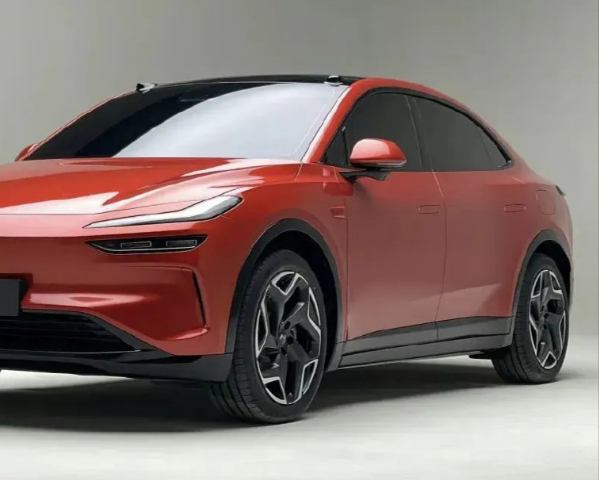
The global secondary new energy vehicle (NEV) market is undergoing a structural shift driven by increasing export volumes from Asian manufacturing hubs. For international distributors and fleet operators, procurement decisions are increasingly based on predictable depreciation behavior, technical compatibility, and regulatory compliance.
This analysis examines residual value trends, onboard system limitations, and mechanical inspection requirements for mainstream Chinese electric sedans and crossovers entering international markets.
Depreciation Mechanics and Residual Value Retention
Electric vehicle depreciation behaves differently from traditional internal combustion engine (ICE) models due to battery-centric valuation structures.
In 2026 market data, Chinese EVs demonstrate a stabilized 3-year residual value range of approximately 52% to 58% of original retail price, supported by improvements in thermal management systems and battery architecture design.
Residual value differences across export models are mainly influenced by:
- Integrated electric powertrain efficiency, particularly multi-in-one motor systems that reduce mechanical loss
- Cell-to-Pack (CTP) battery architecture, which improves structural efficiency but requires specialized inspection during resale
- Onboard telematics generation, where newer computing platforms retain higher firmware update compatibility
For procurement teams, production batch identification is often more important than model year classification, as small hardware revisions in inverter or thermal systems can significantly affect cold-weather performance.
Importers can evaluate structured inventory datasets of pre-owned electric vehicles to identify export-optimized production batches.
Technical Compliance and Localization Requirements
Cross-border deployment of Chinese EVs requires technical adaptation to meet destination infrastructure standards, particularly in charging systems and digital connectivity.
Charging Interface Standardization
Most domestic EVs use the GB/T charging standard. Export destinations using CCS1, CCS2, or CHAdeMO systems require either adapter-based conversion or full charging port retrofitting at destination ports.
For fleet-level operations, physical conversion of the charging interface is often preferred to ensure long-term charging reliability and compatibility with public infrastructure.
Telematics and Software Localization
Modern EV systems rely heavily on cloud-connected telematics and embedded software ecosystems. Domestic Chinese models typically use locked Telematics Control Units (TCU) with region-specific eSIM configurations.
International deployment requires:
- Reconfiguration or replacement of the TCU module for local carrier compatibility
- Firmware localization for language and regional system interface adaptation
- Controlled management of OTA (Over-the-Air) updates to prevent overwriting localized configurations
These steps ensure stable operation of navigation systems, diagnostics, and user interface functions in foreign markets.
Predictive Mechanical and Electrical Inspection Framework
Although EV powertrains contain fewer moving mechanical components, structural stress distribution is significantly different due to battery weight concentration.
Key inspection focus areas include suspension systems and high-voltage electrical insulation integrity.
Because battery packs increase chassis load, components such as control arms, bushings, and dampers experience accelerated wear. Therefore, suspension load testing is required prior to export approval.
Additionally, the high-voltage distribution system (PDU) must pass insulation resistance testing to ensure compliance with safety thresholds, typically above 500 ohms per volt.
Structured inspection protocols and multi-point diagnostic reporting significantly reduce operational risk in cross-border procurement workflows.
Cross-Border Logistics and Fleet Transport Optimization
International transport of electric vehicles is regulated under hazardous materials classification due to lithium-ion battery systems.
During ocean shipping, maintaining an optimal State of Charge (SoC) between 30% and 50% is required to reduce thermal and chemical instability risks.
Two primary logistics methods are used:
- Roll-on/Roll-off (RoRo) shipping for large-scale fleet transport
- Containerized shipping with specialized battery-safe securing systems
Containerized transport provides enhanced protection against humidity and corrosion, particularly for high-voltage connectors and electrical terminals.
Logistics cost modeling must incorporate both transport method selection and compliance handling to ensure accurate landed cost forecasting.
Conclusion
The competitiveness of Chinese export EVs in global markets depends on a combination of residual value stability, technical adaptability, and transparent inspection frameworks.
For international B2B buyers, success in this sector relies on the ability to evaluate both battery-centric asset value and system-level compatibility with destination infrastructure.
Structured technical data, verified inspection reports, and standardized compliance procedures are now the foundation of efficient cross-border EV procurement.