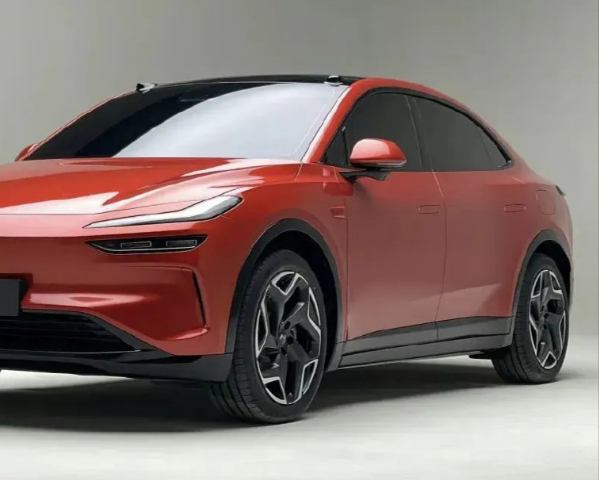
The global demand for sustainable transportation continues to accelerate the expansion of international trade in secondary electric vehicles. China, as one of the leading producers of new energy vehicles, has significantly increased its export volume of used electric vehicles (EVs) to markets across Asia, Eastern Europe, and North Africa.
For international B2B buyers, understanding pricing structures, residual value trends, and battery degradation evaluation methods is essential for reducing procurement risk and improving long-term investment performance.
Macro Market Supply and Price Distribution
The pricing of exported used EVs from China is mainly determined by vehicle age, mileage, battery condition, and destination compliance requirements. Industry data from 2026 shows that the most active trading range falls between $12,000 and $18,000, primarily consisting of compact SUVs and mid-size sedans with 2 to 4 years of usage history.
Several key factors influence export pricing:
- Domestic policy adjustments affecting initial vehicle subsidies, which directly impact resale value formation
- Freight and logistics variations, although FOB (Free on Board) pricing remains relatively stable due to consistent fleet turnover supply
- Regional demand differences, particularly for left-hand drive configurations in developing import markets
For B2B procurement teams, bulk purchasing often reduces per-unit logistics costs, but final landed cost must account for local homologation and import compliance requirements.
Verified sourcing platforms such as used EV inventory listings provide reference benchmarks for real-time pricing and stock availability.
Technical Analysis of Battery Degradation and State of Health (SoH)
The most critical factor influencing the residual value of a used electric vehicle is the condition of its high-voltage battery system. Lithium iron phosphate (LFP) and nickel manganese cobalt (NMC) battery chemistries exhibit different degradation behaviors under long-term operational use.
Lithium Iron Phosphate (LFP) Characteristics
LFP batteries are widely used in export inventory due to their thermal stability and long cycle life. In most cases, they retain approximately 80% to 85% State of Health (SoH) after 150,000 kilometers of usage under standard conditions.
However, in colder regions, performance may temporarily decline due to temperature sensitivity, which affects discharge efficiency rather than permanent capacity loss.
Nickel Manganese Cobalt (NMC) Characteristics
NMC batteries provide higher energy density and extended driving range. However, under fast-charging-heavy usage patterns, they typically experience a 3% to 4% annual SoH reduction over a 3–5 year lifecycle.
For accurate valuation, B2B buyers should require access to Battery Management System (BMS) diagnostic logs, including voltage deviation, thermal history, and charging cycle records.
Standard commercial evaluation should not rely solely on dashboard indicators, as these can be recalibrated or reset.
Supply Chain Sourcing and Quality Assurance
Modern EV sourcing requires structured inspection protocols to ensure consistent export quality and regulatory compliance. The standard verification process typically includes a multi-layer diagnostic framework covering over 150 inspection points.
Key inspection categories include:
- Insulation Resistance Testing to verify high-voltage system safety and eliminate grounding risks
- BMS Diagnostic Log Analysis to detect historical overcharging or deep discharge stress
- Chassis and Battery Enclosure Inspection to confirm structural integrity and prevent impact-related damage
These processes help ensure that exported vehicles meet destination market roadworthiness requirements and reduce post-import operational risks.
Commercial Implications for B2B Importers
From a procurement perspective, total cost of ownership (TCO) is more important than initial purchase price alone. While used Chinese EVs offer significant upfront cost advantages, long-term profitability depends on maintenance accessibility and parts availability.
B2B importers are advised to establish a stable supply of replacement components, including brake systems, suspension parts, and low-voltage electrical modules.
In addition, sourcing from suppliers with transparent logistics tracking and verified inspection reports can significantly reduce customs delays and shipment uncertainty.
As electrification continues to reshape global automotive markets, structured sourcing from China’s secondary EV ecosystem enables international buyers to access scalable, data-driven inventory at competitive pricing levels.