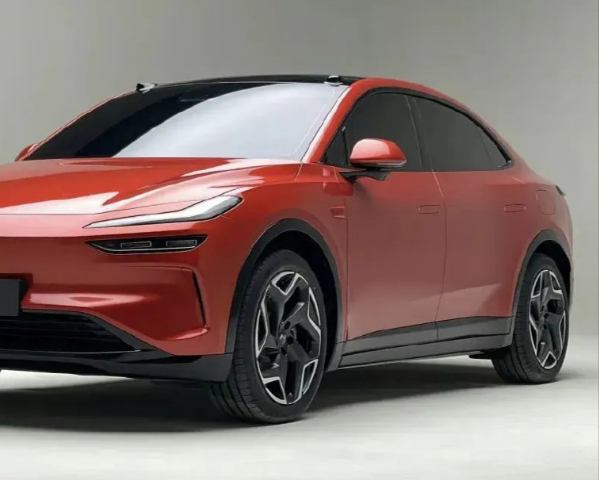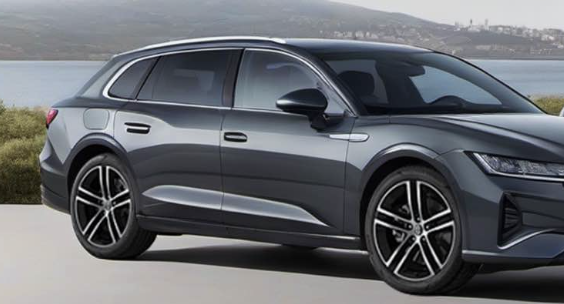
As global demand for affordable and technologically advanced vehicles continues to rise, China’s used vehicle export industry has become an increasingly important source of supply for overseas markets. The country’s rapid adoption of new energy vehicles over the past decade has created a large inventory of second-hand electric vehicles now entering international trade channels.
For automotive dealers, fleet operators, importers, and private buyers, sourcing vehicles from China offers access to relatively modern inventory, competitive pricing, and a broad selection of electric and fuel-powered models. However, successful procurement requires a clear understanding of battery condition, vehicle selection criteria, charging compatibility, and international shipping procedures.
This report examines the key developments shaping China’s used EV export market in 2026 and outlines the factors buyers should evaluate before making purchasing decisions.
Growth of China’s Used EV Export Sector
China remains the world’s largest producer and consumer of new energy vehicles. As first-generation EV owners replace older models with newer technologies, a growing number of used electric vehicles are entering the secondary market.
Unlike many mature automotive markets where vehicle ownership cycles can exceed seven or eight years, Chinese consumers often upgrade more frequently. This creates a steady supply of relatively young vehicles equipped with modern features, including:
- Advanced driver assistance systems (ADAS)
- Intelligent cockpit and infotainment technologies
- Long-range lithium battery systems
- Connected vehicle functions and over-the-air updates
For overseas buyers, this means access to vehicles that often remain technologically competitive despite significant depreciation from their original retail price.
The export market is not limited to battery-electric vehicles. Used hybrid vehicles, plug-in hybrids, extended-range EVs, and used fuel cars from China continue to attract buyers in regions where charging infrastructure remains limited or fuel-powered transportation still dominates.
Battery Health Assessment: The Most Important Evaluation Standard
When purchasing a used electric vehicle, battery condition is typically the single most important factor affecting long-term ownership costs and operational reliability.
Understanding State of Health (SOH)
The most commonly used indicator is battery State of Health (SOH).
SOH measures the battery’s remaining usable capacity compared with its original factory specification. For example, a battery with an SOH rating of 85% retains approximately 85% of its original energy storage capability.
Most professional buyers consider vehicles with an SOH above 80% suitable for export because they generally continue to provide stable performance and acceptable driving range.
Obtaining an independent battery diagnostic report before shipment can help buyers verify actual battery condition instead of relying solely on dashboard range estimates.
Battery Thermal Management Matters
Battery longevity is heavily influenced by temperature control.
Vehicles equipped with liquid-cooled battery systems typically experience slower degradation than those using passive air-cooling solutions. This becomes particularly important in regions with high ambient temperatures or intensive commercial vehicle use.
When comparing vehicles with similar mileage and age, thermal management design can significantly affect residual battery value.
Charging History and BMS Data
Modern EVs continuously record charging behavior through their Battery Management System (BMS).
Professional inspections can often reveal:
- Fast-charging frequency
- Total charging cycles
- Historical battery performance
- Cell voltage consistency
- Potential battery fault records
Access to verified BMS battery reports provides a more accurate assessment of battery condition than mileage alone.
Charging Compatibility for International Markets
One of the most frequently discussed topics among overseas buyers is charging standard compatibility.
Most Chinese-market EVs use the GB/T charging standard, while international markets may utilize CCS1, CCS2, CHAdeMO, or other local charging protocols.
Fortunately, compatibility challenges are increasingly manageable.
Charging Adapters
Certified GB/T charging adapters allow many imported vehicles to connect with existing charging infrastructure in Europe, the Middle East, Southeast Asia, Africa, and parts of the Americas.
Buyers should ensure adapters meet local safety regulations and support both AC and DC charging where required.
Dedicated Charging Solutions
For fleet operators and private owners, installing a dedicated charging station often provides the most practical long-term solution.
Many importers choose to deploy GB/T-compatible charging equipment at warehouses, dealerships, or fleet depots to simplify daily operations.
Export Logistics and Compliance Procedures
Vehicle sourcing is only one component of the procurement process. Successful international delivery depends on proper export documentation and logistics planning.
Vehicle Deregistration and Export Documentation
Before a vehicle can legally leave China, several administrative procedures must be completed, including:
- Domestic vehicle deregistration
- Export customs declarations
- Ownership verification
- Commercial export licensing
- Shipping documentation preparation
Working with an experienced vehicle export company can help reduce compliance risks and avoid delays during customs clearance.
Ro-Ro Shipping vs Container Shipping
International buyers typically choose between two transportation methods.
Roll-on/Roll-off (Ro-Ro)
Ro-Ro vessels transport vehicles by driving them directly onto specialized automotive carriers.
Advantages include:
- Lower transportation cost per vehicle
- Efficient handling for large-volume shipments
- Suitable for fleet purchases and dealership imports
Container Shipping
Container transport remains a preferred solution for many small-volume buyers.
Benefits include:
- Enhanced cargo protection
- Greater flexibility for destination ports
- Ability to ship spare parts, accessories, and charging equipment together
For many B2C transactions and smaller dealership orders, container vehicle shipping offers an effective balance between security and operational flexibility.
Strategic Sourcing Recommendations for International Buyers
The growing availability of Chinese used vehicles creates significant opportunities, but successful procurement depends on data-driven decision-making.
Rather than focusing solely on vehicle age or advertised driving range, buyers should prioritize verifiable information, including:
- Independent battery diagnostics
- Verified SOH measurements
- Comprehensive maintenance records
- Undercarriage inspection reports
- Export compliance documentation
- Charging compatibility assessments
Building relationships with experienced sourcing partners can also improve transparency throughout the procurement process, particularly when coordinating inspections, customs procedures, and international freight arrangements.
As China’s used vehicle export industry continues to mature, buyers who emphasize technical verification, battery evaluation, and logistics planning will be better positioned to secure reliable inventory and reduce operational risk in overseas markets.