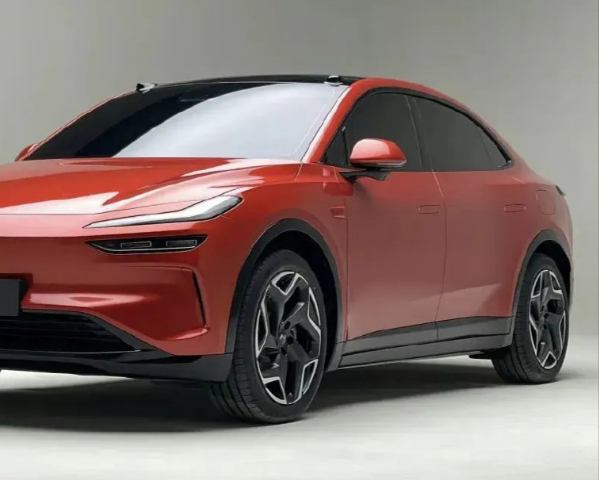
Introduction: The New Era of the Used Electric Vehicle Market
The global automotive industry is entering a new stage of electrification. In the early phase of EV adoption, market attention was largely focused on new vehicle sales, battery innovation, and manufacturer expansion. However, by 2026, the secondary market has become an increasingly important part of the electric mobility ecosystem.
For international dealers, fleet operators, automotive traders, and individual buyers, pre-owned electric vehicles provide a practical opportunity to access advanced EV technology at a more competitive cost. As more first-generation EV owners upgrade to newer models, a growing supply of used electric cars is entering domestic and international markets.
However, buying or importing an electric vehicle requires a different evaluation process compared with traditional gasoline-powered vehicles. Battery condition, software support, charging compatibility, maintenance history, and regional regulations all influence the actual long-term value of an EV.
Understanding these market changes is essential for businesses and consumers seeking reliable vehicles and sustainable investment opportunities in the evolving EV industry.
The Expanding Supply of Used EVs and Changing Market Values
One of the most significant developments in the EV industry is the rapid growth of available used inventory. Early adopters, corporate fleets, and leasing companies are increasingly replacing older electric models with newer generations featuring improved range, charging speed, and software capabilities.
This transition is creating a larger supply of three-to-five-year-old EVs entering wholesale channels and international trade networks.
Several factors are shaping the current pricing environment:
Faster Technological Development and Initial Depreciation
Unlike traditional vehicles, early electric models experienced higher depreciation because battery technology and driving range improved rapidly. Newer generations introduced longer ranges, more efficient power systems, and advanced software features, affecting the resale value of older models.
However, the market is gradually adjusting as buyers gain a better understanding of EV durability and battery performance.
Stabilizing Residual Values
In the past, concerns about battery replacement costs created uncertainty around used EV pricing. Today, improved battery engineering, stronger warranty coverage, and better diagnostic tools have increased buyer confidence.
Modern EV batteries are proving to be more durable than many early market assumptions suggested, helping stabilize the resale value of well-maintained vehicles.
Increasing Global Trade Opportunities
The growing demand for affordable electric mobility has created new international supply chains. Buyers in emerging EV markets are increasingly sourcing vehicles from regions with mature EV adoption, creating opportunities for cross-border vehicle trade.
For professional traders and importers, understanding regional price differences and supply conditions is becoming a key factor in building profitable EV sourcing strategies.
Battery Health Assessment: The Most Important Factor in Used EV Evaluation
When purchasing a traditional vehicle, buyers often focus on mileage, engine condition, and maintenance records. For electric vehicles, battery condition has become the most important measurement of long-term value.
A professional electric vehicle battery health assessment provides deeper insight into the remaining performance capability of the vehicle.
Understanding State-of-Health (SoH)
The State-of-Health (SoH) diagnostics process measures the current usable battery capacity compared with its original specification. This information helps buyers understand how much energy storage capability remains and how the vehicle may perform in future operation.
Battery health evaluation typically considers:
- Remaining battery capacity
- Charging cycle history
- Fast-charging frequency
- Thermal management performance
- Previous usage conditions
- Battery management system (BMS) data
Modern battery technologies, including improved lithium-based chemistry and advanced cooling systems, have significantly increased battery lifespan. Many current EV battery packs maintain strong performance after several years of normal usage.
For importers and fleet operators, verified battery data provides confidence when calculating ownership costs and future resale potential.
Software Capability and Technology Lifecycle Impact EV Value
Battery condition is essential, but software capability is becoming another major factor influencing used EV demand.
Modern electric vehicles are increasingly defined by digital features rather than only mechanical components. Buyers are paying attention to:
- Over-the-air (OTA) software updates
- Smartphone connectivity
- Driver assistance systems
- Charging network compatibility
- Digital cockpit functions
Vehicles with outdated software platforms may lose market appeal faster, even if their physical condition remains excellent.
This shift means that evaluating a used EV requires understanding both mechanical durability and technological relevance.
Strategic Opportunities for B2B Buyers and Fleet Operators
For companies expanding electric transportation operations, the used EV sector provides a valuable alternative to purchasing entirely new fleets.
By selecting verified vehicles through professional sourcing channels, businesses can reduce initial investment costs while accelerating their transition toward cleaner transportation solutions.
Key advantages include:
Lower Capital Investment
Pre-owned EVs allow companies to deploy electric fleets with reduced upfront costs while maintaining access to modern vehicle technology.
Faster Fleet Expansion
A larger global inventory of used electric vehicles makes it easier for businesses to scale operations without waiting for new vehicle production schedules.
Better Cost Forecasting
With accurate battery reports, inspection records, and vehicle history information, fleet managers can estimate operating expenses more effectively.
For international buyers, professional B2B EV procurement processes can simplify vehicle selection, quality verification, export documentation, and logistics coordination.
Overcoming Challenges in International EV Importing
Although opportunities are expanding, global EV trade still requires careful management of several challenges.
Importers need to consider:
Regulatory Compliance
Different countries have unique requirements regarding vehicle certification, safety standards, emissions policies, and import procedures.
Charging Compatibility
Charging connectors, voltage standards, and local infrastructure availability can affect vehicle usability after import.
Documentation and Logistics
Successful international transactions require accurate export paperwork, vehicle history verification, shipping arrangements, and customs coordination.
Working with experienced suppliers and transparent trade platforms can reduce uncertainty throughout the procurement process.
The Future Outlook of the Global Pre-Owned EV Market
The used electric vehicle industry has moved beyond being a small secondary segment and is becoming a major component of global automotive distribution.
As battery technology improves, diagnostic standards become more advanced, and international supply chains mature, buyers will increasingly rely on data-driven evaluation rather than simple vehicle appearance or mileage.
The future success of the pre-owned EV market will depend on three key factors:
- Transparent battery health information
- Reliable vehicle history records
- Efficient global sourcing networks
For businesses and consumers entering this market, understanding battery performance, software evolution, and international trade requirements will be essential for making smarter purchasing decisions.
The next phase of EV adoption will not only be driven by new vehicle sales but also by the growth of a reliable, transparent, and technology-focused secondary market.