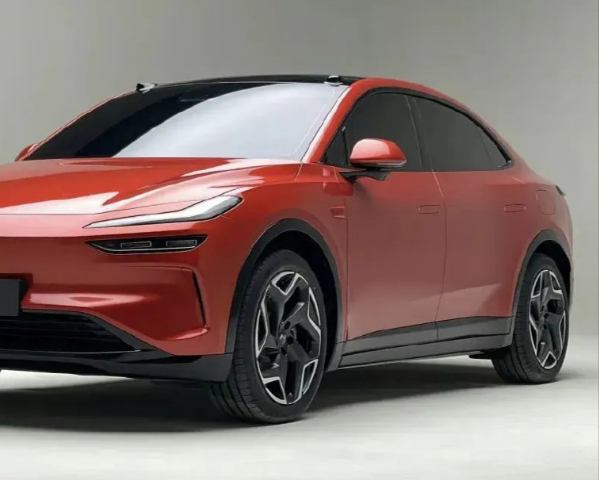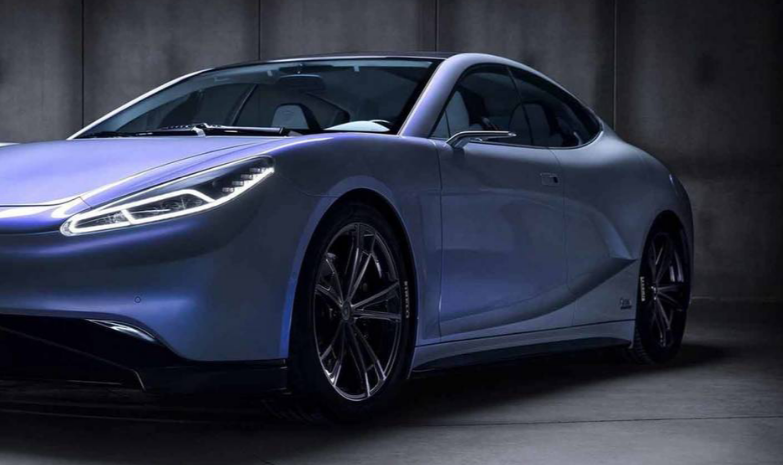
The global electric vehicle market is moving beyond consumer adoption and entering a new phase driven by commercial demand. As dealerships, fleet operators, and automotive trading companies expand their EV portfolios, sourcing reliable pre-owned electric vehicles has become a strategic business decision rather than a simple purchasing activity.
Compared with traditional vehicle imports, wholesale EV procurement involves additional considerations, including battery certification, software compatibility, transportation regulations, and regional compliance requirements. Companies entering this market must build a sourcing process that balances vehicle quality, regulatory approval, logistics efficiency, and long-term customer value.
This guide explores the key challenges businesses face when purchasing used electric vehicles in bulk and explains how professional buyers can create a more reliable global EV supply chain.
Understanding Compliance Requirements for International EV Imports
One of the biggest challenges in cross-border electric vehicle trade is ensuring that every vehicle meets the regulatory requirements of its destination market.
Unlike conventional gasoline-powered vehicles, electric cars contain high-voltage battery systems, advanced electronic control units, and complex software platforms. These components introduce additional compliance requirements related to electrical safety, electromagnetic compatibility, and battery transportation standards.
Before completing a wholesale purchase, importers should verify several critical factors, including:
- Vehicle homologation requirements in the destination country;
- Battery safety documentation;
- Charging system compatibility;
- Onboard diagnostics (OBD) requirements;
- Local environmental and road safety regulations.
Professional buyers often work with independent inspection companies to verify vehicle specifications before shipment. This approach reduces compliance risks and helps prevent costly issues during customs clearance.
For businesses searching for reliable sourcing channels, platforms such as Usedevchina provide access to commercial EV inventory while helping international buyers manage vehicle verification and export procedures.
Battery Diagnostics: The Foundation of Wholesale EV Quality Control
For bulk EV procurement, battery condition is the most important factor influencing vehicle value and resale potential.
Unlike traditional vehicles where engine condition is usually the primary concern, electric vehicles depend heavily on battery performance. A vehicle with low mileage may still have reduced value if its battery has experienced excessive thermal stress, frequent fast charging, or poor storage conditions.
Professional wholesale suppliers increasingly rely on Battery Management Systems (BMS) diagnostics to evaluate battery performance before transactions are completed.
A comprehensive battery inspection should include:
- Remaining battery capacity;
- Cell balance performance;
- Charging history analysis;
- Temperature management records;
- Software diagnostic information.
The most important measurement is State of Health (SoH), which indicates the remaining battery capacity compared with the original specification. Many professional buyers establish minimum SoH requirements before accepting bulk vehicle purchases, helping maintain predictable resale value.
For large-scale procurement, standardized inspection reports are essential. Instead of evaluating vehicles individually based only on appearance and mileage, businesses can make purchasing decisions based on measurable technical data.
Managing EV Shipping and International Logistics Challenges
Global EV transportation requires specialized logistics planning due to the characteristics of lithium-ion battery systems.
Electric vehicles are generally classified as regulated goods during international transportation because their battery packs contain lithium-ion cells. Shipping companies and freight providers must follow international dangerous goods handling procedures to ensure safe transportation.
Key logistics considerations include:
- Proper vehicle preparation before shipment;
- Battery charge level management;
- Container safety requirements;
- Documentation accuracy;
- Port handling procedures.
Maintaining an appropriate battery charge level during transportation is particularly important. Excessive discharge during long storage periods can affect battery performance, while improper handling may create unnecessary safety risks.
Experienced EV logistics providers understand the requirements for vehicle loading, securing, documentation, and customs coordination. Working with specialized partners helps reduce delays and ensures smoother delivery from the origin market to the final destination.
Building a Reliable Wholesale EV Supply Chain
Successful EV import businesses require more than access to vehicle inventory. Long-term profitability depends on developing a transparent and repeatable procurement system.
A professional wholesale strategy should include:
- Vehicle sourcing standards
Establish clear requirements for model year, mileage, battery condition, and technical specifications. - Independent quality inspection
Verify vehicle history, battery performance, and mechanical condition before purchase. - Documentation management
Prepare export certificates, customs paperwork, and compliance records in advance. - After-sales planning
Consider spare parts availability, software support, and maintenance capabilities in target markets.
As competition increases in the global EV market, businesses that rely on data-driven purchasing decisions will have a significant advantage over companies focused only on price.
The Future of Global Wholesale Electric Vehicle Trade
The wholesale electric vehicle market is becoming more professional, transparent, and technology-driven. Battery analytics, digital inspection systems, and improved international logistics networks are reducing uncertainty for commercial buyers.
For dealers, fleet operators, and import companies, the key to success is no longer simply finding affordable vehicles. The competitive advantage comes from identifying high-quality inventory, verifying technical condition, and creating a dependable supply chain.
As international demand for electric mobility continues to grow, companies that adopt structured procurement processes will be better positioned to capture opportunities in the expanding global EV market.