Importers, fleet buyers, and dealership groups are asking sharper questions today than they were two years ago. The days of simply asking, “Can I even get a used Chinese EV?” have given way to more critical inquiries: “How do I verify the battery, secure the paperwork, and protect my payment from 7,000 kilometers away?”
This FAQ addresses the points that come up most frequently in our conversations with professional buyers — the operational details that, if overlooked, can turn a promising shipment into a logistical headache. No fluff, no exaggerated promises, just the answers you need to structure a safer purchase.
What documentation package should I expect from a seller before wiring any money?
A complete pre-payment package needs three core documents: the original vehicle registration cancellation certificate, a recent battery test report that includes cell-level voltage deviation readings, and a valid export license specifically issued for used vehicles. Many experienced buyers now also ask for a scanned copy of the China Compulsory Certification (CCC) for the charging equipment that ships with the car.
Always check that the cancellation certificate and the export license are dated within 30 days of your transaction date. Older dates often signal that the unit has been sitting in storage at a high state of charge, which accelerates calendar aging of the battery pack. If a seller cannot produce all three documents within three business days of a deposit request, that delay is a data point worth factoring into your decision.
How can I verify battery state of health when I cannot physically inspect the vehicle?
Remote battery SOH verification has become more accessible, but it is still not uniformly applied. The most common method now involves a diagnostic session run through the vehicle’s OBD port, generating a standardised report that logs the state of health (SOH) percentage, total kWh capacity compared to factory spec, and the maximum cell voltage imbalance under a moderate load.
Pay more attention to the cell voltage deviation figure than to the overall SOH number. A pack showing 92% SOH but with a 120 mV imbalance at 50% SOC is a bigger risk than a pack at 85% SOH with a tight 15 mV spread. Independent inspection firms in major export hubs can run these tests within a day, and the reports are increasingly accepted by destination-country insurers as part of a pre-shipment inspection requirement. If you are importing at scale, building a relationship with one of those firms is a better long-term investment than relying on seller-provided readings alone.
Which electric vehicle models are currently moving in volume for export, and does volume matter for parts support?
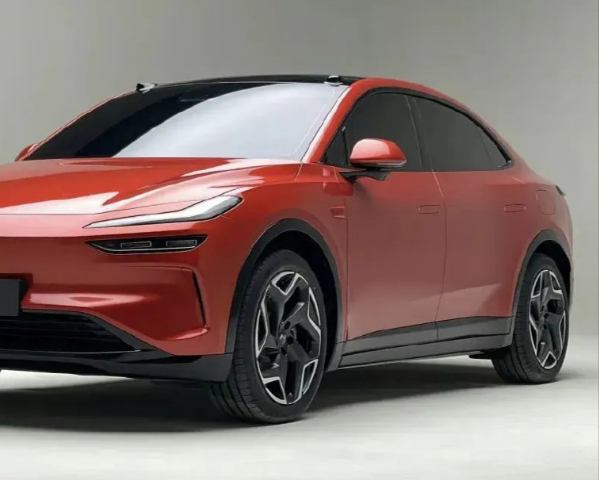
Volume matters enormously for after-sales parts availability, and the list of models with consistent export-scale supply is not huge. Right now, the most frequently shipped used EV export models include the BYD Atto 3 and Yuan Plus, the Wuling Binguo, the NETA V, and the Ora Good Cat. Several BYD Han and Song Plus units are also appearing in wholesale channels as three-year leases mature.
Stick to models that have already shipped at least 500 units into your region over the last six months. That volume threshold tends to trigger local independent part-stocking decisions by distributors and breaker yards. Exotic or low-volume variants might offer a tempting price, but the first time a body panel or an onboard charger fails without available inventory, the total cost of ownership tilts sharply against the buyer.
What payment structures offer genuine protection for the buyer?
The bilateral bank-to-bank structure is still widely used, but trade-specific escrow services and letter of credit (LC) arrangements are gaining traction, especially for shipments above three container loads. An LC issued by a known international bank with clear document-against-payment terms gives the buyer more control.
Structure the LC so that payment is released only after the bill of lading, the pre-shipment inspection certificate, and the battery test report are presented together — never unbundle these requirements. For smaller consignments, third-party trade assurance platforms that hold funds until the container is loaded and a verified bill of lading is uploaded are a practical middle ground. Direct wire transfers to an unknown corporate account without a documented inspection step remain the highest-risk path, no matter how responsive the seller appears on messaging apps.
Is a certified pre-owned (CPO) unit worth the premium for export?
The premium for a manufacturer-backed or large-platform CPO EV unit runs anywhere from 6% to 15% above comparable auction-grade vehicles, and for many B2B buyers that premium pays for itself in reduced post-sale friction. CPO programs from the major Chinese OEMs now include multi-point mechanical and battery inspections and a warranty that, in some cases, can be transferred to an overseas owner if documentation is filed within the window.
Before paying the CPO premium, request the warranty transfer terms in writing. Some programs only cover the vehicle while registered in mainland China, which would nullify the main value proposition for an export buyer. A vehicle that carries a transferable 12-month pack and motor warranty can be a powerful sales tool for a dealership trying to overcome consumer hesitation about pre-owned EV reliability.
How long does the shipping process realistically take from purchase to arrival at the destination port?
Assume a minimum of 35 days and budget for 45–60 days when planning inventory. That window covers final vehicle preparation, customs clearance on the China side, port storage until the next available RoRo or container sailing, actual sea transit, and destination clearance. The single biggest variable is not the sailing time but the gap between vehicle handover and the next usable vessel schedule. If you can align your purchase with known shipping dates before you commit, you cut 10–15 days of unpredictability from the timeline.
Inland transport within China from the holding yard to the port adds another 2–5 days depending on province. Buyers who push for express handling often find that the extra cost cancels out any inventory turnover advantage, so steady, well-planned shipments generally beat rushed ones on total landed economics.
Are right-hand-drive used EVs from China becoming a realistic option?
Yes, and the RHD electric vehicle pipeline is maturing faster than many expected. Several Chinese manufacturers have built RHD versions for markets such as Australia, Hong Kong, and the UK from the factory, meaning the pre-owned supply now includes models like the BYD Atto 3 RHD and the MG4 Electric RHD in trade quantities.
Confirm through the VIN that the vehicle was originally manufactured as RHD rather than converted later. Converted units often face homologation challenges and may not meet local electrical safety standards for the charging interface. For importers serving RHD regions, securing a consistent source of factory RHD units is quickly becoming a competitive differentiator, because end customers are increasingly aware of the conversion-versus-factory distinction and they vote with their wallets accordingly.