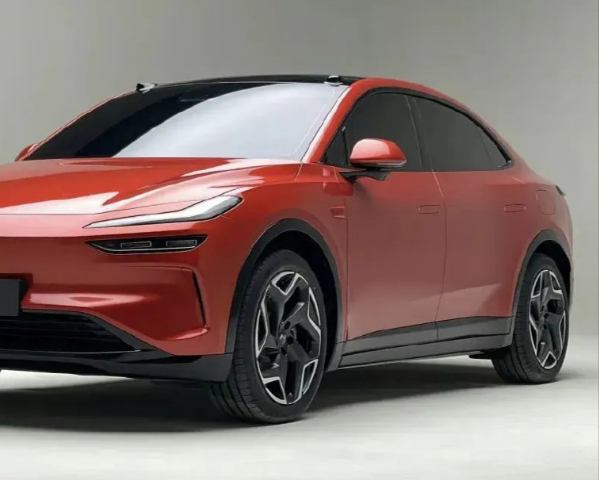
The used electric vehicle market has entered a new phase in 2026. What was once considered a niche alternative for early adopters has become a mainstream automotive segment supported by improving battery technology, expanding charging networks, and growing global demand for affordable electric mobility.
As more first-generation and fleet-operated EVs return to the secondary market, buyers now have access to a wider selection of electric sedans, SUVs, and commercial vehicles at significantly lower prices than new models. However, purchasing a pre-owned EV requires a different evaluation process compared with traditional gasoline vehicles.
A conventional vehicle purchase often focuses on engine condition, mileage, and maintenance records. For electric vehicles, the most important factors include battery performance, charging capability, software history, warranty status, and long-term ownership costs.
Whether you are an individual driver searching for a reliable commuter vehicle or a business evaluating international sourcing opportunities, understanding these factors is essential before making a purchase decision.
Battery Condition Should Be the First Priority
The battery pack is the most valuable and technically important component of any electric vehicle. Unlike internal combustion engines that experience mechanical wear from thousands of moving parts, EV batteries degrade primarily through chemical aging, charging cycles, temperature exposure, and usage patterns.
A vehicle with low mileage does not always guarantee excellent battery condition. Charging habits, climate conditions, and previous ownership behavior can significantly influence battery performance over time.
Before purchasing a used EV, buyers should request a professional battery health diagnostic report to understand the actual condition of the high-voltage battery system. Important information should include remaining capacity, State of Health (SoH), charging history, cell balance, and thermal management performance.
Many modern EV batteries are engineered to maintain strong performance for years, often retaining a high percentage of their original capacity after extensive use. However, verifying battery condition through technical data provides much greater confidence than relying only on vehicle age or mileage.
For commercial buyers and international distributors, battery inspection records also improve transparency during transactions and reduce potential risks associated with large-scale vehicle procurement.
Evaluate Real-World Range and Charging Compatibility
One of the most common mistakes when buying a used electric vehicle is relying only on official range figures. Laboratory testing conditions rarely represent everyday driving situations.
Actual range can be affected by multiple factors, including outside temperature, driving speed, road conditions, passenger load, and climate control usage. In colder regions, battery efficiency can temporarily decrease, while frequent highway driving may increase energy consumption.
Before selecting a specific model, buyers should compare the vehicle’s practical driving range with their daily requirements. A compact EV designed for urban commuting may not be suitable for long-distance transportation or commercial applications.
Charging capability is equally important. Buyers should check the vehicle’s onboard charger specifications, DC fast-charging speed, connector type, and compatibility with local charging infrastructure.
For companies exploring electric vehicle export opportunities, charging standards and regional regulations must be carefully reviewed. A vehicle that performs well in one market may require additional preparation before entering another country.
Review Software, Connectivity, and Digital Ownership
Electric vehicles are becoming increasingly defined by software rather than traditional mechanical systems. Modern EV platforms rely on digital technologies to control battery management, navigation, driver assistance systems, and vehicle performance optimization.
When purchasing a secondhand EV, buyers should confirm that the previous owner’s digital account has been removed and that ownership transfer procedures have been completed correctly.
Software updates can improve vehicle efficiency, add new functions, and enhance safety features. However, some premium services or connected features may depend on subscriptions, regional availability, or account settings.
This is especially important for imported vehicles. Buyers should verify language settings, mobile applications, connectivity services, and software compatibility before completing a transaction.
A well-maintained EV with updated software can continue improving throughout its lifecycle, making digital history an important part of the overall vehicle evaluation process.
Consider Depreciation and Long-Term Ownership Costs
One of the biggest advantages of purchasing a used EV in 2026 is access to advanced technology at a lower entry price. Like many technology-driven products, electric vehicles typically experience significant depreciation during their early years.
For buyers, this creates an opportunity to acquire vehicles with modern battery systems, intelligent features, and premium equipment without paying the original new-car price.
However, purchase price alone should not determine value. A complete financial evaluation should include energy costs, maintenance expenses, battery lifespan, insurance, depreciation rate, and future resale potential.
This is why professional buyers often analyze total cost of ownership (TCO) when comparing electric vehicles. TCO provides a clearer understanding of the vehicle’s actual financial impact throughout its operational life.
Compared with gasoline vehicles, EVs generally benefit from fewer moving parts, lower routine maintenance requirements, and reduced energy costs. Regenerative braking systems also help minimize brake component wear, creating additional savings over time.
Understanding Market Trends and Vehicle Sources
The global expansion of electric mobility has created new opportunities for buyers looking beyond traditional automotive markets. China, in particular, has become one of the world’s largest EV production centers, offering a wide range of models equipped with advanced battery systems and smart vehicle technologies.
The growth of Chinese EV market trends has attracted attention from international dealerships, fleet operators, and automotive exporters seeking competitive inventory options.
Brands such as BYD have gained global recognition due to their battery technology, manufacturing scale, and product diversity. For buyers researching BYD used cars, evaluating factors such as battery condition, service records, export documentation, and regional compatibility remains essential.
Professional sourcing channels can provide additional confidence by offering verified inspections, transparent vehicle histories, and standardized export procedures.
Why Professional Inspection Matters Before Purchase
As the used EV market continues to expand, vehicle inspection has become a critical step for both individual buyers and commercial operators.
A comprehensive EV inspection should include:
- Battery performance testing
- Charging system verification
- Electronic diagnostics
- Accident and repair history checks
- Software status confirmation
- Warranty verification
Unlike traditional vehicles, many EV problems cannot be identified through visual inspection alone. Specialized diagnostic equipment and technical knowledge are required to evaluate battery systems and electronic components accurately.
For businesses purchasing multiple vehicles, a standardized inspection process can improve fleet reliability and reduce unexpected maintenance expenses.
Making a Smarter Used EV Purchase Decision in 2026
Buying a used electric vehicle today is no longer simply about finding a cheaper alternative to a new car. It is about selecting a technology platform that can provide reliable performance, lower operating costs, and long-term value.
The most successful buyers focus on verified information rather than appearance alone. Battery health records, charging compatibility, software history, warranty coverage, and ownership costs all contribute to a complete evaluation.
As the EV market continues to mature, transparency and technical verification will become increasingly important. Buyers who understand these factors will be better positioned to choose reliable electric vehicles that deliver strong performance for years to come.