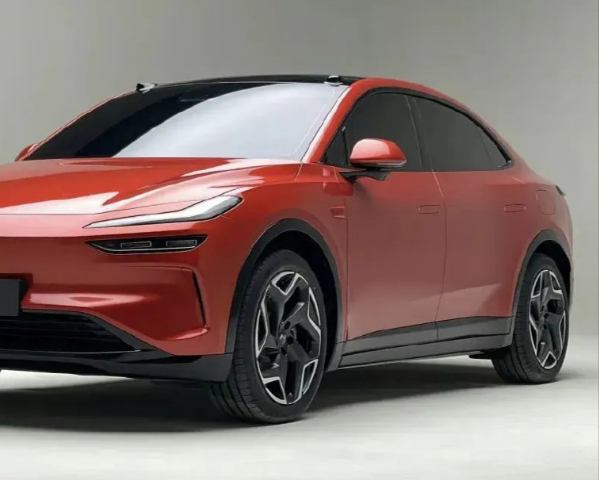
The global market for pre-owned electric vehicles has entered a new stage of maturity. As battery technology improves and electric vehicle adoption accelerates worldwide, dealerships, fleet operators, automotive importers, and vehicle brokers are increasingly turning to the secondary EV market to expand inventory while controlling procurement costs.
However, sourcing used EVs requires a fundamentally different purchasing strategy than buying conventional internal combustion engine (ICE) vehicles. Mechanical inspections remain important, but battery diagnostics, software status, charging compatibility, and digital documentation have become equally critical factors in determining a vehicle’s long-term value.
For professional buyers, successful procurement depends on making data-driven decisions rather than relying solely on mileage or cosmetic condition. This guide outlines the key considerations every B2B buyer should evaluate before investing in used electric vehicle inventory.
Battery Health Is the Most Valuable Asset
Unlike traditional vehicles, the battery pack represents the largest percentage of an EV’s total value.
For this reason, every procurement decision should begin with a comprehensive battery State of Health (SoH) assessment.
A professional battery diagnostic report should include:
- State of Health (SoH)
- Battery capacity retention
- Charging cycle count
- Fast-charging frequency
- Battery temperature history
- Battery Management System (BMS) diagnostics
- Remaining warranty information
These reports provide objective evidence of battery condition and significantly reduce uncertainty during wholesale transactions.
Without verified battery diagnostics, estimating the future operating performance of a used EV becomes considerably more difficult.
Why Battery Diagnostics Matter in B2B Transactions
Wholesale transactions involve greater financial risk than individual retail purchases.
A battery with hidden degradation may result in:
- Customer disputes
- Warranty claims
- Reduced resale value
- Lower driving range
- Inventory delays
- Unexpected refurbishment costs
Third-party battery inspections help both buyers and sellers establish transparent expectations before completing a transaction.
For many professional dealers, verified battery reports have become as important as vehicle registration documents.
Evaluate More Than Vehicle Mileage
Mileage alone no longer tells the complete story.
Two vehicles with identical mileage may have dramatically different battery conditions depending on:
- Charging habits
- Climate exposure
- Fleet utilization
- Maintenance quality
- Driving patterns
Professional procurement teams increasingly prioritize verified battery performance over odometer readings.
This data-driven approach leads to more predictable resale values and improved customer satisfaction.
Verify Charging Compatibility Before Purchasing
Charging capability directly affects market demand.
Before acquiring inventory, confirm that every vehicle supports charging standards commonly used in your target market.
Important considerations include:
- DC fast charging compatibility
- AC charging specifications
- Connector type
- Regional charging standards
- Maximum charging power
- Future charging network compatibility
Vehicles supporting modern charging infrastructure generally retain stronger resale value and attract a broader customer base.
Confirm Software Ownership and Digital Services
Today’s electric vehicles function increasingly as connected digital platforms.
Before purchasing inventory, verify that:
- Previous owner accounts have been removed
- Cloud services can be transferred
- Mobile app access is available
- Remote functions operate normally
- OTA (Over-the-Air) updates remain supported
Incomplete ownership transfers can delay resale and negatively impact customer experience.
Professional suppliers should always complete digital ownership transfer before vehicle delivery.
Assess Long-Term Manufacturer Support
Residual value depends not only on vehicle condition but also on ongoing manufacturer support.
Before adding a model to inventory, evaluate:
- Software update availability
- Parts supply
- Service network coverage
- Battery warranty policies
- Technical documentation
- Recall history
Manufacturers with strong after-sales support generally maintain better resale values over time.
Build a Balanced Inventory Strategy
Successful dealerships avoid concentrating inventory within a single model or price category.
A diversified inventory typically includes vehicles with different:
- Battery capacities
- Driving ranges
- Body styles
- Price points
- Production years
- Brand positioning
This balanced approach reduces exposure to changing market conditions while expanding customer choice.
It also allows dealerships to serve both budget-conscious buyers and premium EV customers.
Improve Procurement Efficiency Through Digital Sourcing
The used EV market moves quickly.
Professional buyers increasingly rely on digital procurement tools that provide access to:
- Wholesale auctions
- Fleet disposal programs
- Lease return inventories
- Certified dealer networks
- Export inventories
- Real-time pricing information
Automated sourcing platforms help buyers identify attractive inventory before vehicles become widely available.
Early access often results in better purchase pricing and improved inventory turnover.
Partner With Reliable Supply Sources
Selecting the right sourcing partner can significantly reduce procurement risk.
Professional suppliers should provide:
- Verified inspection reports
- Battery diagnostics
- Vehicle history documentation
- Export documentation
- Reconditioning records
- Transparent pricing
Working with trusted sourcing partners also reduces administrative complexity while improving inventory consistency.
For international buyers, reliable exporters can simplify customs documentation, logistics coordination, and vehicle compliance.
Understand Market Volatility
The value of used electric vehicles is influenced by multiple external factors.
These include:
- Government incentives
- New EV pricing
- Battery technology improvements
- Interest rates
- Fuel prices
- Charging infrastructure expansion
Professional buyers should continuously monitor these variables when planning procurement strategies.
Maintaining inventory flexibility helps reduce exposure to sudden market changes.
Educate Your Sales Team
A knowledgeable sales team plays an important role in maximizing inventory value.
Sales professionals should understand:
- Battery health reports
- Charging technology
- Vehicle software features
- Total Cost of Ownership (TCO)
- Maintenance advantages
- Environmental benefits
Well-informed staff can better explain the long-term value of used EVs, improving customer confidence and shortening sales cycles.
Sustainability Creates Additional Business Value
Purchasing used electric vehicles supports the growing circular economy.
Extending vehicle lifecycles helps reduce:
- Manufacturing emissions
- Raw material consumption
- Battery production demand
- Overall environmental impact
Many corporate buyers now include sustainability objectives within procurement policies, making certified used EVs increasingly attractive for fleet expansion.
Strong ESG performance can also improve corporate reputation while supporting regulatory compliance.
Looking Ahead: The Future of B2B Used EV Procurement
The secondary EV market is expected to continue expanding throughout 2026 and beyond.
Several industry developments will strengthen buyer confidence:
- Better battery diagnostics
- Standardized inspection reports
- Longer battery warranties
- Improved charging infrastructure
- Greater software transparency
- More certified pre-owned programs
These improvements are transforming used EV procurement into a more predictable, data-driven business process.
Companies that adopt structured sourcing standards today will be better positioned to capitalize on future market growth.
Data-Driven Procurement Creates Long-Term Competitive Advantage
The era of purchasing used vehicles based primarily on mileage and appearance has ended.
Today’s successful B2B buyers rely on verified battery diagnostics, digital ownership verification, charging compatibility, and comprehensive vehicle documentation to make informed purchasing decisions.
By combining transparent inspection standards with strategic sourcing partnerships, dealerships, fleet managers, importers, and automotive distributors can build high-quality inventory while reducing operational risk.
As electric mobility continues expanding worldwide, organizations that embrace data-driven procurement will strengthen customer confidence, improve profitability, and establish lasting competitive advantages in the rapidly evolving pre-owned electric vehicle market.