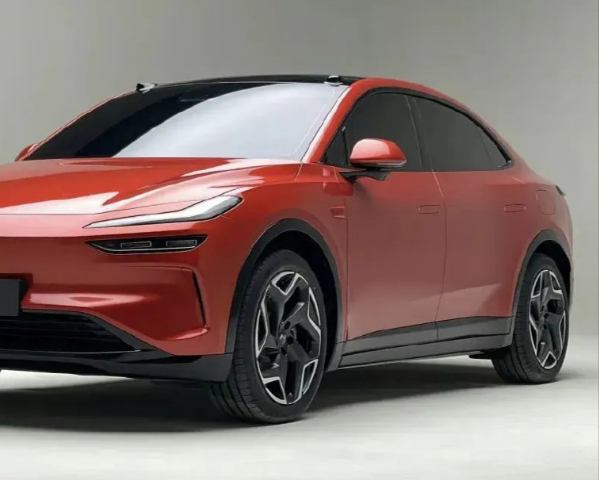
The global electric vehicle (EV) market continues to mature in 2026, creating new opportunities for both individual buyers and commercial fleet operators. While new EV sales remain strong, one of the fastest-growing segments is the pre-owned electric vehicle market. Improved battery technology, expanding public charging networks, and greater transparency in vehicle diagnostics have significantly increased buyer confidence.
Unlike several years ago, purchasing a used EV is no longer viewed as a compromise. Instead, it has become a practical strategy for accessing advanced electric mobility at a substantially lower cost. For businesses managing fleet acquisitions or consumers seeking long-term value, today’s secondary EV market offers an attractive balance between performance, technology, and affordability.
Understanding the latest market trends can help buyers maximize their investment while avoiding unnecessary risks.
Why the Used EV Market Is Growing Faster Than Ever
The rapid expansion of new EV production over the past several years has naturally increased the supply of high-quality used electric vehicles entering the market.
Many vehicles returning from:
- Lease programs
- Corporate fleet renewals
- Subscription services
- Manufacturer buyback programs
are only two to four years old and remain equipped with modern battery technology, advanced driver assistance systems, and current software platforms.
This growing inventory has created an increasingly competitive marketplace where buyers can access premium electric vehicles at significantly reduced prices.
For many purchasers, a well-maintained used EV now delivers nearly all the benefits of a new model while dramatically lowering the initial investment.
EV Depreciation Has Become More Predictable
Early electric vehicles experienced relatively rapid depreciation due to concerns surrounding battery degradation and rapidly evolving technology.
The market has changed considerably.
Modern electric vehicles now benefit from:
- Improved battery chemistry
- Advanced thermal management
- More sophisticated Battery Management Systems (BMS)
- Longer manufacturer warranties
- Better software support
- Increased consumer confidence
As a result, depreciation has become more stable.
Many three- to five-year-old EVs retain strong resale value while still offering years of reliable operation.
This stability makes today’s used EV market particularly attractive for value-focused buyers.
Battery Health Is Now Easier to Evaluate
One of the biggest reasons buyers previously avoided used EVs was uncertainty surrounding battery condition.
Today, battery diagnostics have become far more transparent.
Before purchasing any pre-owned electric vehicle, buyers should request a comprehensive battery report that includes:
- State of Health (SoH)
- Remaining battery capacity
- Charging history
- Battery Management System (BMS) records
- Warranty status
- Service history
A healthy battery remains the single most important factor affecting long-term ownership costs.
Rather than focusing only on vehicle mileage, experienced buyers now prioritize verified battery performance.
High-Quality Used EVs Offer Outstanding Value
The latest generation of used electric vehicles often includes technologies that were unavailable only a few years ago.
Many recently returned lease vehicles feature:
- Long driving range
- Fast DC charging
- Advanced safety systems
- Adaptive cruise control
- Lane keeping assistance
- OTA (Over-the-Air) software updates
- Digital cockpit technology
Purchasing these vehicles through reputable suppliers allows buyers to enjoy modern driving technology without paying new-car prices.
For fleet operators, this can significantly reduce total acquisition costs while maintaining operational efficiency.
How to Evaluate a Used Electric Vehicle
Although traditional vehicle inspections remain important, EV buyers should focus on several additional technical areas.
Verify Battery Performance
Always request a documented battery health report.
Battery degradation varies depending on:
- Charging habits
- Climate
- Vehicle usage
- Maintenance history
A certified battery inspection provides greater confidence than mileage alone.
Confirm Charging Capability
Charging performance directly affects daily usability.
During inspection, verify that the vehicle supports:
- DC fast charging
- AC home charging
- Regional charging standards
- Stable charging speeds
Unexpectedly slow charging may indicate battery management or charging system issues that require further investigation.
Review Software Updates
Modern EVs increasingly function as software-defined vehicles.
Check whether the vehicle has received:
- Current operating software
- Infotainment updates
- Battery optimization updates
- Safety system improvements
Manufacturers frequently improve efficiency, charging performance, and driving experience through software updates.
Vehicles with complete software maintenance histories generally provide better long-term ownership experiences.
Examine Service and Maintenance Records
Unlike conventional vehicles, electric vehicles require less mechanical maintenance but still benefit from documented service history.
Review records covering:
- Battery inspections
- Cooling system maintenance
- Brake servicing
- Suspension condition
- Tire replacement
- Manufacturer recalls
Comprehensive documentation demonstrates responsible ownership and reduces future uncertainty.
Charging Infrastructure Continues to Improve
Another factor supporting used EV demand is the continued expansion of charging infrastructure worldwide.
Public charging networks now offer:
- Higher charging speeds
- Better geographic coverage
- Improved reliability
- More payment options
- Enhanced navigation integration
For many buyers, charging convenience has become significantly less of a concern than it was several years ago.
Improved infrastructure makes owning a used EV practical for both urban commuters and commercial fleets.
Sustainability Adds Long-Term Value
Purchasing a used electric vehicle delivers environmental benefits beyond reducing fuel consumption.
Extending the service life of existing vehicles helps reduce:
- Manufacturing emissions
- Raw material consumption
- Battery production demand
- Vehicle lifecycle carbon footprint
Rather than replacing vehicles prematurely, buyers maximize the value of resources already invested in manufacturing.
This circular approach aligns with growing sustainability initiatives adopted by businesses and governments worldwide.
Why Fleet Operators Are Turning to Used EVs
Commercial buyers increasingly recognize the economic advantages of certified used electric vehicles.
Fleet managers benefit from:
- Lower acquisition costs
- Predictable maintenance expenses
- Reduced operating costs
- Lower energy consumption
- Improved ESG performance
- Faster fleet electrification
As battery reliability improves, used EVs are becoming viable options for delivery services, municipal fleets, corporate transportation, and mobility providers.
Lower purchase prices also improve return on investment while allowing organizations to expand electric fleets more rapidly.
The Outlook for the Used EV Market in 2026
Industry analysts expect continued growth throughout the remainder of 2026 as additional lease vehicles enter the secondary market.
Several trends are likely to support continued demand:
- Greater battery transparency
- Improved charging infrastructure
- Longer battery warranties
- Expanding certified pre-owned programs
- Better vehicle diagnostics
- Increasing consumer familiarity with EV ownership
These developments continue reducing many of the concerns that previously discouraged buyers from considering used electric vehicles.
A Smarter Way to Enter Electric Mobility
The used EV market has evolved into one of the most compelling opportunities in today’s automotive industry.
With improved battery durability, advanced onboard technology, expanding charging infrastructure, and greater diagnostic transparency, modern pre-owned electric vehicles offer exceptional value without sacrificing performance or reliability.
Whether purchasing a single vehicle or expanding an electric fleet, buyers who prioritize verified battery health, documented maintenance records, and reputable suppliers can confidently reduce ownership costs while enjoying the benefits of electric mobility.
As global transportation continues shifting toward electrification, certified used EVs will play an increasingly important role in making sustainable driving accessible to a broader range of consumers and businesses.