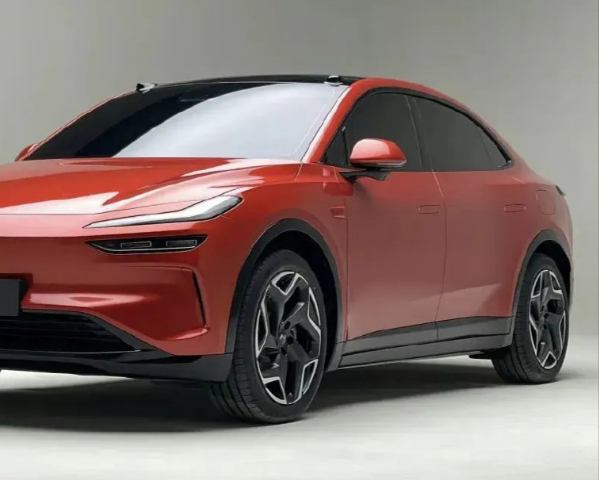
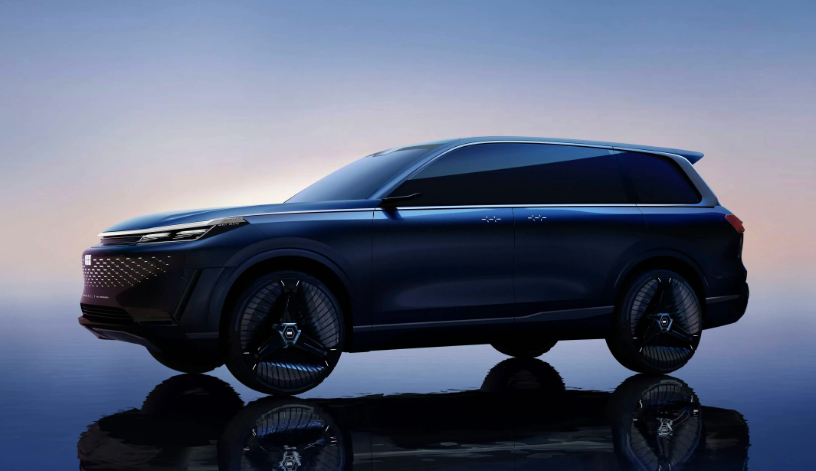
By mid-2026, the global electric vehicle market has clearly entered a new phase of maturity. The early narrative—dominated almost entirely by price competition—is fading fast. In its place, a more sophisticated decision-making framework is emerging among international dealerships, fleet operators, and automotive wholesalers. Today, the question is no longer “How cheap is this EV?” but rather “How advanced, reliable, and future-ready is this platform?”
This transition reflects a broader structural change in the industry: Chinese electric vehicles are no longer positioned as budget alternatives, but as technology-driven mobility systems competing on a global stage.
From Price Sensitivity to Technology Leadership
For much of the last decade, affordability was the primary reason international buyers turned to Chinese EVs. However, that advantage has now been complemented—and in many cases overtaken—by technological competitiveness.
Leading manufacturers such as BYD, NIO, and Xiaomi are shaping a new category of intelligent vehicles built around advanced computing systems, high-voltage charging architectures, and continuously evolving software ecosystems. Features like 800V fast-charging platforms, AI-assisted driving systems, and integrated digital cockpits are now standard expectations in higher-tier models.
For professional buyers, this means the vehicles entering their inventory are no longer static products. They are evolving digital assets capable of receiving updates that improve performance, efficiency, and user experience over time.
Technology as a Driver of Residual Value
One of the most important outcomes of this shift is the impact on resale performance.
Dealerships that emphasize technological capability—rather than just price positioning—are seeing stronger customer engagement and higher long-term retention rates. Buyers are increasingly willing to pay more for vehicles that offer advanced driver assistance systems, intelligent energy management, and seamless digital connectivity.
In this context, understanding EV technology trends has become a core competency for successful importers. It is no longer sufficient to list specifications; dealers must be able to communicate how software-defined features and hardware innovations translate into everyday value for end users.
This shift is particularly evident in urban mobility markets, where consumers expect seamless integration between vehicle, smartphone, and cloud-based services.
Software-Defined Vehicles Change the Competitive Landscape
Unlike traditional combustion vehicles, modern electric vehicles are heavily defined by software. Over-the-air updates, predictive maintenance systems, and AI-powered driving assistance are now central to the ownership experience.
This means that two vehicles with identical hardware can deliver significantly different user experiences depending on software configuration and update history.
For importers and fleet operators, evaluating software-defined vehicles has become just as important as assessing mechanical condition or battery health. Vehicles with strong software ecosystems tend to maintain higher customer satisfaction and stronger long-term value.
Brands that invest heavily in software development are therefore gaining a structural advantage in both new and used EV markets.
Global Expansion Strengthens Supply Chain Confidence
Another key factor supporting this technological shift is the increasing maturity of the global export infrastructure.
As Chinese EV manufacturers expand internationally, they are investing heavily in logistics networks, spare parts distribution, and technical support systems. This includes improved access to diagnostic tools, standardized repair procedures, and expanded training programs for overseas service partners.
For international buyers, this creates a more stable operating environment. A growing global EV supply chain means reduced downtime, better access to replacement components, and improved confidence in long-term fleet maintenance.
As a result, professional buyers are now able to manage larger fleets with significantly lower operational risk than in previous years.
The Rise of Quality-Driven Procurement Strategies
In this new environment, procurement strategies are shifting from cost minimization to value optimization.
Dealers are increasingly selecting inventory based on technological differentiation, feature depth, and long-term usability rather than simply initial purchase price. Vehicles equipped with advanced driver assistance systems, high-efficiency powertrains, and intelligent cockpit interfaces are performing particularly well in resale markets.
This approach allows businesses to position themselves not just as vehicle sellers, but as providers of advanced mobility solutions.
Understanding EV market positioning is therefore becoming essential for building a sustainable dealership model in the global EV economy.
Strategic Insight: Competing on Capability, Not Cost
The most successful importers in 2026 are those who have adapted to this technology-first environment. Instead of competing in low-margin price wars, they focus on educating customers about performance advantages, software capabilities, and long-term operational savings.
This requires a deeper understanding of product differentiation and a stronger focus on inventory curation. Not all EVs deliver equal value in different markets, and selecting the right mix of models is now a strategic decision rather than a purely logistical one.
By aligning procurement decisions with technological trends, businesses can build stronger brands and more resilient revenue streams.
Conclusion: The Future Belongs to Technology-Led EV Markets
The global EV market is no longer defined by affordability alone. It is defined by innovation, software integration, and system-level intelligence.
As Chinese manufacturers continue to lead in key areas such as battery architecture, digital ecosystems, and autonomous driving technologies, international buyers are increasingly recognizing the long-term value of technology-driven vehicles.
For dealerships and fleet operators, success now depends on the ability to identify and leverage advanced EV technology, understand evolving customer expectations, and integrate these insights into procurement strategies.
In this new era, those who prioritize capability over cost will not only remain competitive—they will define the future of the global electric vehicle market.