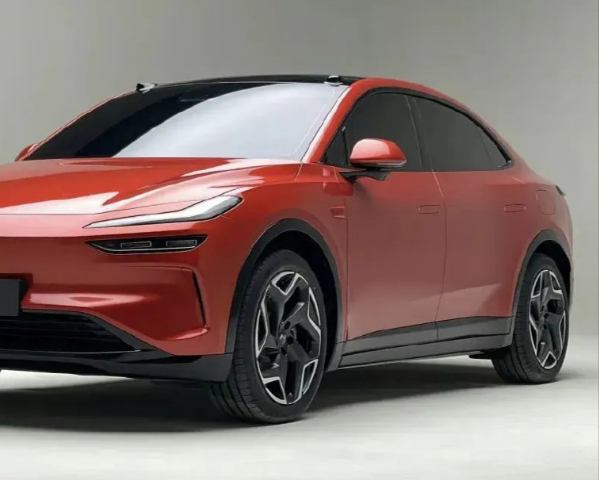
As the global market for used electric vehicles continues to grow in 2026, battery longevity has become one of the most important factors influencing purchasing decisions. For importers, dealerships, and fleet operators, understanding the long-term condition of an EV battery is now just as critical as evaluating mileage or vehicle appearance. Today’s buyers are asking a different question than they did a few years ago. Instead of focusing solely on driving range, they want to know how well the battery will perform over the next five to ten years.
Fortunately, advances in battery technology, thermal management, and intelligent monitoring systems have dramatically improved the lifespan of modern electric vehicles. For businesses sourcing used Chinese EVs, these improvements translate into lower operating costs, stronger resale value, and greater confidence when entering international markets.
Battery Technology Has Advanced Faster Than Many Expected
Early concerns about rapid battery degradation have proven to be less significant than many industry observers predicted. Modern electric vehicles, particularly those produced by leading Chinese manufacturers, benefit from years of continuous battery innovation.
One of the biggest developments has been the widespread adoption of Lithium Iron Phosphate (LFP) batteries. Compared with earlier battery chemistries, LFP technology offers excellent thermal stability, longer charge-cycle life, and lower maintenance requirements. These advantages make it especially attractive for commercial fleets and second-hand vehicle buyers seeking dependable long-term performance.
When properly maintained, many LFP battery packs retain a high percentage of their original capacity even after several years of regular use, making them well suited for international resale.
Why Battery State of Health Matters
For professional buyers, battery capacity is no longer estimated through mileage alone. Instead, procurement decisions increasingly rely on Battery State of Health (SoH), one of the most important indicators of an EV’s remaining service life.
The Battery Management System (BMS) continuously records valuable operating data, including charging history, temperature exposure, energy efficiency, and battery performance over time. Reviewing these records allows buyers to evaluate whether a vehicle has been operated under favorable conditions or subjected to excessive stress.
Vehicles with healthy SoH readings generally deliver more consistent driving range, lower maintenance costs, and stronger resale potential. As a result, professional exporters now include battery diagnostic reports as a standard part of the purchasing process.
Data-Driven Inspections Build Buyer Confidence
The international used EV industry has shifted from appearance-based evaluations to comprehensive technical inspections. Dealers and importers now expect objective performance data before completing large-volume purchases.
A professional EV battery inspection typically includes battery capacity analysis, charging efficiency, thermal management evaluation, voltage consistency between battery modules, and software diagnostics. Together, these reports provide a much clearer picture of vehicle quality than visual inspections alone.
This level of transparency benefits every participant in the supply chain. Buyers reduce operational risk, while sellers increase customer confidence and strengthen their reputation in competitive international markets.
For dealerships, offering independently verified battery reports can also shorten sales cycles by addressing customer concerns before negotiations begin.
Smart Thermal Management Extends Battery Life
Battery longevity depends on more than charging habits alone. Effective thermal management plays a critical role in preserving battery performance over time.
Many of today’s premium Chinese electric vehicles feature advanced liquid-cooling systems that regulate battery temperature during charging, high-speed driving, and extreme weather conditions. Stable operating temperatures help minimize battery degradation while maintaining consistent charging performance.
Vehicles equipped with intelligent energy management systems continue to perform well in both domestic and export markets, making them attractive choices for businesses focused on long-term inventory value.
For buyers evaluating battery health, cooling technology has become an increasingly important consideration alongside charging history and overall vehicle maintenance.
Choosing Vehicles That Hold Their Value
As global EV adoption accelerates, resale performance is becoming a major purchasing criterion for dealerships.
Models equipped with proven battery technology, reliable software platforms, and efficient thermal management generally experience slower depreciation than vehicles using older technologies. Buyers increasingly prefer vehicles supported by established service networks and standardized charging systems, reducing ownership uncertainty after import.
Selecting vehicles with verified battery performance not only protects investment value but also improves customer satisfaction after resale. In today’s competitive marketplace, quality assurance has become a key differentiator.
Investing in Quality Creates Long-Term Business Growth
For companies involved in international EV exports, reputation depends on delivering vehicles that perform as expected long after they reach customers.
Professional sourcing platforms that provide detailed inspections, verified maintenance histories, and transparent battery diagnostics help businesses reduce warranty claims and build stronger relationships with buyers.
As demand for sustainable transportation continues to increase worldwide, investing in battery diagnostic reports, reliable inspection procedures, and high-quality inventory will remain essential for long-term success.
The future of the used EV market belongs to businesses that prioritize transparency, technical verification, and customer confidence. By focusing on battery longevity and data-driven procurement, importers and dealerships can create lasting value while meeting the growing global demand for dependable electric vehicles.