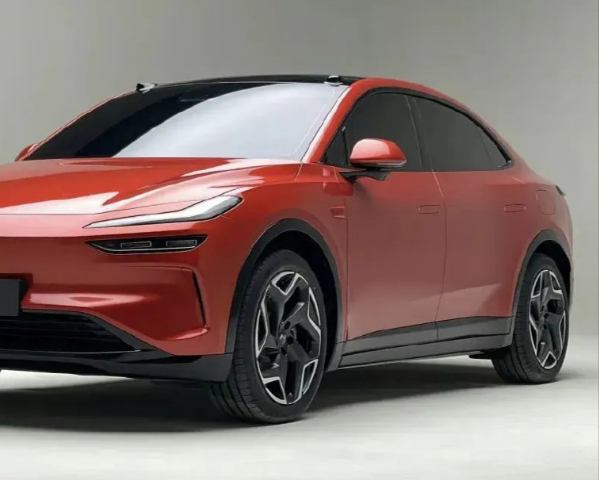
The Global Used EV Market Is Entering a New Growth Phase
The Global Used EV Market is maturing rapidly in 2026. With more countries rolling out electrification incentives and charging networks spreading further, demand for affordable pre-owned electric vehicles is rising across dealerships, fleets, and independent importers.
While new EVs still grab headlines, the secondary market has become a vital channel for accessible green mobility. At the center of this supply shift stands China, thanks to its enormous domestic EV fleet, advanced manufacturing base, and steadily improving export systems.
Why China Dominates the Used EV Supply Chain
China’s leading position in the Used Electric Vehicle Supply Chain comes from deep structural advantages: massive numbers of vehicles coming off lease or trade-in, fast model refresh cycles, tightly integrated supply chains, and better-organized export channels. Buyers now find everything from budget city cars to premium smart EVs in one place, making it easier to match inventory to local market needs.
Battery Technology Drives Market Confidence
Improved battery tech is a major reason international buyers trust Chinese used EVs more than before. Most models feature either LFP or NMC batteries, both of which have become far more predictable. Access to clear Battery State of Health (SOH) data helps importers assess real remaining value instead of guessing based on mileage alone.
Standardization of Inspection Improves Trust
In 2026, vague condition reports are no longer acceptable. EV Inspection Standards have tightened, especially among export-focused suppliers. Professional checks now routinely cover BMS diagnostics, battery health, structural integrity, motor and charging performance, software status, and detailed interior/exterior grading. This consistency makes it much easier for overseas buyers to compare options and reduce surprises.
Export Infrastructure Is Becoming More Mature
The China EV Export Industry has come a long way. Better documentation processes, specialized EV logistics partners, smoother port handling, and stronger coordination between inspectors and exporters have shortened lead times and improved reliability. These upgrades make planning shipments far less stressful than in previous years.
Software and Connectivity Add New Value Dimensions
Today’s used EVs are software-driven machines. Importers now pay close attention to OTA update support, infotainment systems, driver assistance features, mobile app integration, and regional compatibility. Vehicles with strong software ecosystems hold their usefulness much better after crossing borders.
Regional Demand Patterns Are Expanding
Demand is spreading beyond traditional markets. Southeast Asia, the Middle East, Eastern Europe, Latin America, and parts of Africa are all showing growing interest — each with their own priorities around price, range, durability, or fleet efficiency. This variety reinforces why flexible sourcing from China remains so valuable.
Price Is No Longer the Only Competitive Factor
Smart buyers look past the sticker price. They evaluate battery transparency, inspection quality, software readiness, shipping predictability, supplier track record, and total cost of ownership. This more balanced approach reflects a healthier, more mature market.
Challenges Still Exist in the Market
Some issues remain, such as inconsistent inspection quality across smaller suppliers, software localization hurdles, documentation variations, and regulatory differences by country. Working with experienced partners and insisting on solid data helps overcome most of these.
The Role of Data in Future EV Trade
The biggest trend is the growing importance of reliable Electric Vehicle Export Data. Standardized battery reports, digital history records, and diagnostic logs are quickly becoming standard. This move toward transparency is building greater trust throughout the entire supply chain.
What This Means for International Buyers
For importers in 2026, winning strategies include prioritizing vehicles with verifiable Battery State of Health (SOH), choosing suppliers that follow strong EV Inspection Standards, checking software compatibility early, and always calculating full ownership costs. Diversifying across models and building long-term supplier relationships also helps reduce risk.
Conclusion
China remains the core hub in the Global Used EV Market because of its unmatched scale, manufacturing strength, and continuing improvements in the China EV Export Industry. As EV Inspection Standards rise and data becomes more accessible, the Used Electric Vehicle Supply Chain is turning into a more transparent and predictable marketplace.
International buyers who focus on technical details, reliable partners, and total value — rather than just price — are best positioned to succeed. Platforms like UsedEVChina help by combining market insights with actual export-ready inventory in one convenient place.