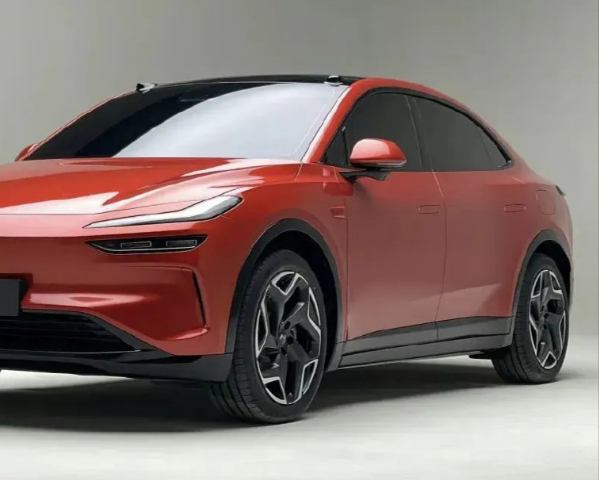
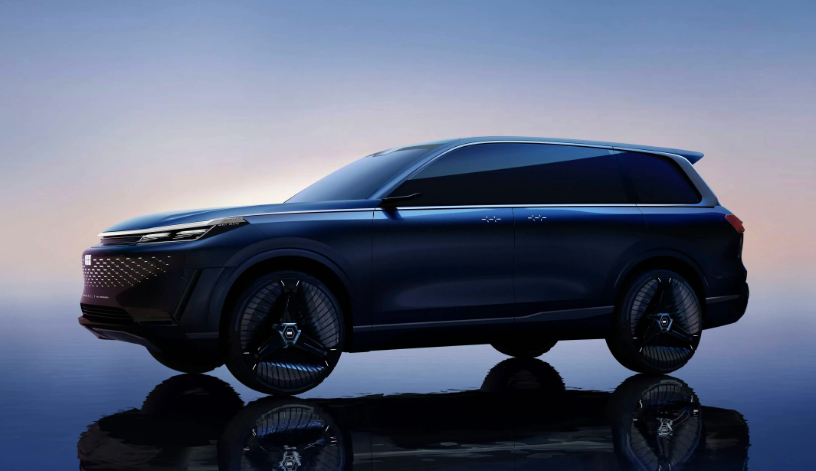
The global automotive industry is undergoing a structural transformation, and China’s electric vehicle (EV) sector is playing a central role. Years of rapid innovation, large-scale manufacturing, and a highly integrated battery supply chain have created an abundant market of high-quality pre-owned EVs that are now attracting buyers worldwide.
For automotive dealerships, fleet operators, and vehicle distributors, importing secondhand Chinese EVs has become more than a cost-saving strategy. It is increasingly viewed as an efficient way to access modern technology, reliable battery systems, and competitive pricing while meeting the growing demand for electric mobility.
Why China Has Become a Major Source of Used EVs
The steady supply of pre-owned electric vehicles from China is supported by several long-term market advantages rather than short-term fluctuations.
Faster Vehicle Replacement Cycles
Chinese consumers typically replace their vehicles more frequently than buyers in many Western markets.
Strong competition among domestic EV manufacturers encourages rapid product upgrades, while leasing companies, corporate fleets, and ride-hailing operators regularly renew their vehicles every two to four years.
As a result, the export market is supplied with relatively young vehicles that often feature:
- Low mileage
- Modern safety technologies
- Advanced infotainment systems
- Healthy battery performance
- Comprehensive maintenance records
For overseas importers, this creates access to late-model inventory at significantly lower acquisition costs.
A Strong Battery Supply Chain
China remains the world’s largest producer of EV batteries, giving domestic manufacturers direct access to advanced battery technologies.
Many exported vehicles are equipped with durable LFP batteries or high-energy NMC batteries, both of which have benefited from continuous improvements in manufacturing quality.
This integrated supply chain helps reduce production costs while maintaining consistent product quality, allowing international buyers to source well-equipped electric vehicles at attractive wholesale prices.
Standardized Vehicle Inspection Before Export
China has also strengthened export regulations for used vehicles.
Before receiving export approval, many vehicles undergo standardized vehicle inspection procedures covering mechanical condition, electrical systems, structural integrity, and safety-related components.
For overseas buyers who cannot inspect vehicles in person, these documented inspections provide additional confidence throughout the procurement process while reducing transaction risks.
Advantages of Secondhand Chinese EVs
| Key Feature | Business Value |
|---|---|
| Smart Infotainment | Modern digital cockpit with continued OTA software updates on many models |
| LFP batteries | Excellent durability, thermal stability, and long service life |
| Competitive Pricing | Lower acquisition cost and stronger profit margins for distributors |
Understanding GB/T Charging Standard Compatibility
One question frequently raised by overseas buyers involves charging compatibility.
Most vehicles produced for the Chinese domestic market use the GB/T charging standard, which differs from charging systems commonly used in Europe and North America.
Fortunately, several practical solutions are available.
For dealerships importing small quantities, certified charging adapters allow GB/T-equipped vehicles to connect safely with local charging infrastructure.
For larger commercial orders, some exporters can complete certified charging port conversions before shipment, allowing vehicles to arrive ready for local operation.
Evaluating charging compatibility before purchase helps reduce post-import modification costs and improves customer satisfaction.
Building a Reliable Procurement Process
Cross-border vehicle sourcing involves much more than purchasing a car.
Successful importers typically establish standardized procurement procedures that include:
- Independent vehicle inspection
- Verified battery health (SOH) reports
- VIN verification
- Export documentation review
- Shipping and customs coordination
Many businesses also prefer working with specialized sourcing platforms that combine inspection services, deregistration procedures, export documentation, and international logistics into a single workflow.
This approach improves purchasing efficiency while reducing communication challenges associated with overseas procurement.
Long-Term Value Depends on Battery Health
One of the strongest advantages of many Chinese electric vehicles is their widespread adoption of LFP batteries.
Compared with earlier battery technologies, LFP chemistry offers several long-term benefits:
- High cycle life
- Excellent thermal stability
- Lower degradation rates
- Strong safety performance
- Reliable operation in high-temperature environments
Many modern LFP battery systems are capable of exceeding 3,000 charge cycles before reaching approximately 80% State of Health (SOH), making them suitable for both private ownership and commercial fleet applications.
For importers, understanding battery chemistry is just as important as evaluating vehicle appearance or mileage when estimating long-term resale value.
Future Outlook for Global Used EV Trade
Demand for secondhand electric vehicles continues to increase as governments encourage low-emission transportation and consumers seek more affordable alternatives to new EVs.
At the same time, improvements in battery durability, standardized inspection procedures, and international logistics have made cross-border sourcing more transparent than ever before.
Businesses that establish reliable sourcing channels today—while prioritizing battery health, verified inspections, software compatibility, and charging standards—will be well positioned to meet growing market demand and build sustainable long-term competitiveness in the global used EV industry.