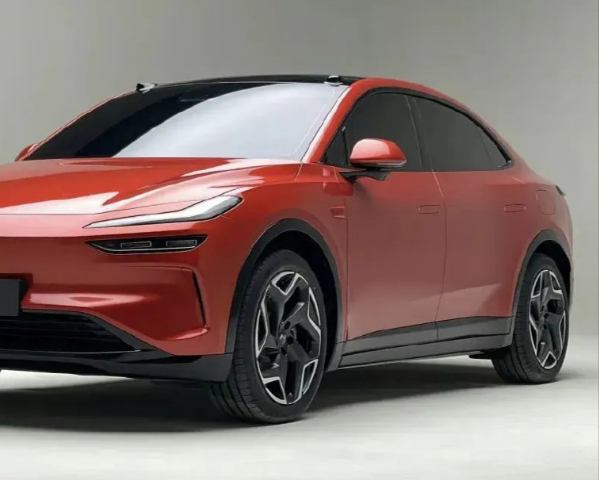
The global market for pre-owned electric vehicles (EVs) has entered a new stage of maturity. Just a few years ago, many buyers questioned whether used EVs could retain their value or deliver reliable long-term performance. Today, with improved battery technology, expanding charging infrastructure, and greater market transparency, those concerns are gradually giving way to confidence.
For automotive dealers, fleet operators, and international vehicle importers, the used EV sector has evolved into a practical business opportunity rather than a speculative investment. Understanding the trends driving this market is essential for making informed purchasing decisions and building sustainable inventory.
A More Stable Residual Value Market
Early generations of electric vehicles often experienced rapid depreciation. Frequent technology upgrades meant that newer models offered longer driving ranges, faster charging speeds, and lower retail prices, making older vehicles lose value quickly.
That trend has begun to stabilize.
Modern EV platforms have reached a level of technological maturity where improvements between model generations are becoming more incremental rather than revolutionary. As a result, depreciation has become more predictable.
Industry transaction data shows that many three-year-old electric vehicles now retain approximately 55%–63% of their original value, depending on brand, battery condition, and regional demand. This improved value retention benefits leasing companies, wholesale distributors, and dealerships by reducing financial uncertainty.
For businesses involved in international vehicle trading, predictable residual values also make inventory planning and pricing strategies much easier.
Why More Buyers Are Choosing Used Electric Vehicles
Several market trends are accelerating demand for pre-owned EVs around the world.
More Affordable Entry Prices
Although new electric vehicles continue to attract attention, their purchase prices remain out of reach for many consumers.
The used market provides access to modern electric mobility at significantly lower prices, allowing more drivers to transition from traditional fuel vehicles without sacrificing technology or driving experience.
For dealerships, this expanding customer base creates new sales opportunities across both developed and emerging markets.
Proven Real-World Reliability
Thousands of electric vehicles that were originally purchased by corporate fleets, leasing companies, and ride-hailing operators are now entering the secondary market.
Unlike early EV generations, these vehicles often come with comprehensive maintenance records and operating histories.
Documented service records help buyers evaluate the actual reliability of a vehicle instead of relying solely on manufacturer specifications.
Expanding Charging Infrastructure
One of the biggest obstacles to EV adoption has always been charging availability.
Today, public charging networks continue to expand across Europe, the Middle East, Southeast Asia, and many developing regions. Faster charging stations and improved route coverage have significantly reduced range anxiety.
This infrastructure growth makes purchasing a used EV much more practical for daily commuting, business fleets, and regional transportation.
Smart Buyers Look Beyond Mileage
Mileage remains useful when evaluating any vehicle, but for electric vehicles it tells only part of the story.
Experienced buyers increasingly focus on technical data rather than simply reading the odometer.
Battery Health (SOH) Matters More Than Mileage
The most important indicator of a used EV’s condition is its battery health (SOH).
A vehicle with relatively high mileage that has been carefully maintained and primarily charged using AC charging may have a healthier battery than a lower-mileage vehicle that relied heavily on frequent DC fast charging.
Whenever possible, buyers should request an independent battery health report generated through professional diagnostic equipment.
Choosing suppliers that provide verified battery certificates significantly reduces purchasing risk during international transactions.
OTA Software Updates and Digital Features
Today’s electric vehicles function as connected digital platforms.
Before purchasing a used EV, buyers should verify whether the vehicle continues receiving OTA software updates, navigation improvements, security patches, and driver assistance enhancements.
A vehicle with ongoing software support typically delivers a better ownership experience and maintains stronger resale value over time.
Advanced Thermal Management Systems
Battery longevity depends heavily on operating temperature.
Many modern EVs utilize sophisticated thermal management systems, including liquid cooling and intelligent heat pump technology, to maintain optimal battery performance throughout different climates.
Vehicles equipped with efficient thermal regulation generally experience slower battery degradation and more consistent charging performance over the long term.
Comparing Used ICE Vehicles and Used EVs
| Inspection Area | Traditional ICE Vehicle | Used Electric Vehicle |
|---|---|---|
| Primary Wear Component | Engine & Transmission | Battery Health (SOH) |
| Software Importance | Limited | OTA Software Updates |
| Brake Maintenance | Frequent Replacement | Lower Wear Through Regenerative Braking |
| Routine Maintenance | Oil, Belts, Spark Plugs | Coolant, Cabin Filter, Software Diagnostics |
This shift in evaluation criteria means buyers must adopt a different inspection process when sourcing electric vehicles.
Government Policies Continue to Support Market Growth
The expansion of the used EV market is also supported by evolving government policies.
Many countries now encourage second-hand electric vehicle ownership through tax incentives, reduced registration fees, or environmental policies promoting zero-emission transportation.
At the same time, increasing restrictions on older gasoline and diesel vehicles in urban areas are encouraging both businesses and private consumers to consider affordable used EVs instead.
International exporters also benefit from improving cross-border logistics, standardized inspection procedures, and more transparent documentation requirements, making overseas procurement increasingly efficient.
Looking Ahead
The global used EV market has entered a period of steady and sustainable growth. Improvements in battery durability, software reliability, charging infrastructure, and market transparency have transformed used electric vehicles into a practical choice for dealerships, fleet operators, and consumers alike.
Success in this market depends on evaluating more than appearance or mileage. Buyers who prioritize battery health, verify OTA software updates, understand thermal management systems, and work with suppliers offering transparent inspection data will be better positioned to reduce procurement risks and maximize long-term value.
As international trade in pre-owned electric vehicles continues to expand throughout 2026 and beyond, businesses that embrace data-driven purchasing strategies will be well prepared to capitalize on one of the fastest-growing sectors in the global automotive industry.