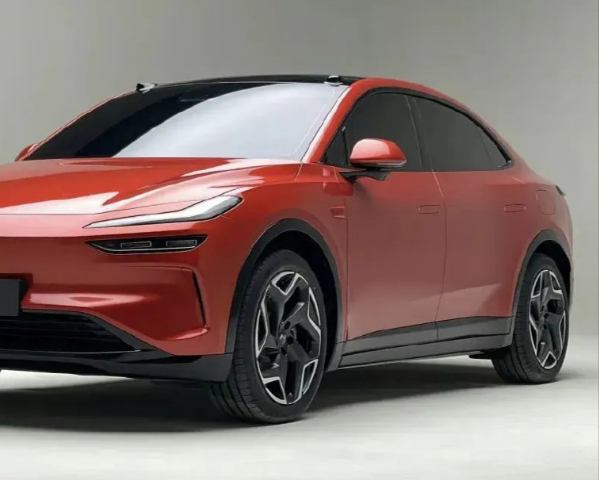
As electric vehicles become a mainstream choice across global markets, the demand for high-quality pre-owned EVs continues to grow. For international dealerships, fleet operators, wholesalers, and private buyers, evaluating a used electric vehicle requires a different approach than inspecting a conventional gasoline-powered car.
Unlike traditional vehicles, where engine condition often determines long-term value, the most important component of an electric vehicle is its high-voltage battery. Understanding battery State of Health (SOH), battery degradation, and diagnostic verification has become an essential part of professional vehicle sourcing.
Why Battery Health Matters More Than Vehicle Mileage
Many first-time EV buyers focus primarily on mileage. However, mileage alone provides only limited insight into the actual condition of an electric vehicle.
A well-maintained battery can continue delivering reliable performance even after years of use, while poor charging habits or unfavorable operating conditions may accelerate degradation regardless of mileage.
When evaluating a used EV, buyers should consider:
- battery State of Health (SOH)
- Battery charging history
- Thermal management performance
- Service records
- Vehicle usage patterns
Together, these factors provide a much clearer picture of the vehicle’s long-term value.
Understanding Battery Degradation
One common misconception is that EV batteries deteriorate as quickly as smartphone batteries. In reality, automotive battery systems are engineered with advanced cooling systems, sophisticated Battery Management Systems (BMS), and protective software designed to maximize service life.
Battery aging generally occurs through two mechanisms.
Calendar Aging
Calendar aging refers to the gradual chemical changes that occur over time, regardless of how frequently the vehicle is driven. Environmental conditions such as prolonged exposure to high temperatures can accelerate this process.
Cycle Aging
Cycle aging results from repeated charging and discharging of the battery. While every battery experiences some capacity loss throughout its lifespan, moderate charging practices and effective thermal management can significantly slow the aging process.
Industry studies indicate that many modern lithium-ion battery packs experience relatively gradual capacity reduction under normal operating conditions, making used electric vehicles increasingly attractive for both commercial and personal use.
Understanding Battery State of Health (SOH)
The most widely accepted measurement of battery condition is battery State of Health (SOH).
SOH compares the battery’s current maximum energy capacity with its original factory specification.
| SOH Level | Typical Battery Condition |
|---|---|
| 90%–100% | Excellent performance with minimal degradation |
| 80%–89% | Good condition suitable for everyday operation |
| 70%–79% | Moderate degradation with reduced driving range |
| Below 70% | Significant capacity loss requiring careful evaluation |
For example, if a battery originally stored 75 kWh but currently stores 67.5 kWh, its SOH is approximately 90%.
Professional buyers increasingly require verified battery diagnostic reports generated directly from the vehicle’s Battery Management System rather than relying solely on dashboard information.
Factors That Influence Long-Term Battery Performance
Battery lifespan varies depending on how a vehicle has been used and maintained.
Climate Conditions
High ambient temperatures can accelerate battery aging by increasing chemical activity inside battery cells.
In contrast, colder climates may temporarily reduce driving range during winter but generally have less impact on long-term battery degradation.
Charging Habits
Charging behavior also affects battery longevity.
Vehicles primarily charged using standard AC charging often experience less thermal stress than those relying heavily on high-power DC fast charging.
Reviewing historical charging records can provide valuable insight into battery condition.
State of Charge Management
Maintaining battery charge between moderate levels helps reduce long-term stress.
Extended periods at extremely high or extremely low charge levels may contribute to accelerated degradation over time.
How Professional Buyers Verify Battery Condition
International buyers rarely have the opportunity to inspect vehicles in person before purchase.
As a result, experienced importers rely on several verification methods before completing a transaction.
Battery Diagnostic Reports
Professional exporters typically retrieve data directly from the Battery Management System.
These reports commonly include:
- battery State of Health (SOH)
- Cell voltage consistency
- Charging cycle history
- Temperature records
- Battery fault codes
Vehicle Inspection Reports
Independent vehicle inspection reports provide valuable information regarding:
- Exterior condition
- Chassis integrity
- Suspension components
- High-voltage system condition
Combining technical inspection reports with battery diagnostics offers a more complete assessment of vehicle quality.
Undercarriage Inspection
Since the battery pack is mounted beneath the vehicle, buyers should request detailed images or videos of the underbody.
Inspecting the protective battery enclosure helps identify possible structural damage caused by impacts, corrosion, or road debris.
Why Transparent Battery Documentation Builds Buyer Confidence
As the global used EV market matures, transparency has become a major competitive advantage.
Professional dealerships increasingly provide:
- Verified battery diagnostic reports
- Independent vehicle inspection reports
- Service history documentation
- Battery maintenance records
Providing this information not only improves purchasing confidence but also strengthens resale value when vehicles enter international markets.
Final Thoughts
Battery technology has become the defining factor in the value of a used electric vehicle. While appearance and mileage remain important, informed buyers now place greater emphasis on measurable technical indicators such as battery State of Health (SOH), verified battery diagnostic reports, and comprehensive vehicle inspection reports.
For dealerships, fleet operators, and international importers, adopting a data-driven sourcing process helps reduce procurement risks, improve inventory quality, and increase customer confidence. As global demand for electric mobility continues to expand, businesses that prioritize transparency and technical verification will be well positioned to compete in the growing used EV market.